Resources
Do we want a photo here?
Be InspiredWe love to read and learn! Over the years, these have been the books and authors that inspired us the most for our core principles (though of course we don't agree with everything any author writes).

Protect the Land
We cherish the rural character and natural beauty of San Jacinto County—from farm and forest, to lake and ravine, to ranch and game. We are starting with a plan to build upon the County’s unique strengths, including the neighboring Sam Houston National Forest, Lake Livingston, and the beautiful rolling topography. Our large holdings mean we can dedicate as much as 60 percent of our acreage for forestry, farming, open plazas and public spaces, and natural conservation.
Arendt, Randall. Rural By Design: Planning for Town and Country. New York: Routledge, 2017.
Byrd Jr., Warren T. and Thomas L. Woltz. Garden Park Community Farm. New York: Princeton Architectural Press, 2013.
Duany, Andres, and DPZ. Garden Cities: Theory and Practice of Agrarian Urbanism. London: The Prince’s Foundation for the Built Environment, 2011.
Gehl, Jan. Life Between Buildings: Using Public Space. Washington, D.C.: Island Press, 2011.
Rein, Richard. American Urbanist: How Holly Whyte’s Unconventional Wisdom Reshaped Public Life. New York: Island Press, 2022.
Whyte, William H. aka ‘Holly’. The Last Landscape. Philadelphia: University of Pennsylvania Press, 2002.
Wohlleben, Peter. The Weather Detective: Rediscovering Nature’s Secret Signs. New York: Penguin Random House, 2012.

Productive Landscapes
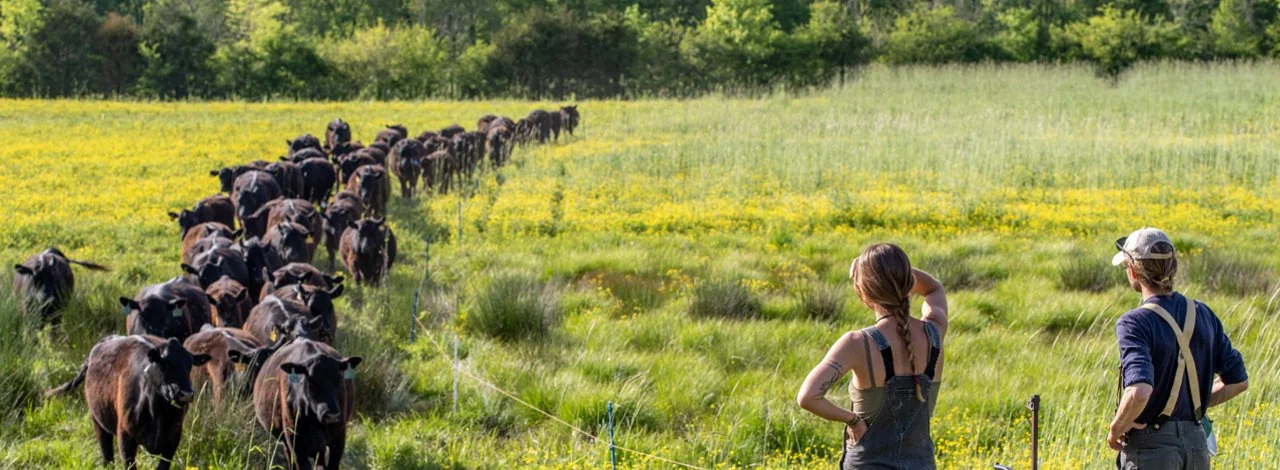
Our roots are in forestry and in long-term thinking. We are committed to the long-term care and improved stewardship of our soils, forests, and open lands. We believe the true value of a region starts with healthy soil, and that our silvicultural and agricultural practices should build the health and resilience of our community.
Ableman, Michael. Street Farm: Growing Food, Jobs, and Hope on the Urban Frontier. White River Junction: Chelsea Green Publishing, 2016.
Brown, Gabe. Dirt to Soil: One Family’s Journey into Regenerative Agriculture. White River Junction: Chelsea Green Publishing, 2018.
Joffe, Daron aka ‘Farmer D’. Citizen Farmers: The Biodynamic Way to Grow Healthy Food, Build Thriving Communities, and Give Back to the Earth. New York: Abrams, 2014.
Shepard, Mark. Restoration Agriculture: Real-World Permaculture for Farmers. Greeley: Acres U.S.A., 2013.

Ecological Stewardship
Healthy and productive farms and forests, resilience, and beauty are all inextricably linked. Our natural systems will form the backbone of our preserved lands, creating a meandering network of tree cover and open space, allowing wildlife to flourish.
Bloch, Sam. Shade: The Promise of a Forgotten Natural Resource. New York: Random House, 2025.
Dramstad, Wenche E. and James D. Olson, Richard T. T. Forman. Landscape Ecology Principles in Landscape Architecture and Land-Use Planning. Washington, DC: Harvard University Graduate School of Design, 1996.
Forman, Richard T.T. Towns, Ecology, and the Land. New York: University Printing House, 2019.
Speck, Jeff, and Andres Duany, Mike Lydon. The Smart Growth Manual. New York: McGraw-Hill, 2010.

Our Long-Term Vision
We’re committed to making San Jacinto Ranch the best place it can be. We’re patient, we’re going to be here for a long, long time, and we move carefully to try to minimize mistakes.
Alexander, Christopher et al. A Pattern Language: Towns, Buildings, Construction. New York: Oxford University Press, 1977.
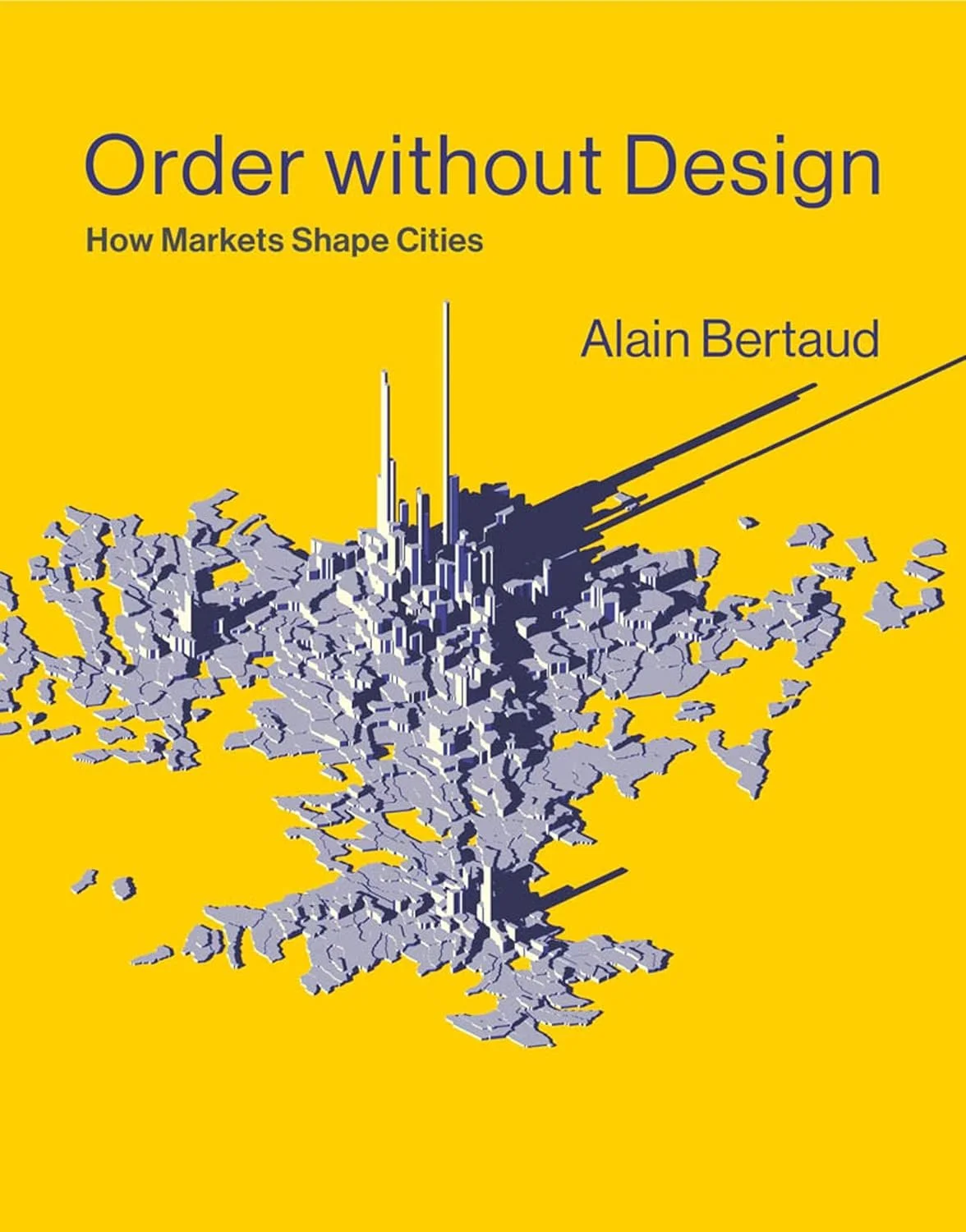
Bertraud, Alain. Order Without Design: How Markets Shape Cities. Cambridge: The MIT Press, 2024.
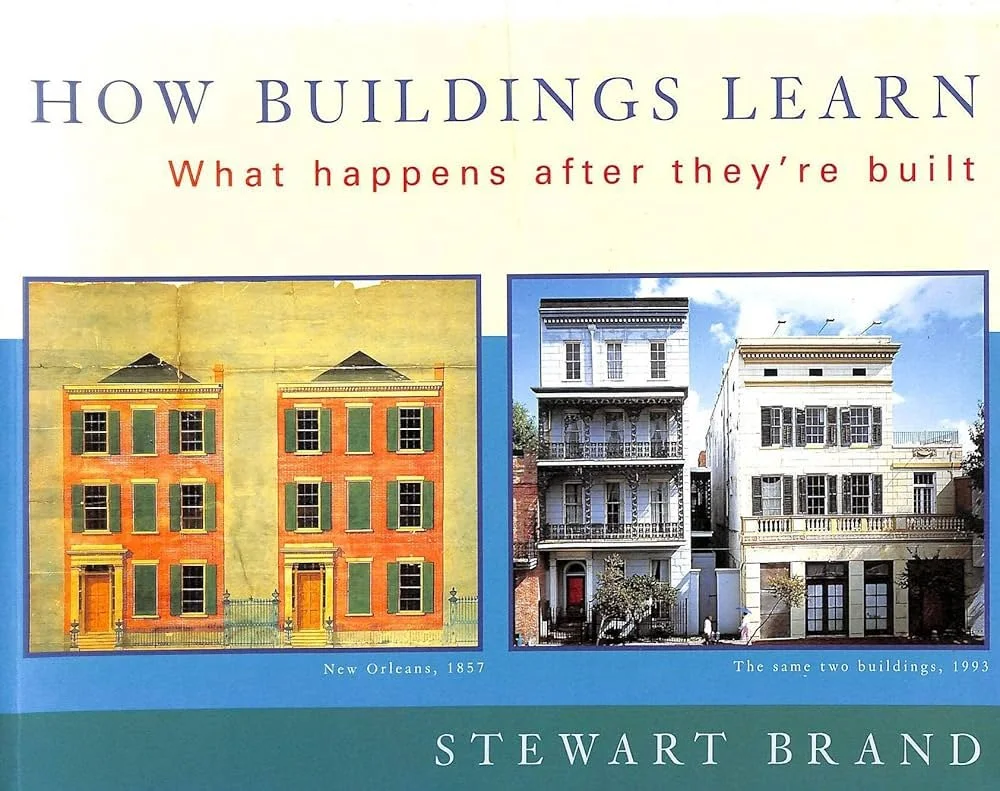
Brand, Stewart. How Buildings Learn: What Happens After They’re Built. New York: Penguin Books, 1995.
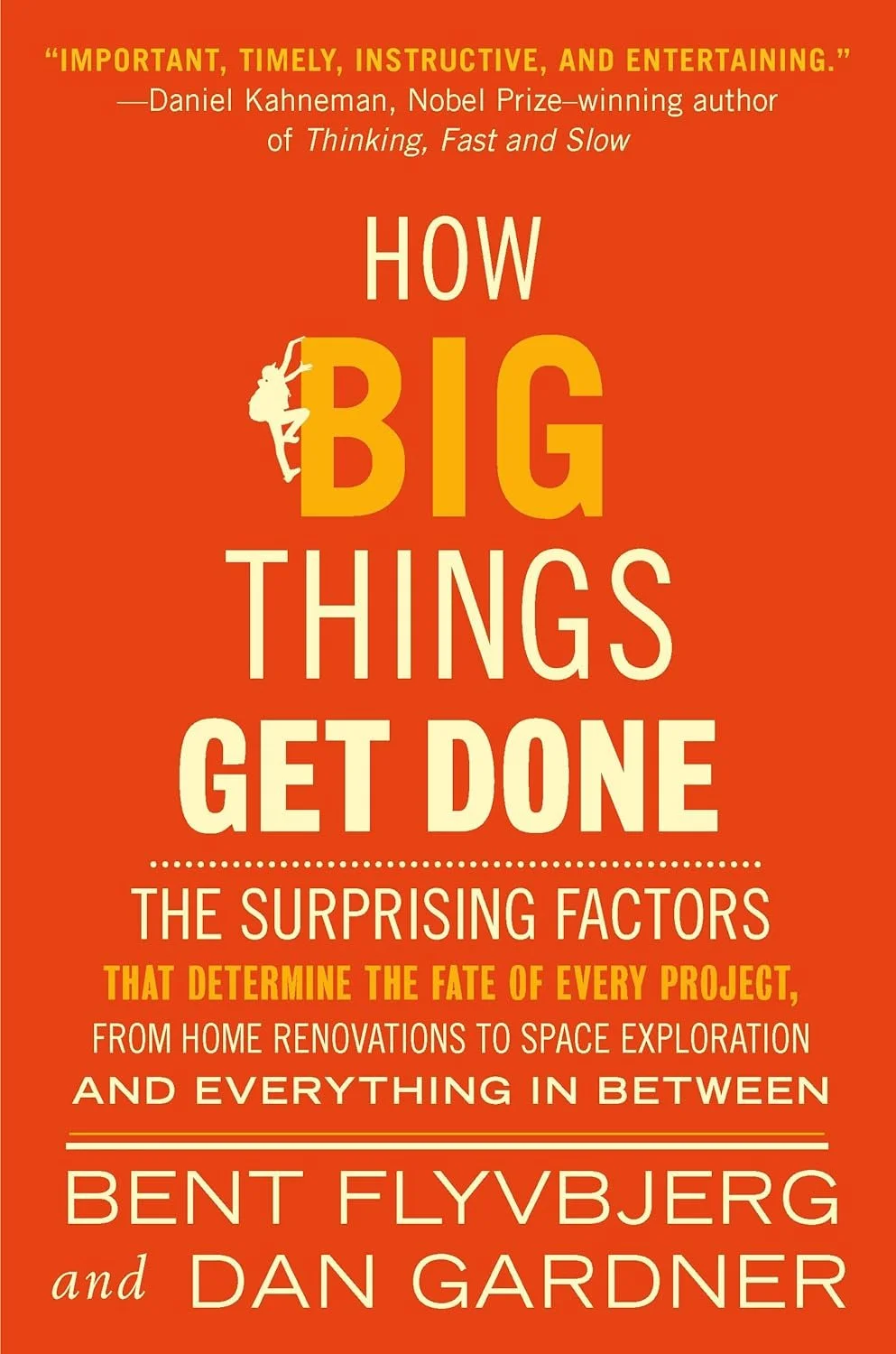
Flyvbjerg, Bent, and Dan Gardner. How Big Things Get Done: The Surprising Factors that Determine the Fate of Every Project from Home Renovations to Space Exploration and Everything in Between. New York: Random House, 2023.
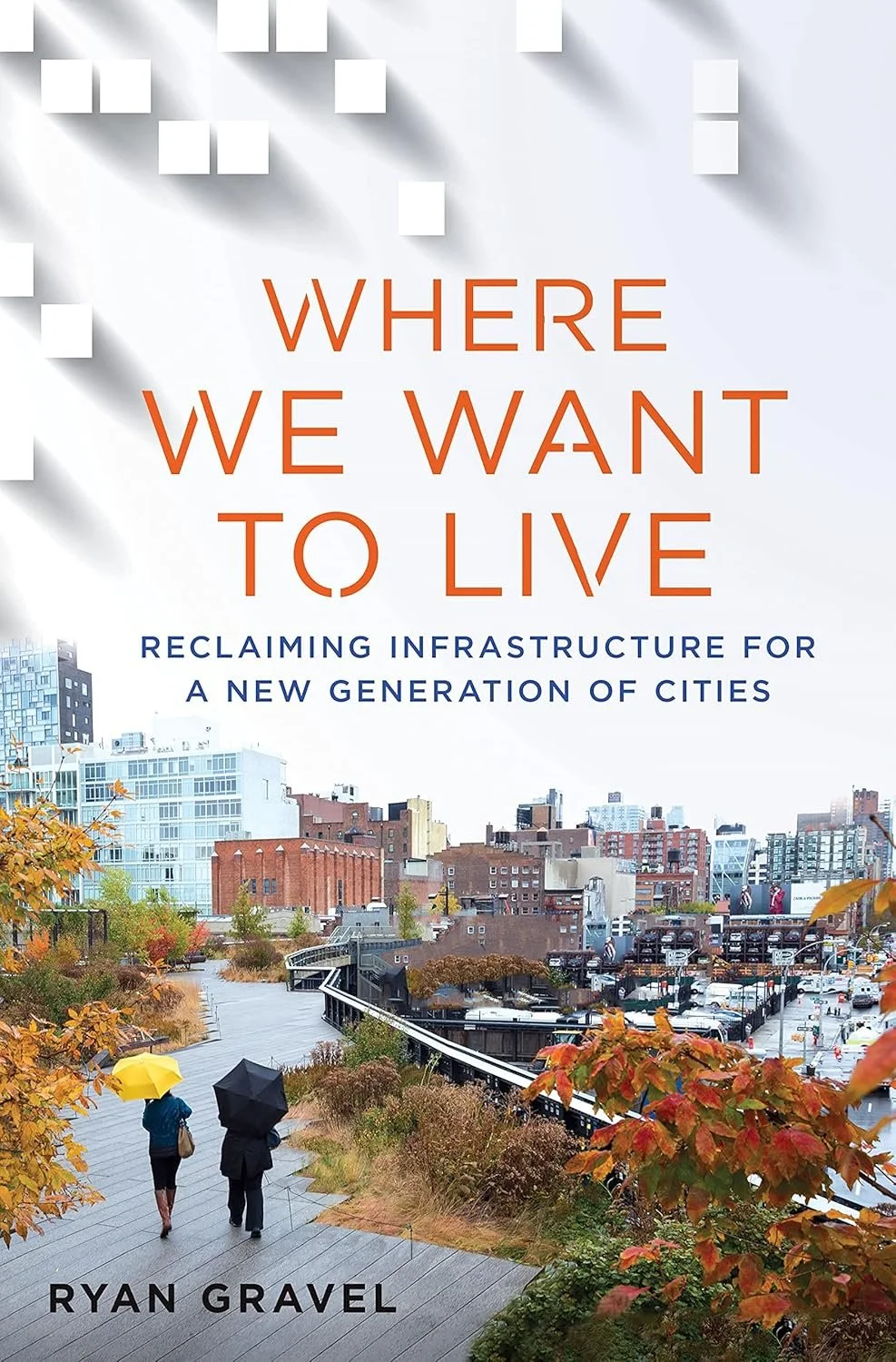
Gravel, Ryan. Where We Want to Live: Reclaiming Infrastructure for a New Generation of Cities. New York: St. Martin’s Press, 2016.
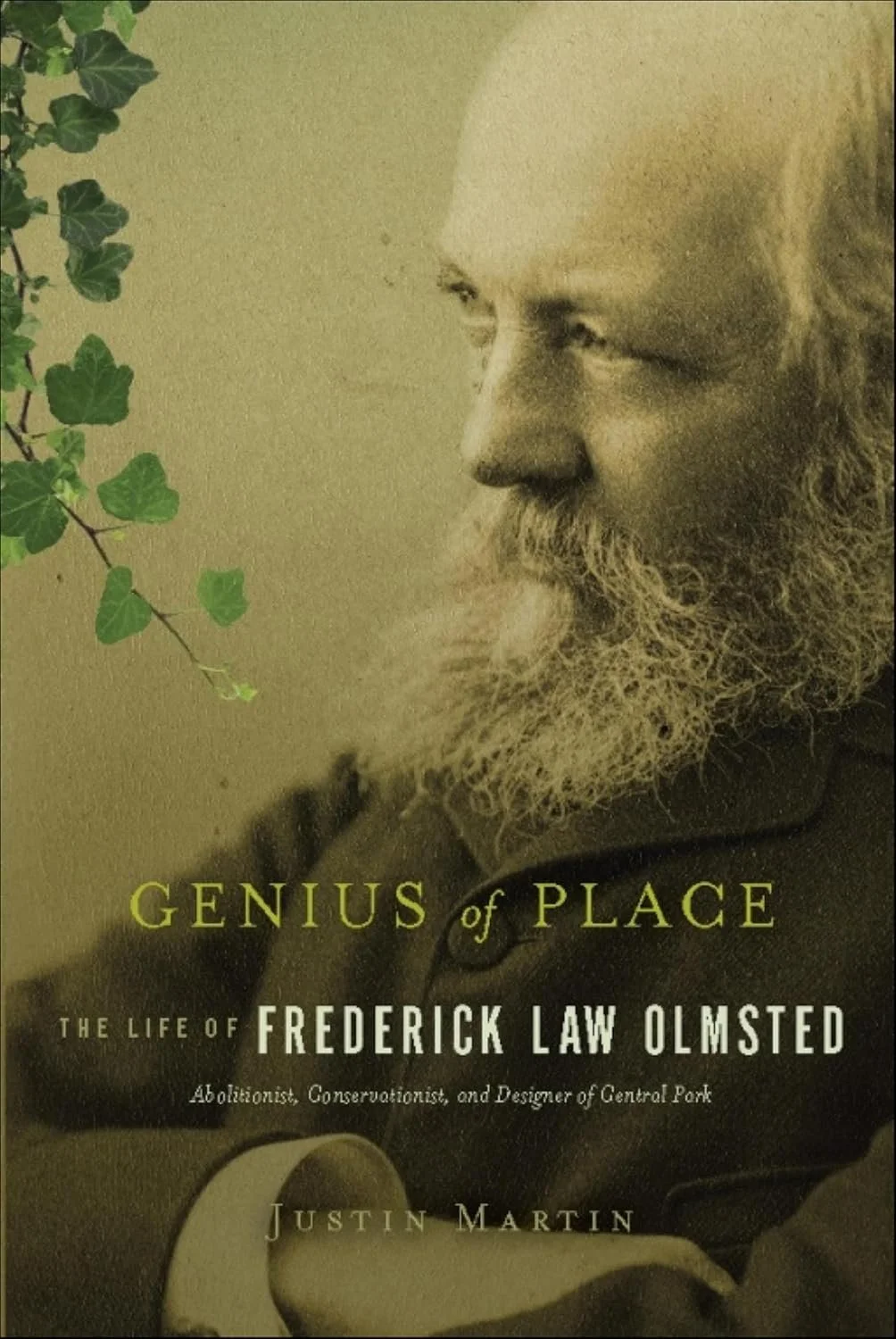
Martin, Justin. Genius of Place: The Life of Frederick Law Olmsted. Boston: Da Capo Press Books, 2011.
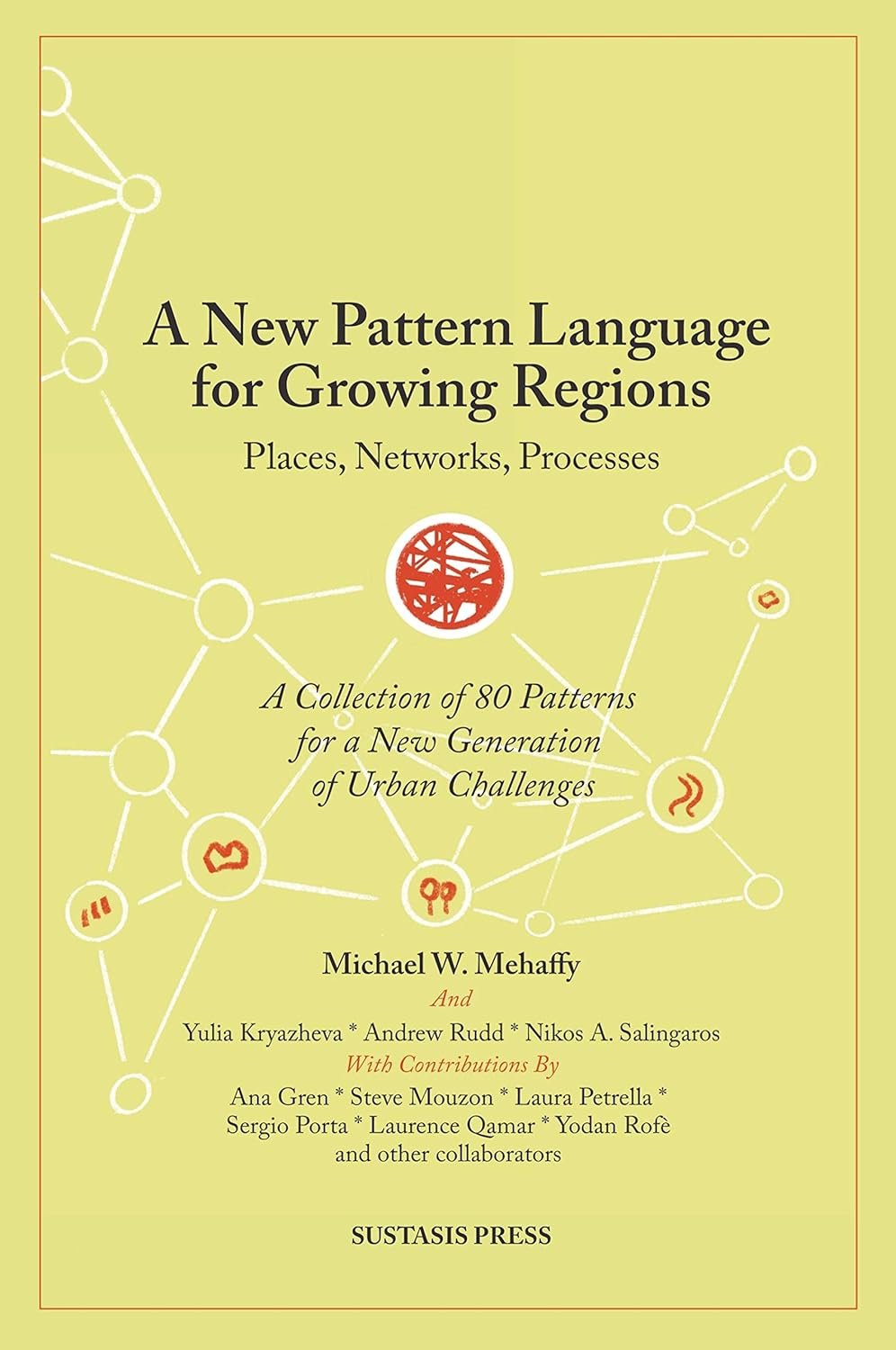
Mehaffy, Michael W. et al. A New Pattern Language for Growing Regions: Places, Networks, Processes: A Collection of 80 Patterns for a New Generation of Urban Challenges. Portland: Sustasis Press/Levellers Press, 2020.
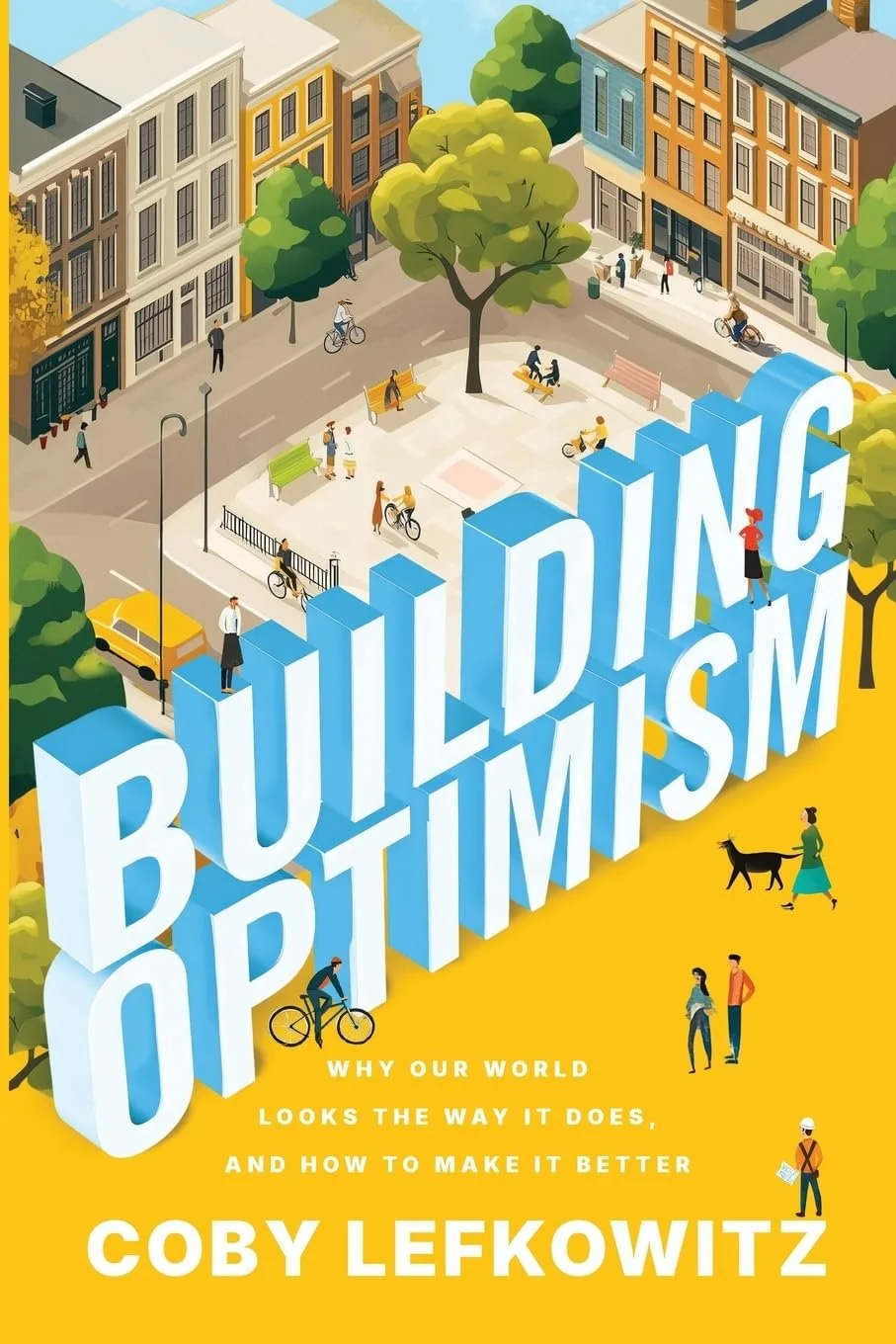
Lefkowitz, Coby. Building Optimism: Why our World Looks the Way it Does, and How to Make it Better. Lefkowitz, 2024.

Placemaking
Our mission is to build beautiful places. We have studied the history of town building in America and around the world. We are trying to implement the clear lessons of the past, add in our scale, and adjust for new innovations of the present. This has resulted in a fresh approach to town building, design, and placemaking.
Cullen, Gordon. The Concise Townscape. Oxford: Elsevier, 1971.
Duany, Andres, and Elizabeth Plater-Zyberk, Robert Alminana. The New Civic Art: Elements of Town Planning. New York: Rizzoli International Publications, 2003.
Endicott, Dominic and David J. Staley. Knowledge Towns: Colleges & Universities as Talent Magnets. Johns Hopkins University Press, 2023.
Klaus, Susan L. A Modern Arcadia: Frederick Law Olmsted, Jr. and the Plan for Forest Hills Gardens. Amherst: University of Massachusetts Press, 2002.
Kostoff, Spiro. The City Shaped: Urban Patterns and Meaning Through History. Boston: Brown, Little, 1991.
Sitte, Camillo. The Art of Building Cities: City Building According to its Artistic Fundamentals. New York: Reinhold Publishing Corporation, 1945.
Unwin, Raymond. Town Planning in Practice: An Introduction to the Art of Designing Cities and Suburbs. London: Adelphia Terrace, 1909.

Delightful Density
Who likes endless strip malls, traffic, billboards, stoplights, or watching the countryside disappear? We believe that the best way to avoid these problems is to build a variety of beautifully designed housing types in central areas while preserving natural and agricultural land.
Campoli, Julie and Alex S. MacLean. Visualizing Density. Cambridge: Lincoln Institute of Land Policy, 2007.
DeKay, Mark and G.Z. Brown. Sun, Wind & Light: Architectural Design Strategies. Hoboken: John Wiley & Sons, Inc., 2014.
Lstiburek, Joseph. Builder’s Guide to Hot-Humid Climates. Building Science Corporation, 2005.
Parolek, Daniel and Arthur C Nelson. Missing Middle Housing: Thinking Big and Building Small to Respond to Today’s Housing Crisis. Washington, D.C.: Island Press, 2020.
Polyzoides, Stefanos, and Roger Sherwood, James Tice. Courtyard Housing in Los Angeles: A Typological Analysis. New York: Princeton Architectural Press, 1992.
O’Looney, Brian. Increments of Neighborhood: A Compendium of Built Types for Walkable and Vibrant Communities. ORO Editions, 2020.
Rashkin, Sam. Housing 2.0: A Disruption Survival Guide. Lake City: Green Builder Media, 2021.
Ruiz, Fernando Pages. Building an Affordable House: Second Edition. Newtown: The Taunton Press, 2024.
Sim, David. Soft City: Building Density for Everyday Life. Washington: Island Press, 2019.

Walkability
To us, “walkability” means being able to walk to the things you need — grocery stores, schools, jobs, restaurants, and other daily needs — not just being able to take a walk without being run over. Walkable towns are pleasant, healthy, and create a stronger sense of community. We want driving to be an enjoyable option, not a daily requirement.
Cervero, Robert, and Erick Guerra, Stefan Al. Beyond Mobility: Planning Cities for People and Places. Washington, D.C.: Island Press, 2017.
Dover, Victor, and John Massengale. Street Design: The Secret to Great Cities and Towns. Hoboken: Wiley, 2014.
Jacobs, Allan B. Great Streets. Cambridge: The MIT Press, 1995.
Marohn, Charles L, Jr. Confessions of a Recovering (Traffic) Engineer: Transportation for a Strong Town. Hoboken: John Wiley & Sons, Inc., 2021.
Sadik-Khan, Janette, and Seth Solomonow. Street Fight: Handbook for an Urban Resolution. New York: Viking, 2013.
Speck, Jeff. Walkable City Rules: 101 Steps to Making Better Places. Washington: Island Press, 2018.
Vanderbilt, Tom. Traffic: Why We Drive the Way We Do (And What it Says About Us). New York: Random House, Inc., 2008.

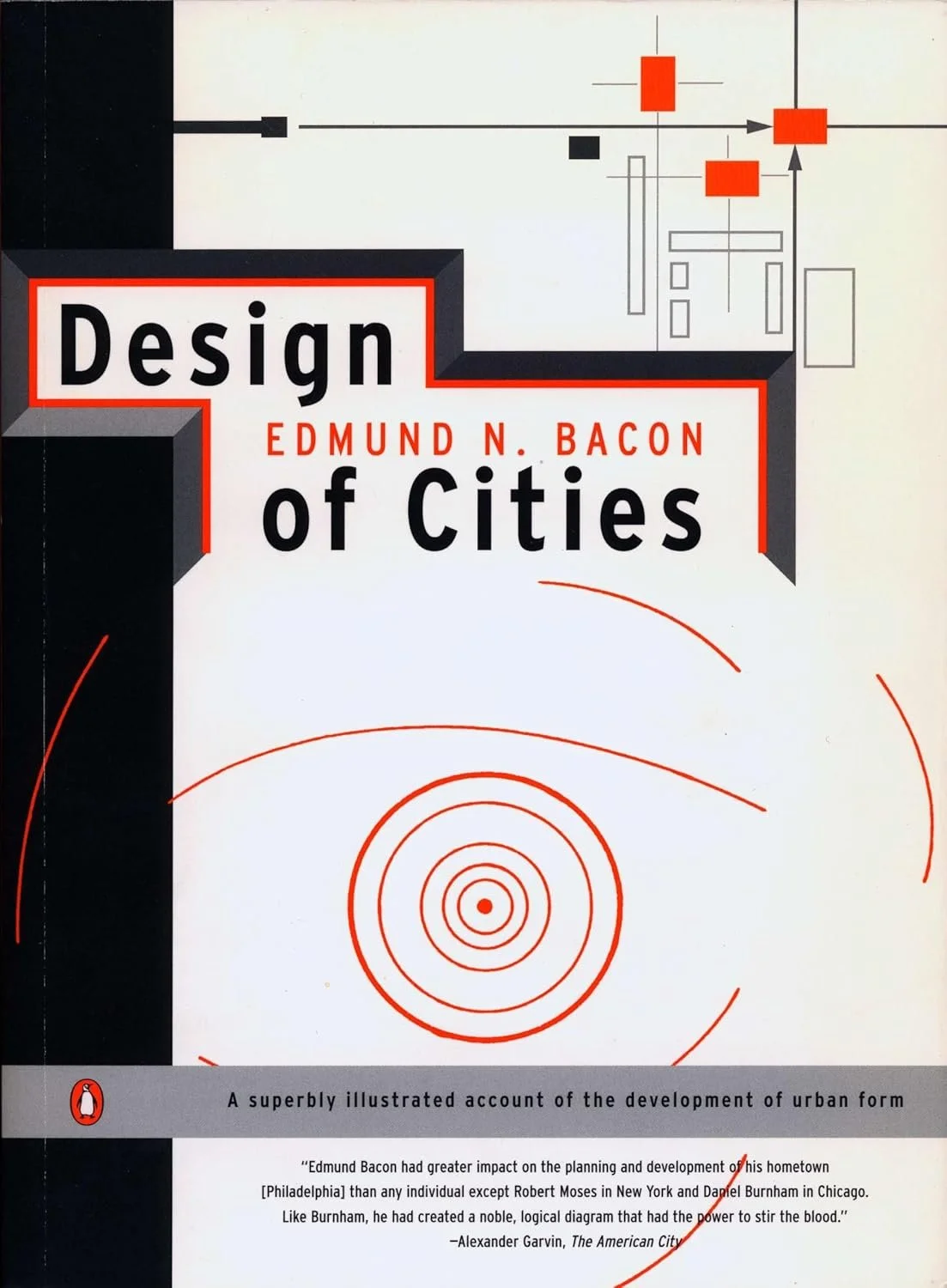
Bacon, Edmund N. Design of Cities. New York: The Viking Press, 1967.
Hirt, Sonia A. Zoned in the USA: The Origins and Implications of American Land-Use Regulation. Ithaca: Cornell University Press, 2014.
Howard, Ebenezer. Garden Cities of Tomorrow. London: Swan Sonnenschein & Co., Ltd., 1902.
Jacobs, Jane. The Death and Life of Great American Cities. New York: Random House, 1961.
Katz, Peter. The New Urbanism: Toward and Architecture of Community. Hong Kong: McGraw-Hill, 1984.
Krier, Leon. The Architecture of Community. Washington, D.C.: Island Press, 2009.
Stern, Robert A.M., and David Fishman, Jacob Tilove. Paradise Planned: The Garden Suburb and the Modern City. New York: Monacelli, 2013.
Sharp, Thomas. The Anatomy of the Village. Harmondsworth: Penguin Books, 1946.
No Sprawl
Years ago we looked around the country and saw the mess —the congestion, the sprawl, the endless strip malls and traffic lights, the nonstop parking lots, concrete, and long commuting times — and said, there has to be a better way! We avoid sprawl by preserving large, beautiful countryside that runs right up to the edge of dense, vibrant, pedestrian-oriented towns designed for people.