
Resources
InspirationWe love to read and learn! Over the years, these have been some of the books that helped inspire our core principles, though of course we don’t agree with everything any author writes.

Protect the Land
Our Long-Term Vision
Bloch, Sam. Shade: The Promise of a Forgotten Natural Resource. New York: Random House, 2025.
Brown, Gabe. Dirt to Soil: One Family’s Journey into Regenerative Agriculture.White River Junction: Chelsea Green Publishing, 2018.
Dramstad, Wenche E. and James D. Olson, Richard T. T. Forman. Landscape Ecology Principles in Landscape Architecture and Land-Use Planning. Washington, DC: Harvard University Graduate School of Design, 1996.
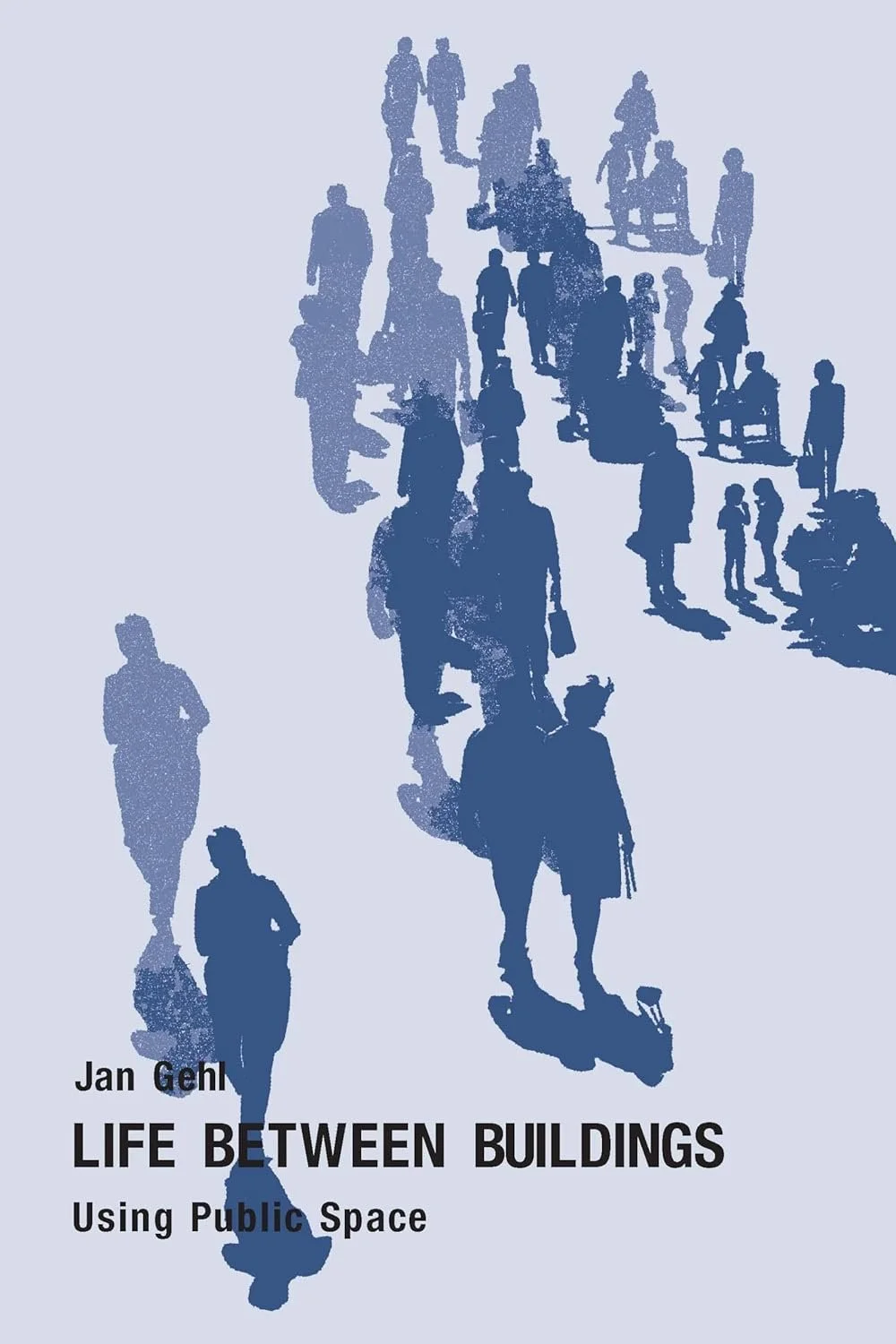
Gehl, Jan. Life Between Buildings: Using Public Space.Washington, D.C.: Island Press, 2011.
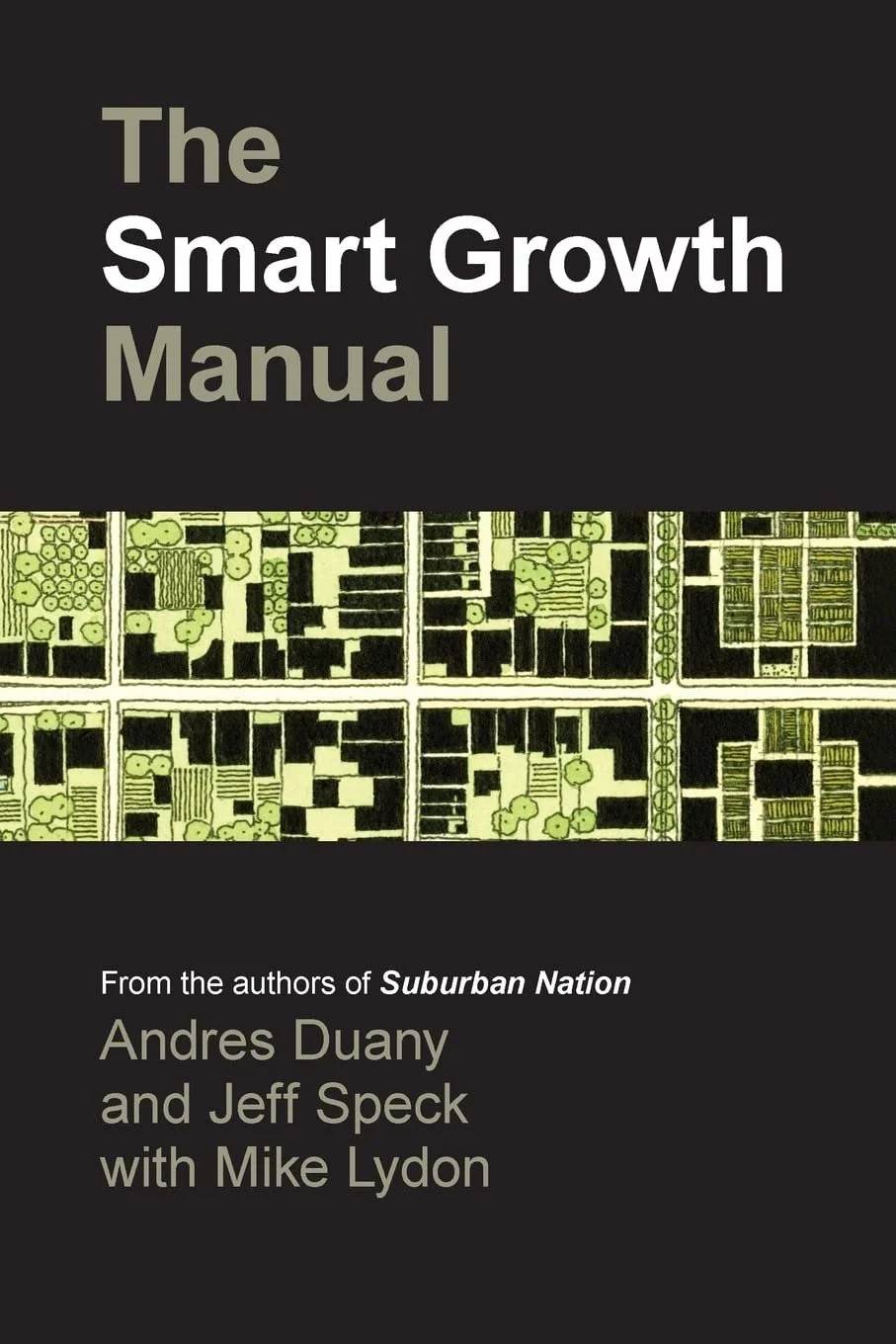
Speck, Jeff, and Andres Duany, Mike Lydon. The Smart Growth Manual.New York: McGraw-Hill, 2010.

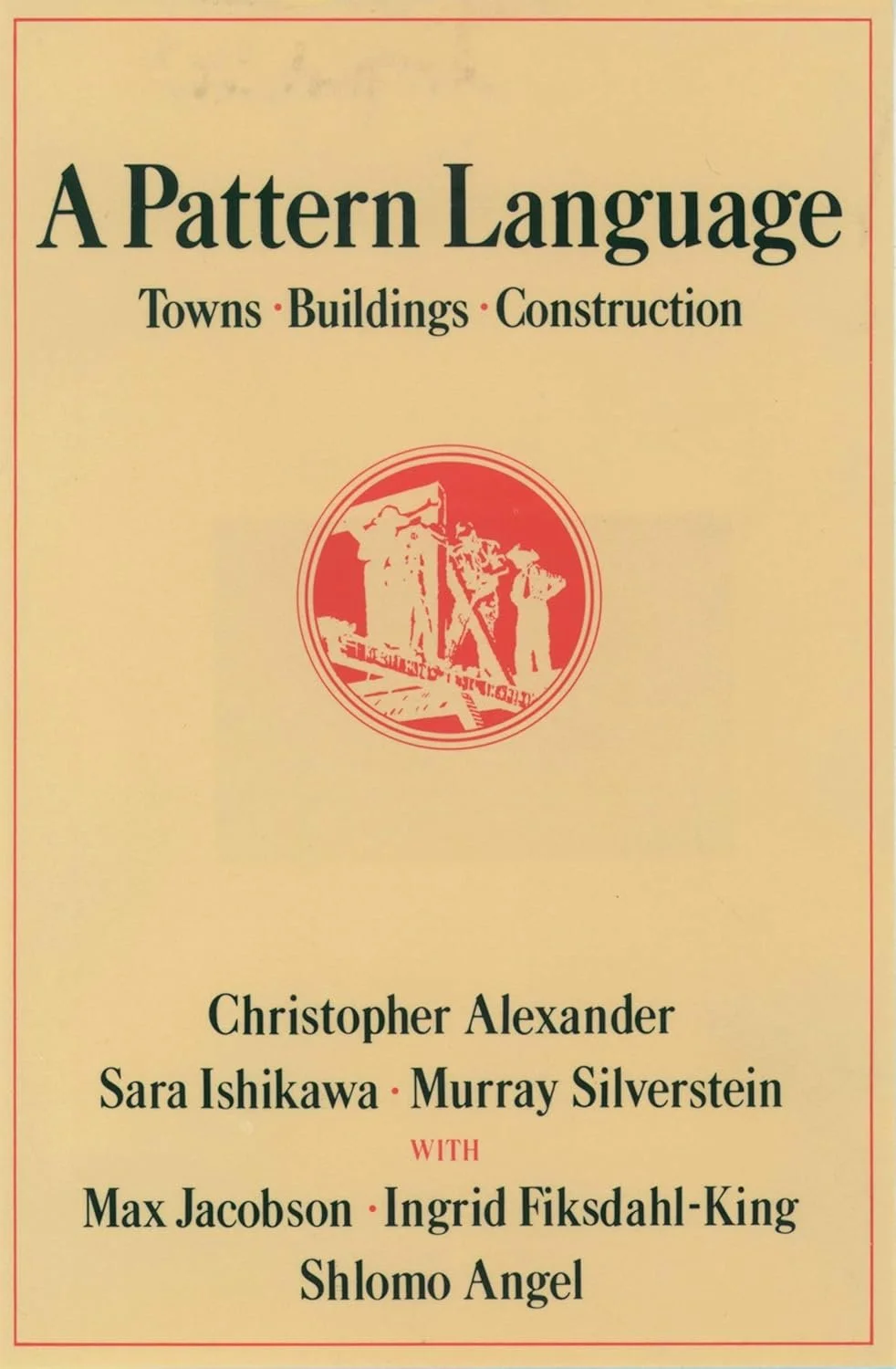
Alexander, Christopher et al. A Pattern Language: Towns, Buildings, Construction. New York: Oxford University Press, 1977.
Bertraud, Alain. Order Without Design: How Markets Shape Cities. Cambridge: The MIT Press, 2024.
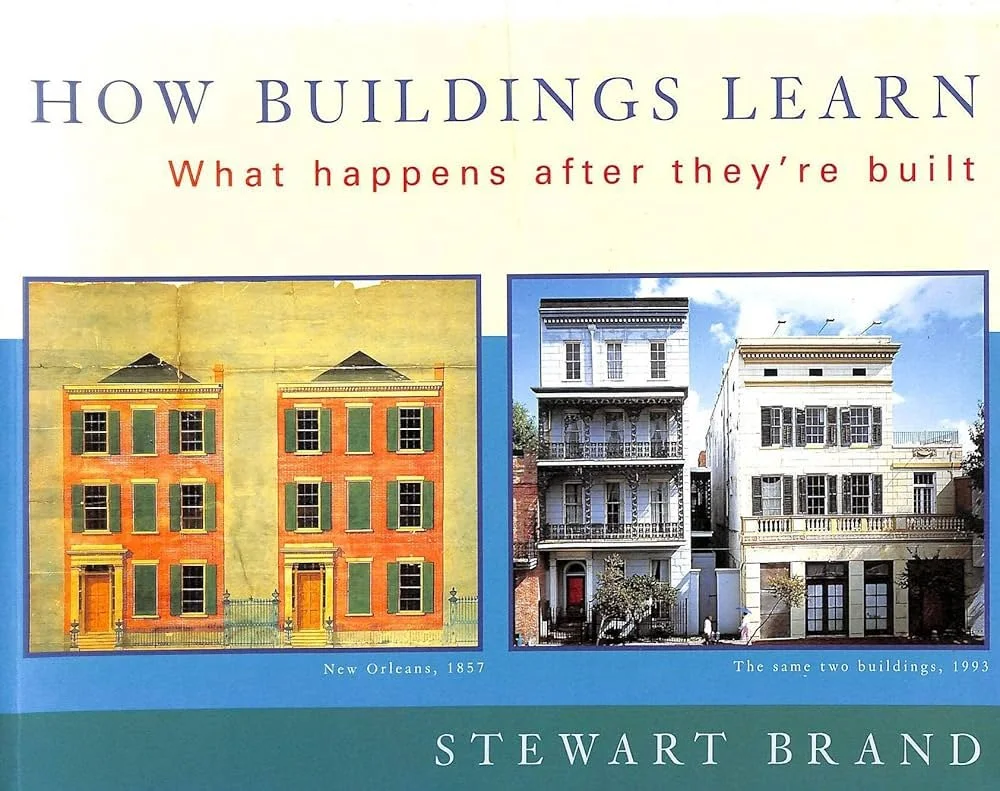
Brand, Stewart. How Buildings Learn: What Happens After They’re Built. New York: Penguin Books, 1995.
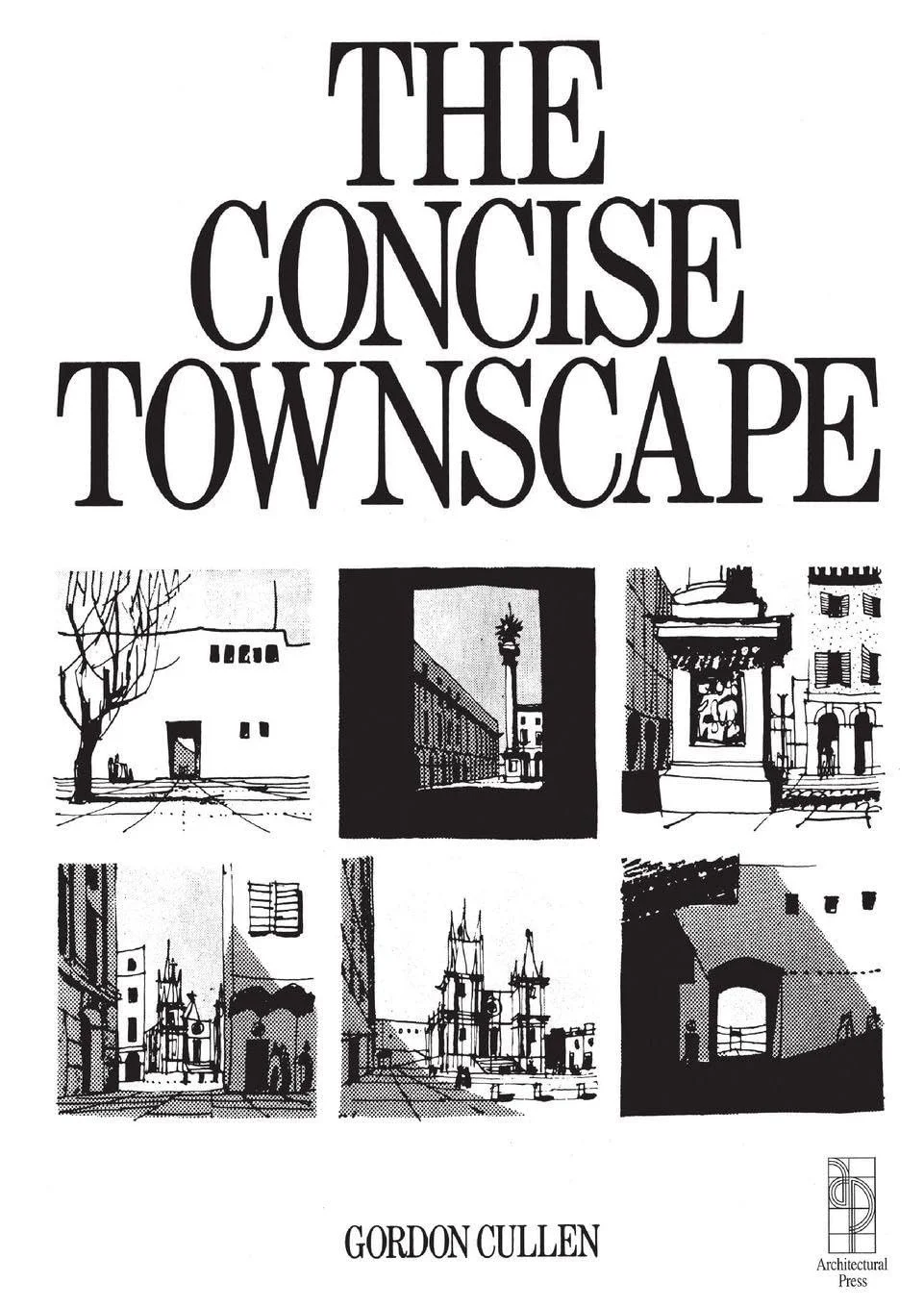
Cullen, Gordon. The Concise Townscape. Oxford: Elsevier, 1971.
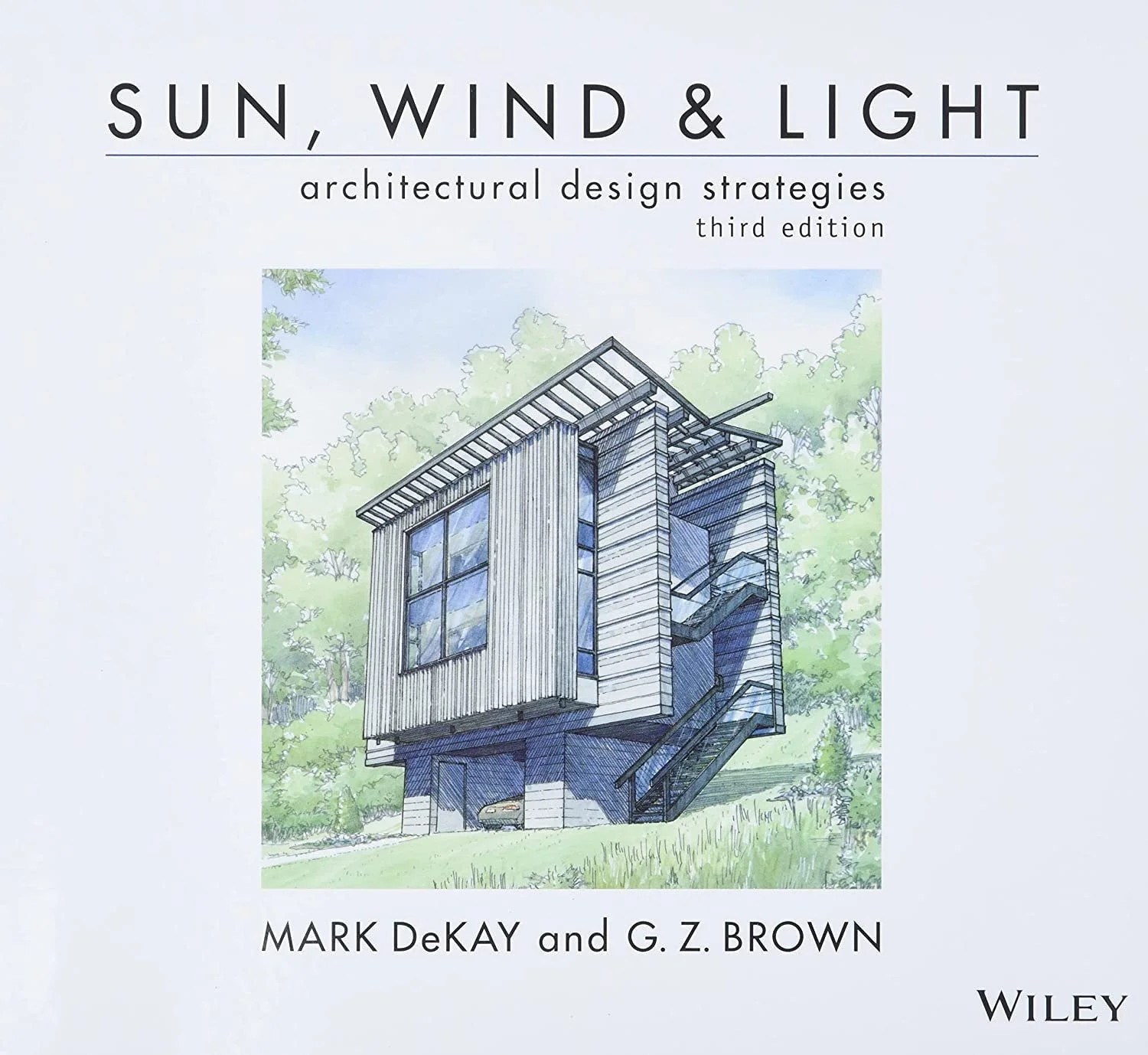
DeKay, Mark and G.Z. Brown. Sun, Wind & Light: Architectural Design Strategies. Hoboken: John Wiley & Sons, Inc., 2014.
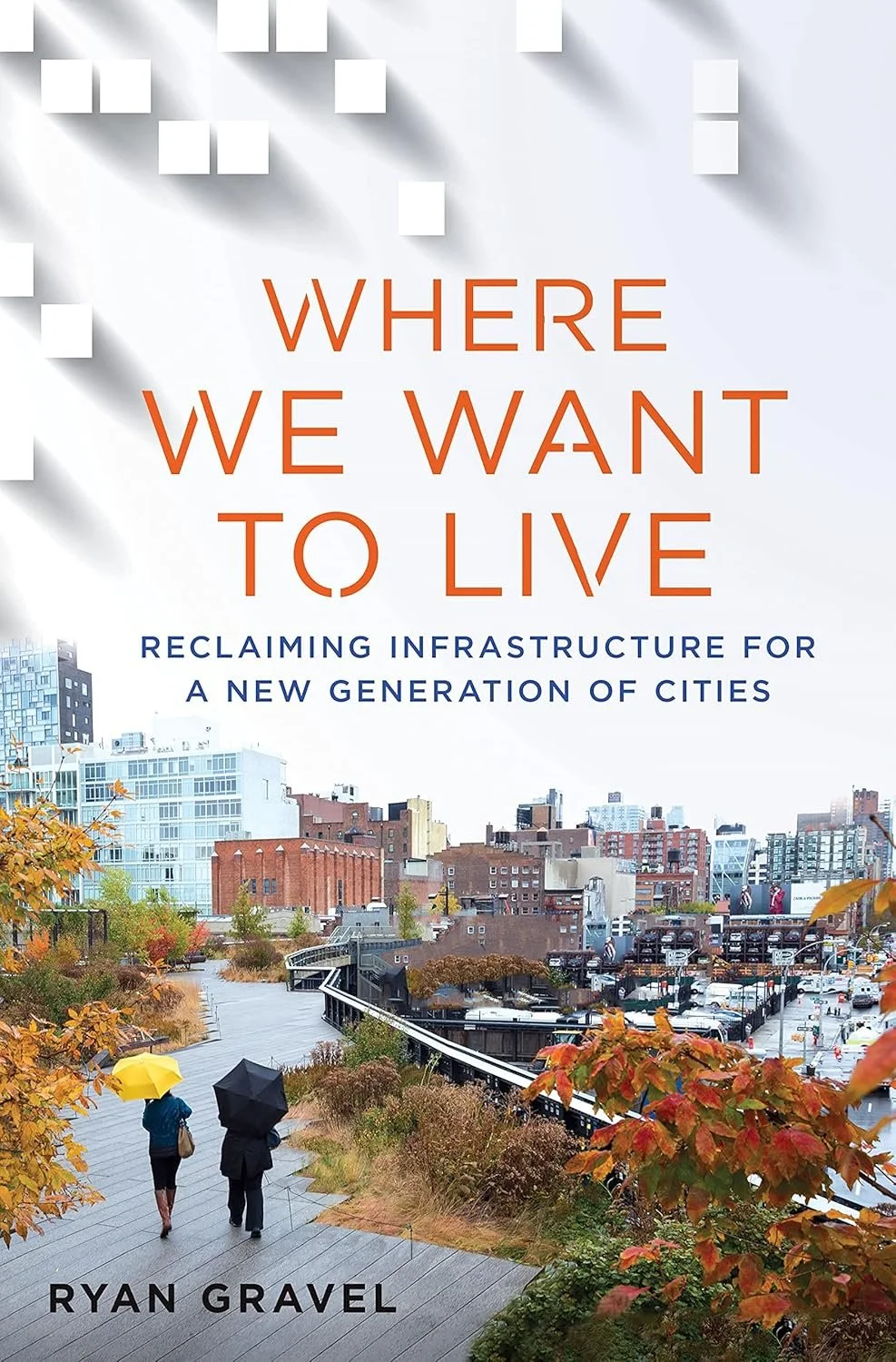
Gravel, Ryan. Where We Want to Live: Reclaiming Infrastructure for a New Generation of Cities. New York: St. Martin’s Press, 2016.
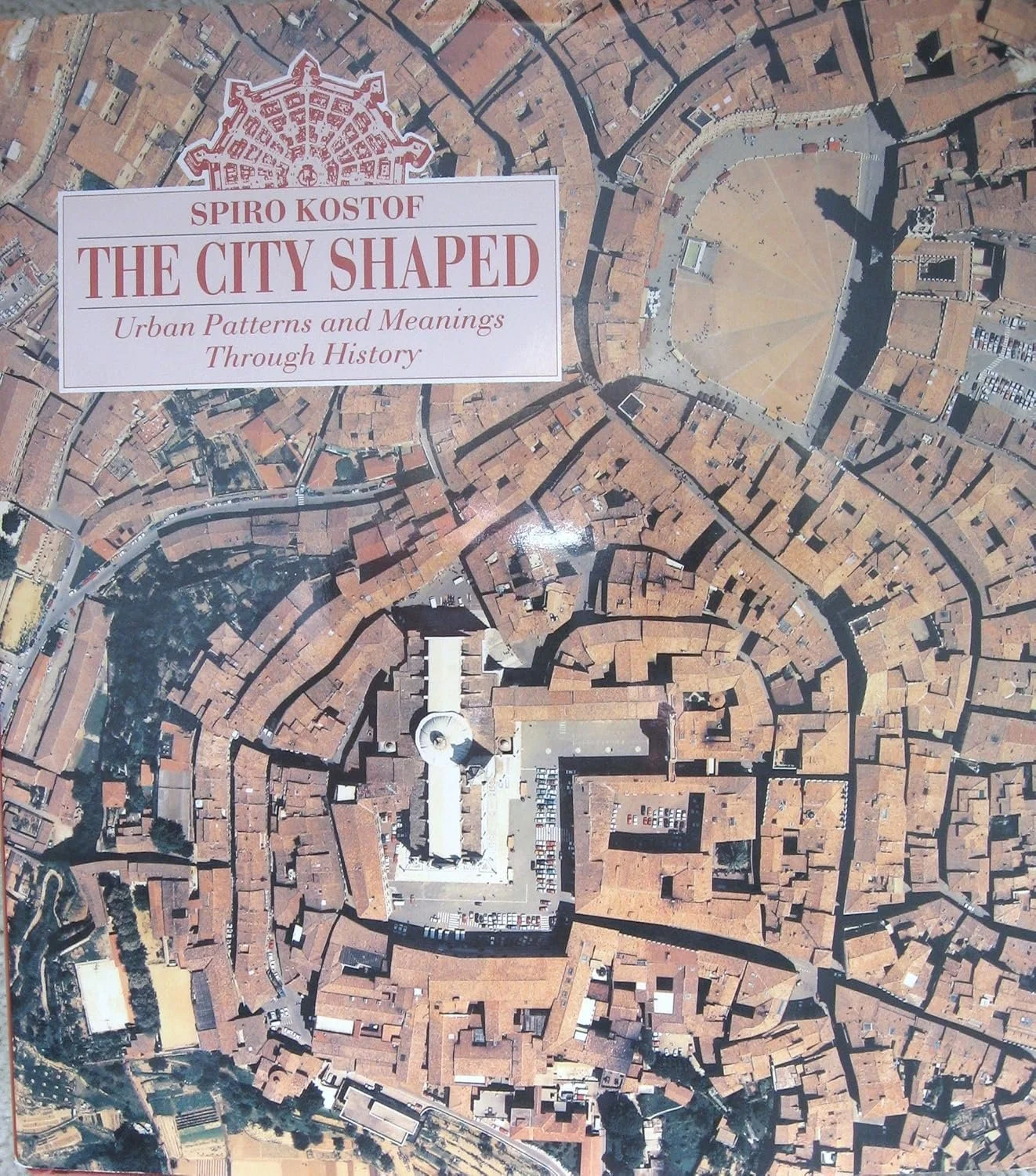
Kostoff, Spiro. The City Shaped: Urban Patterns and Meaning Through History. Boston: Brown, Little, 1991.
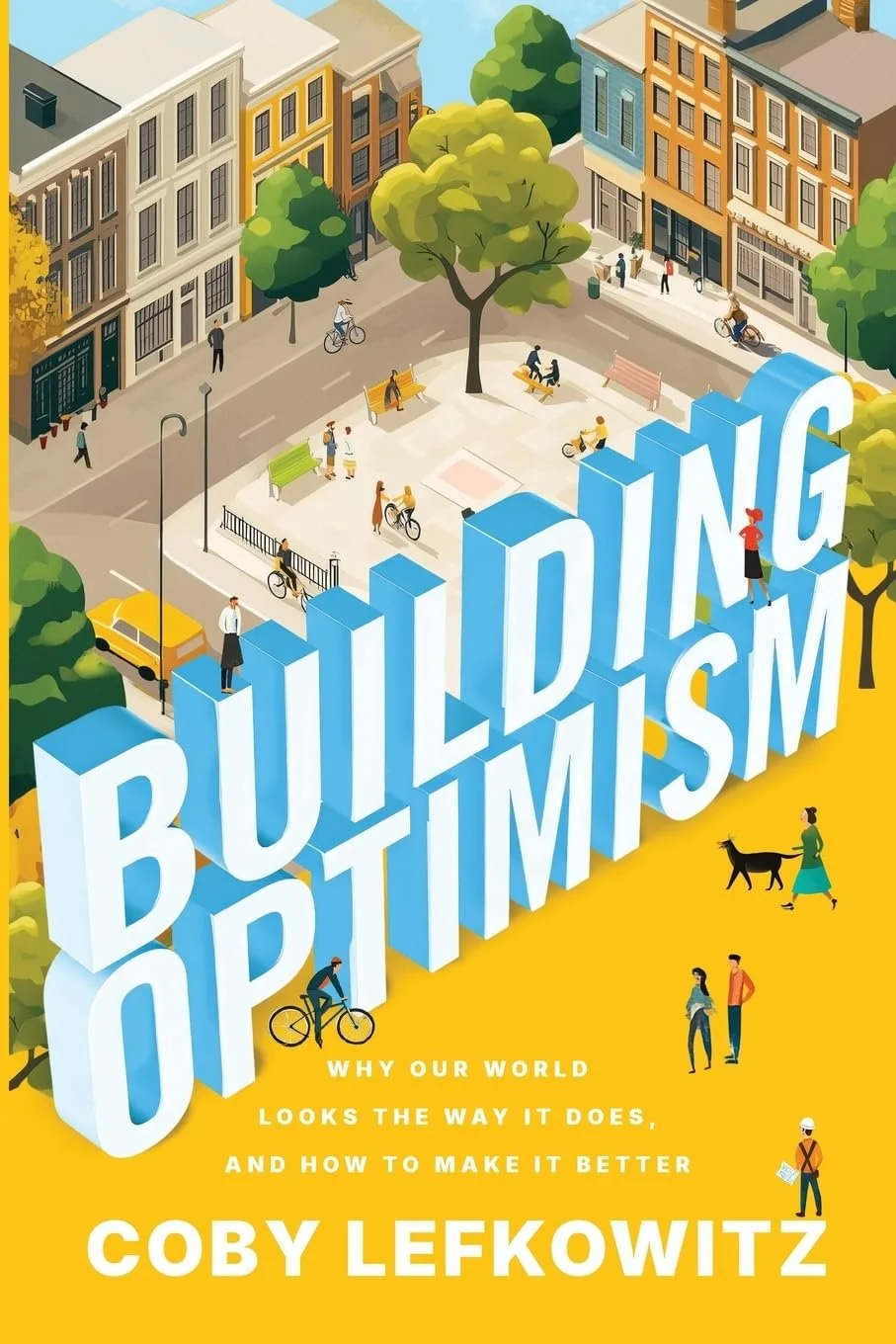
Lefkowitz, Coby. Building Optimism: Why our World Looks the Way it Does, and How to Make it Better. Lefkowitz, 2024.
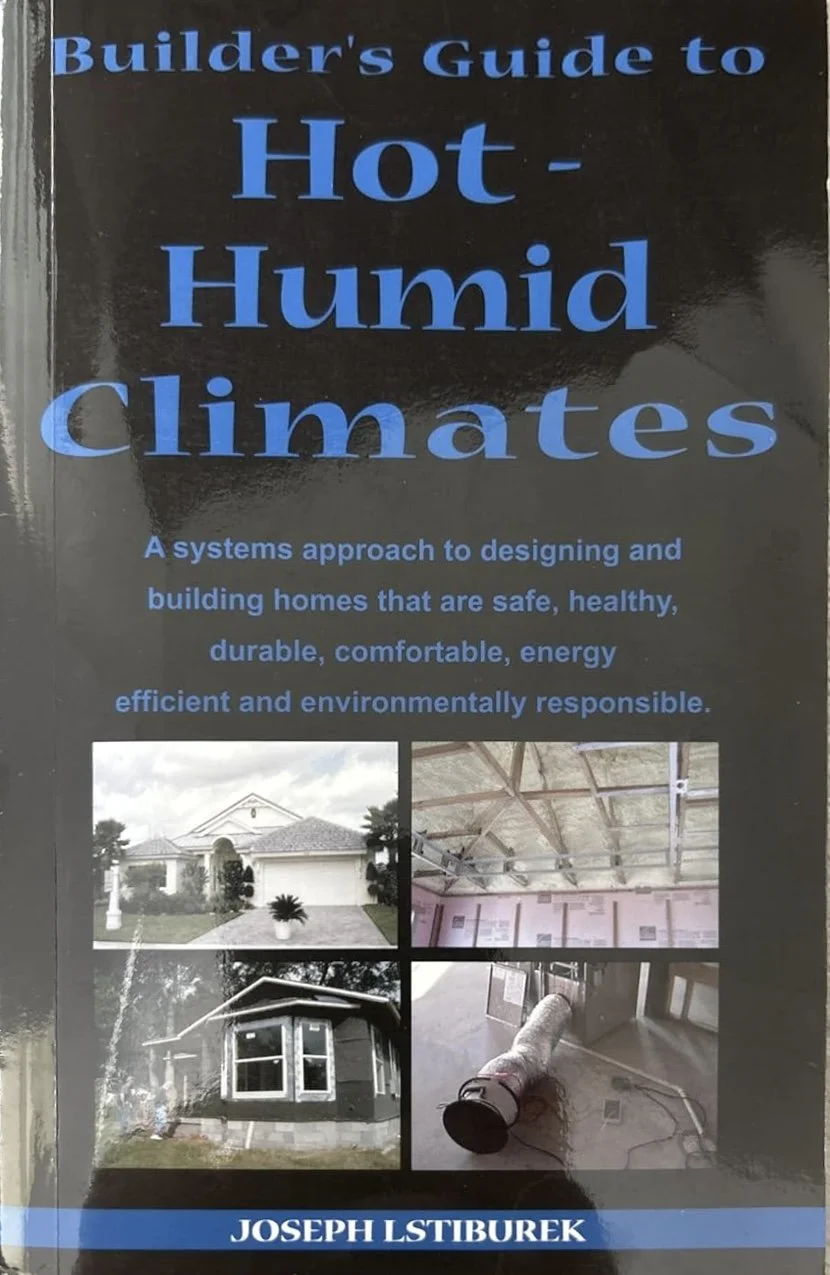
Lstiburek, Joseph. Builder’s Guide to Hot-Humid Climates. Building Science Corporation, 2005.
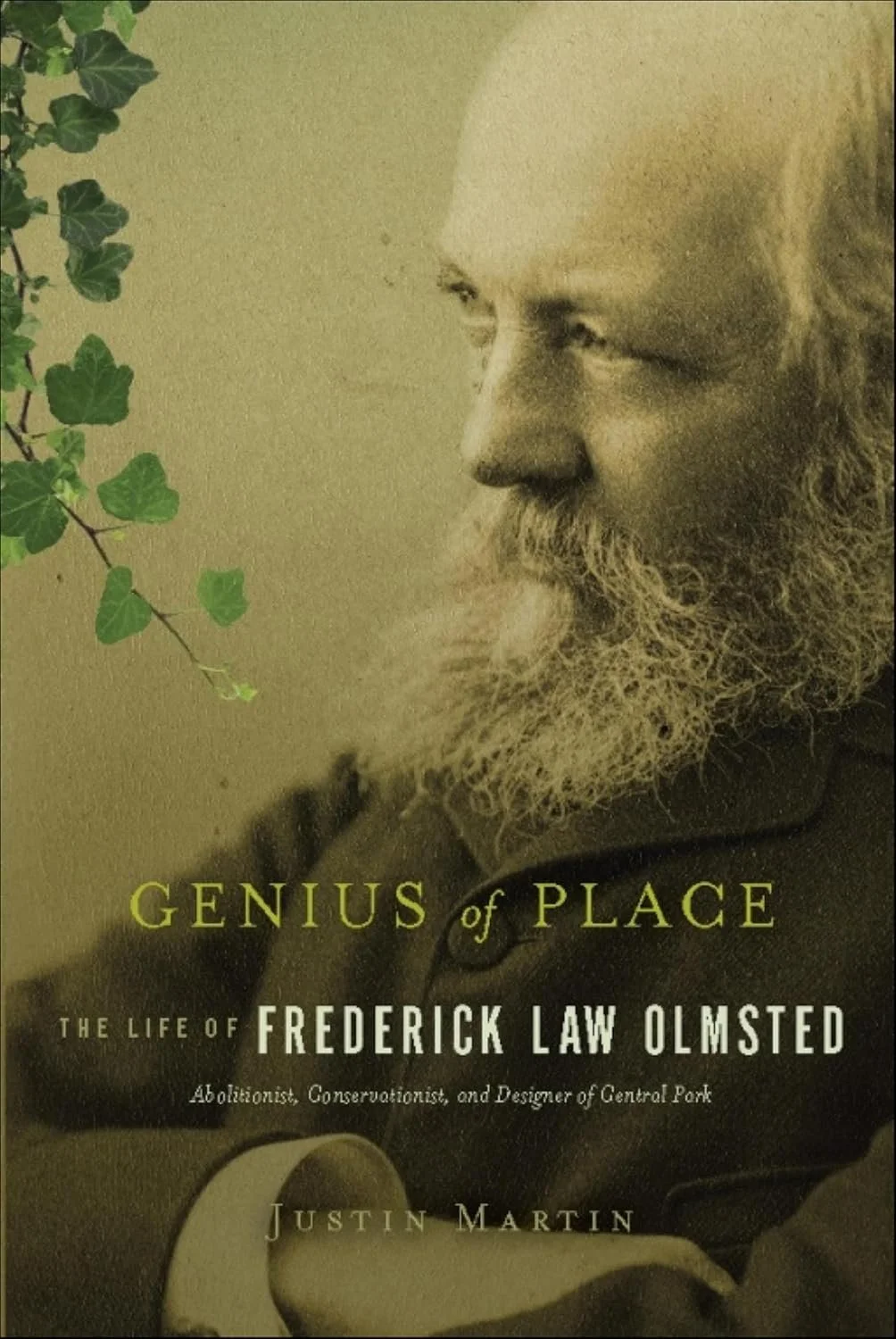
Martin, Justin. Genius of Place: The Life of Frederick Law Olmsted. Boston: Da Capo Press Books, 2011.
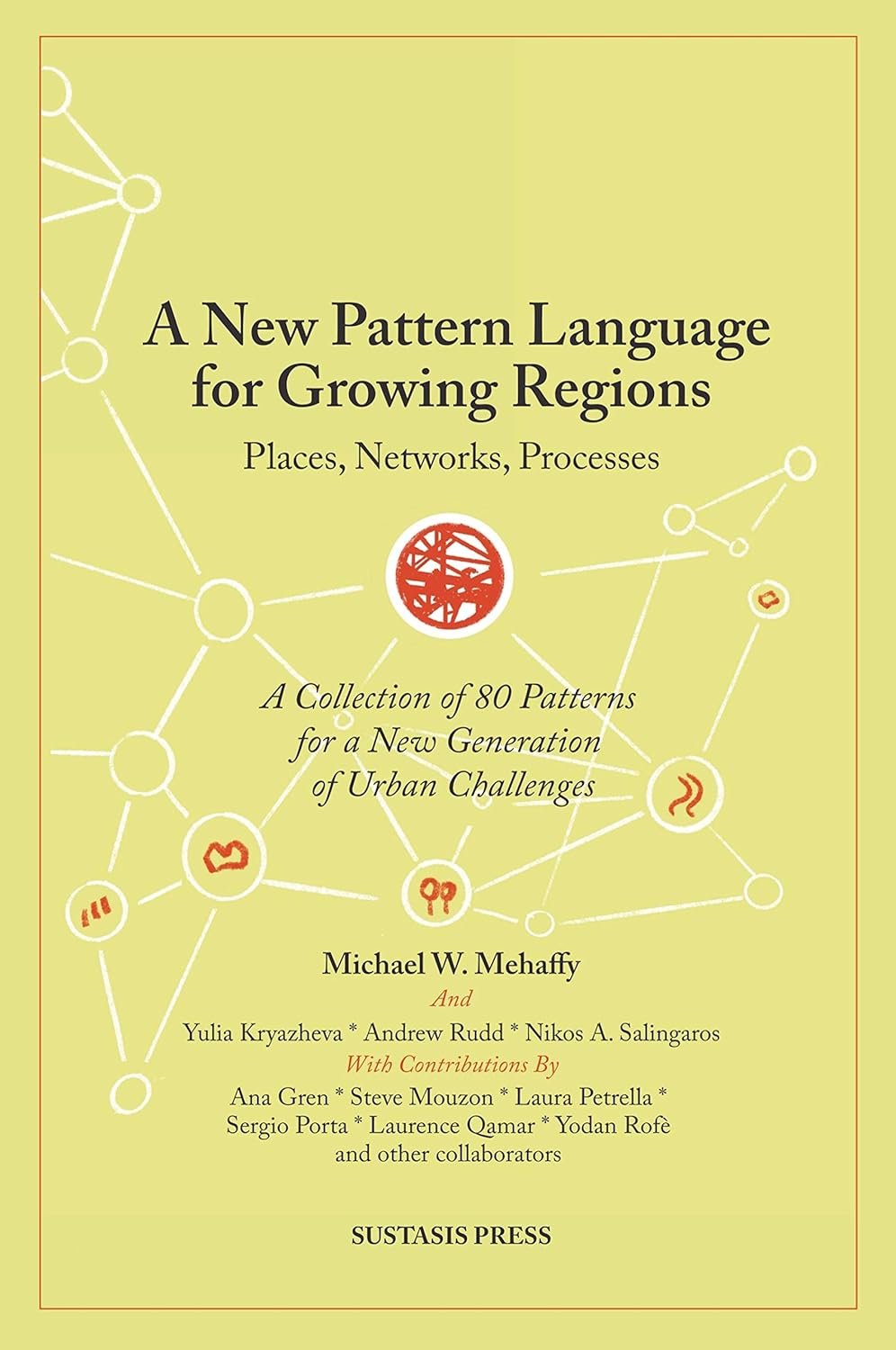
Mehaffy, Michael W. et al. A New Pattern Language for Growing Regions: Places, Networks, Processes: A Collection of 80 Patterns for a New Generation of Urban Challenges. Portland: Sustasis Press/Levellers Press, 2020.
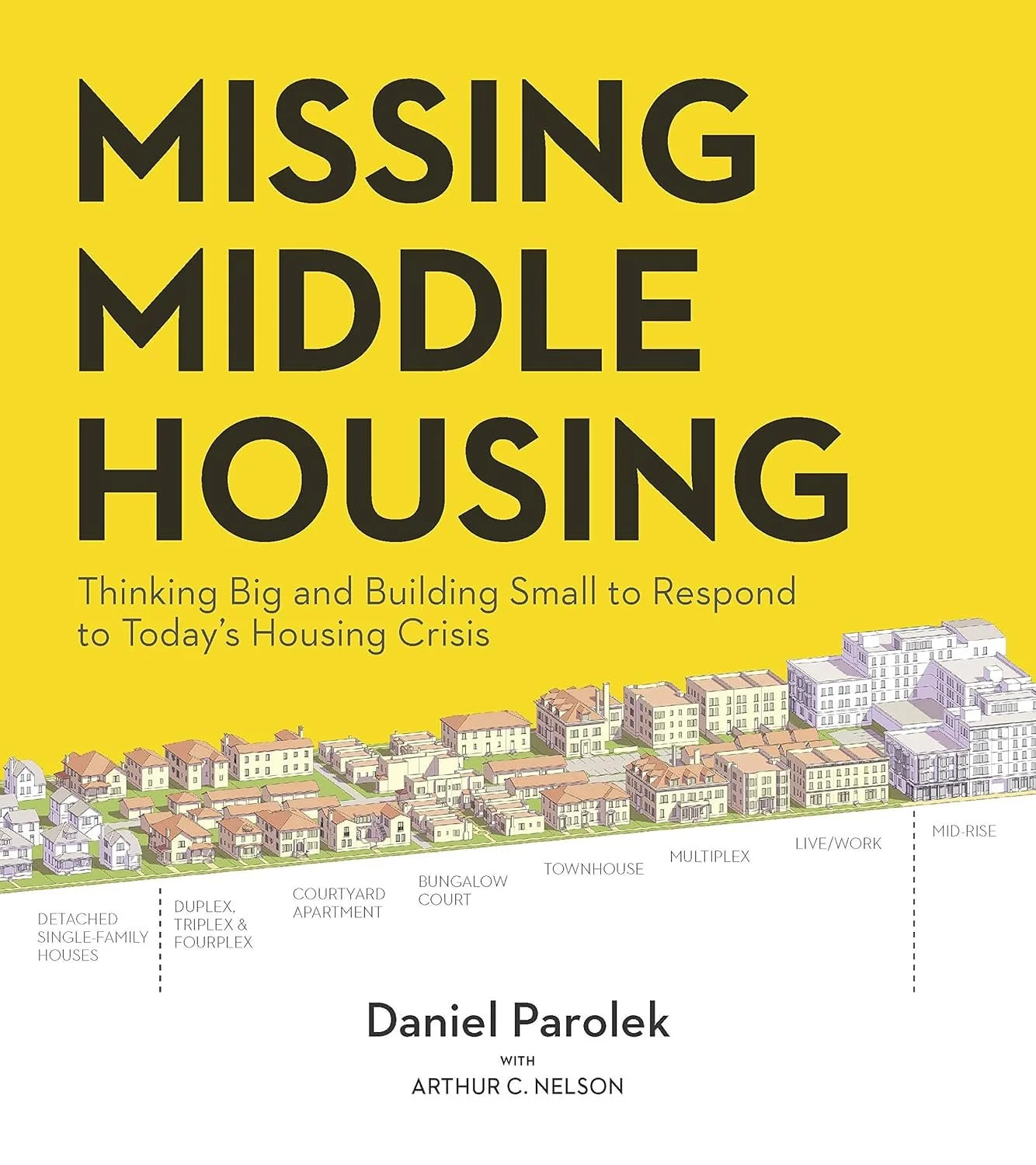
Parolek, Daniel and Arthur C Nelson. Missing Middle Housing: Thinking Big and Building Small to Respond to Today’s Housing Crisis. Washington, D.C.: Island Press, 2020.
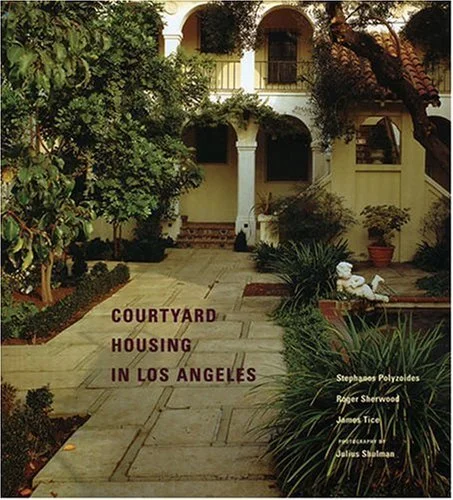
Polyzoides, Stefanos, and Roger Sherwood, James Tice. Courtyard Housing in Los Angeles: A Typological Analysis. New York: Princeton Architectural Press, 1992.
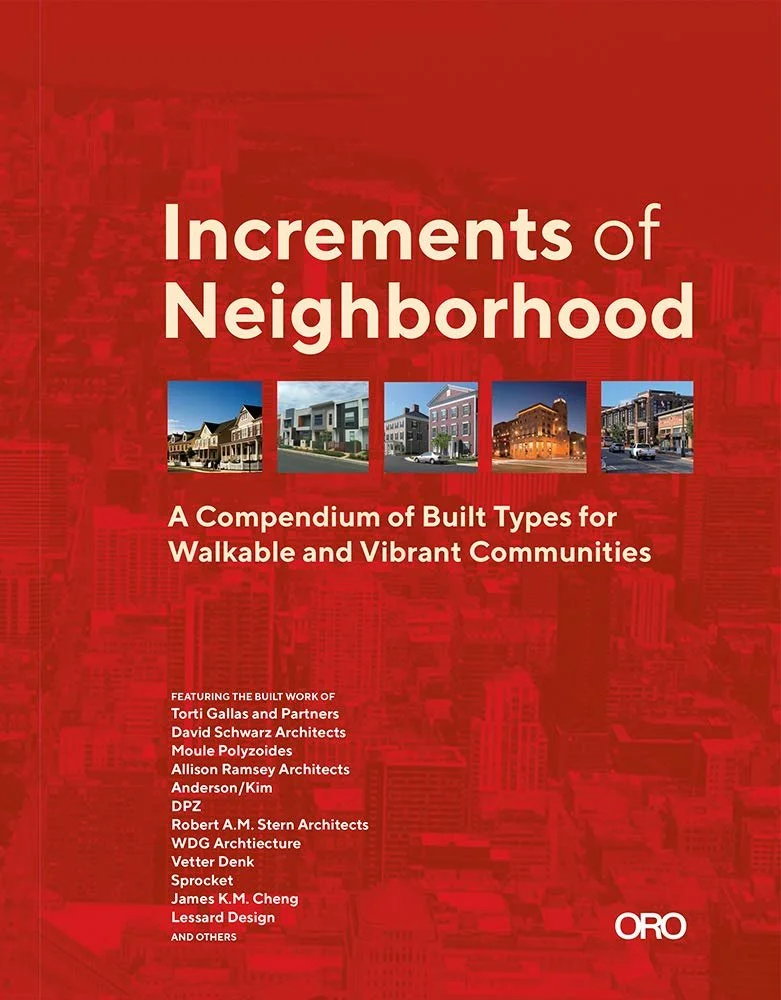
O’Looney, Brian. Increments of Neighborhood: A Compendium of Built Types for Walkable and Vibrant Communities. ORO Editions, 2020.
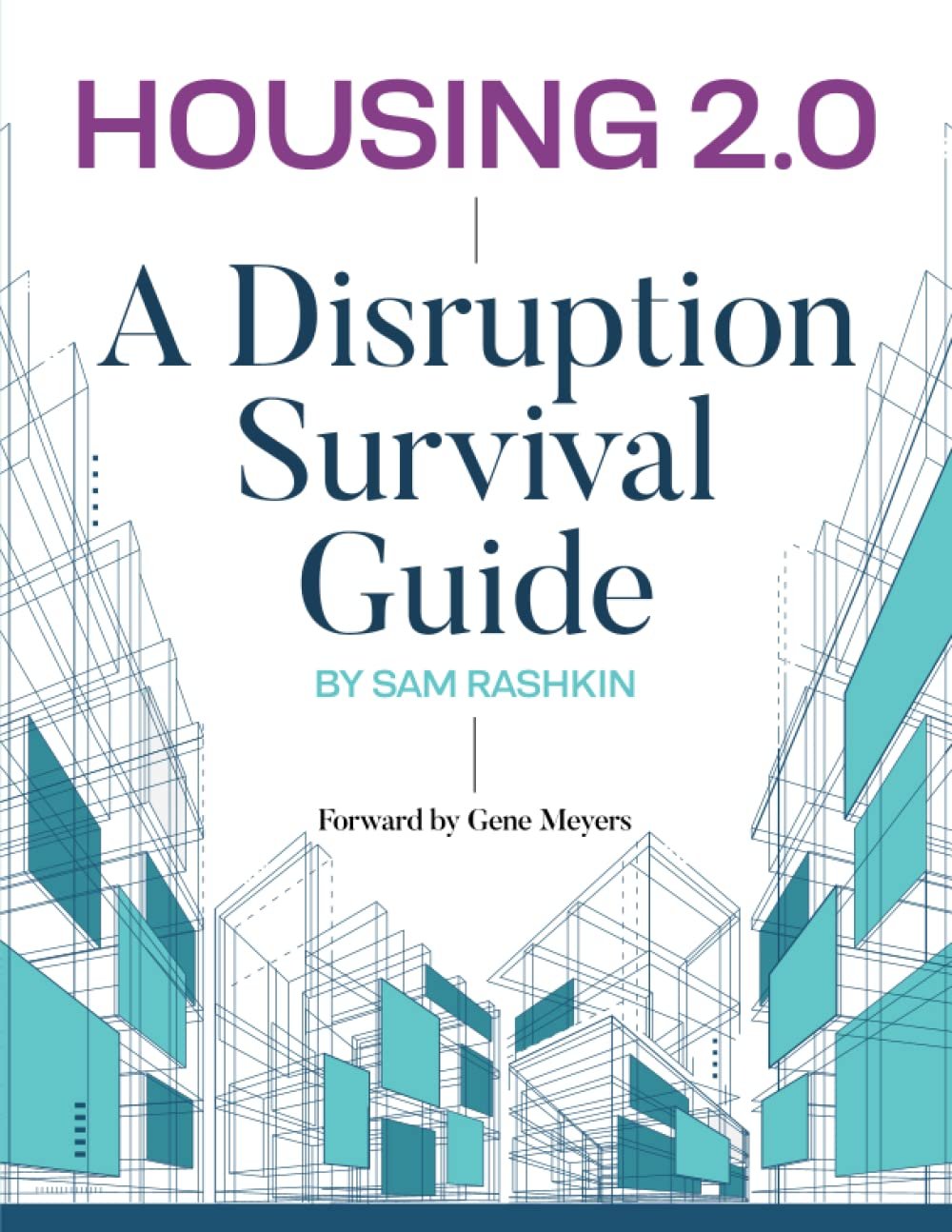
Rashkin, Sam. Housing 2.0: A Disruption Survival Guide. Lake City: Green Builder Media, 2021.
Ruiz, Fernando Pages. Building an Affordable House: Second Edition. Newtown: The Taunton Press, 2024.

Sidewalks, Paths, Streets, and Roads
Dover, Victor, and John Massengale. Street Design: The Secret to Great Cities and Towns. Hoboken: Wiley, 2014.
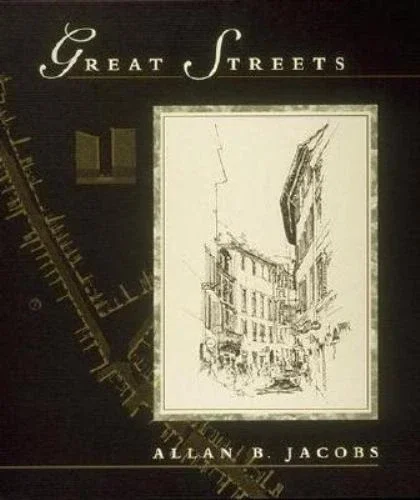
Jacobs, Allan B. Great Streets.Cambridge: The MIT Press, 1995.
Marohn, Charles L, Jr. Confessions of a Recovering (Traffic) Engineer: Transportation for a Strong Town. Hoboken: John Wiley & Sons, Inc., 2021.
Sadik-Khan, Janette, and Seth Solomonow. Street Fight: Handbook for an Urban Resolution. New York: Viking, 2013.
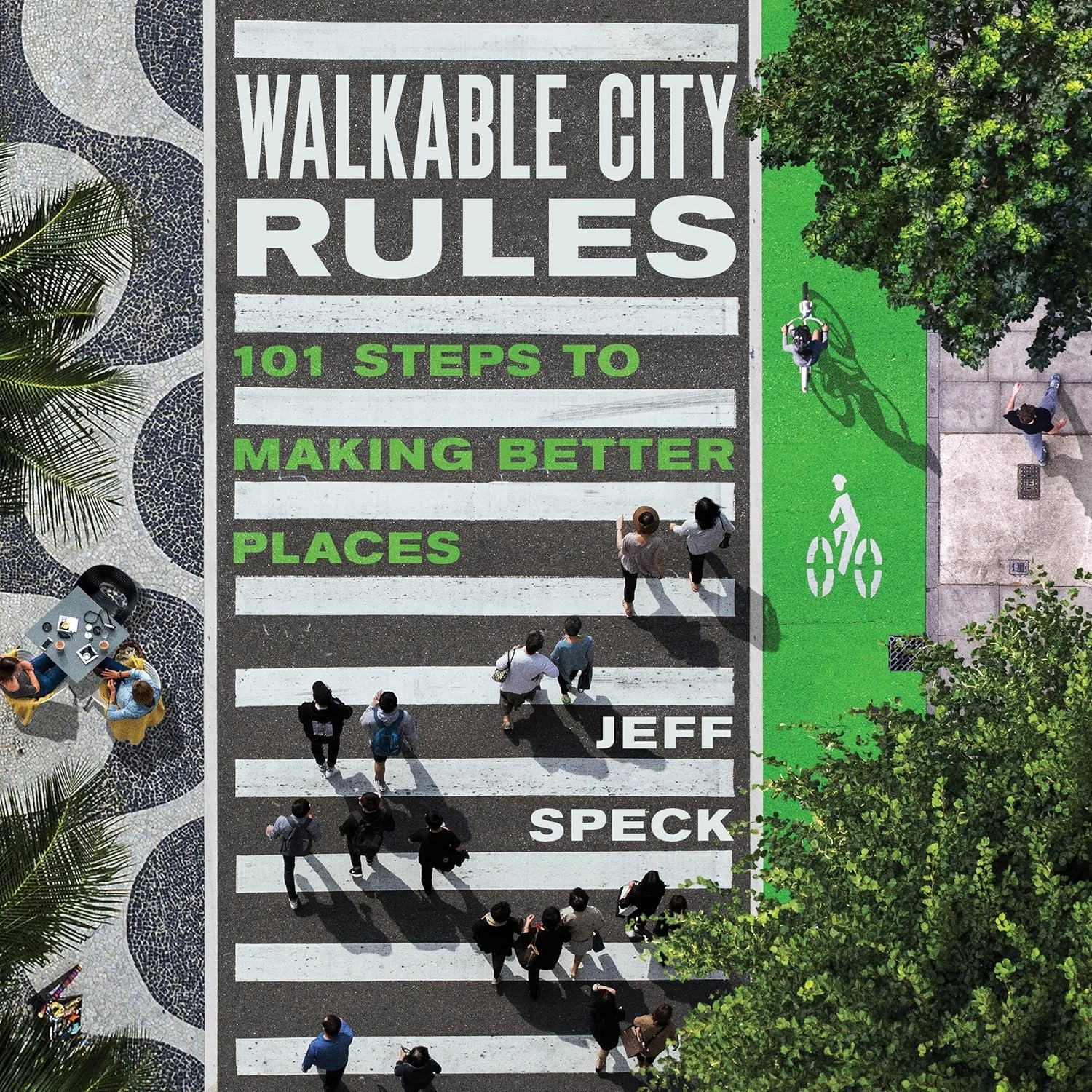
Speck, Jeff. Walkable City Rules: 101 Steps to Making Better Places. Washington: Island Press, 2018.