
Our Vision
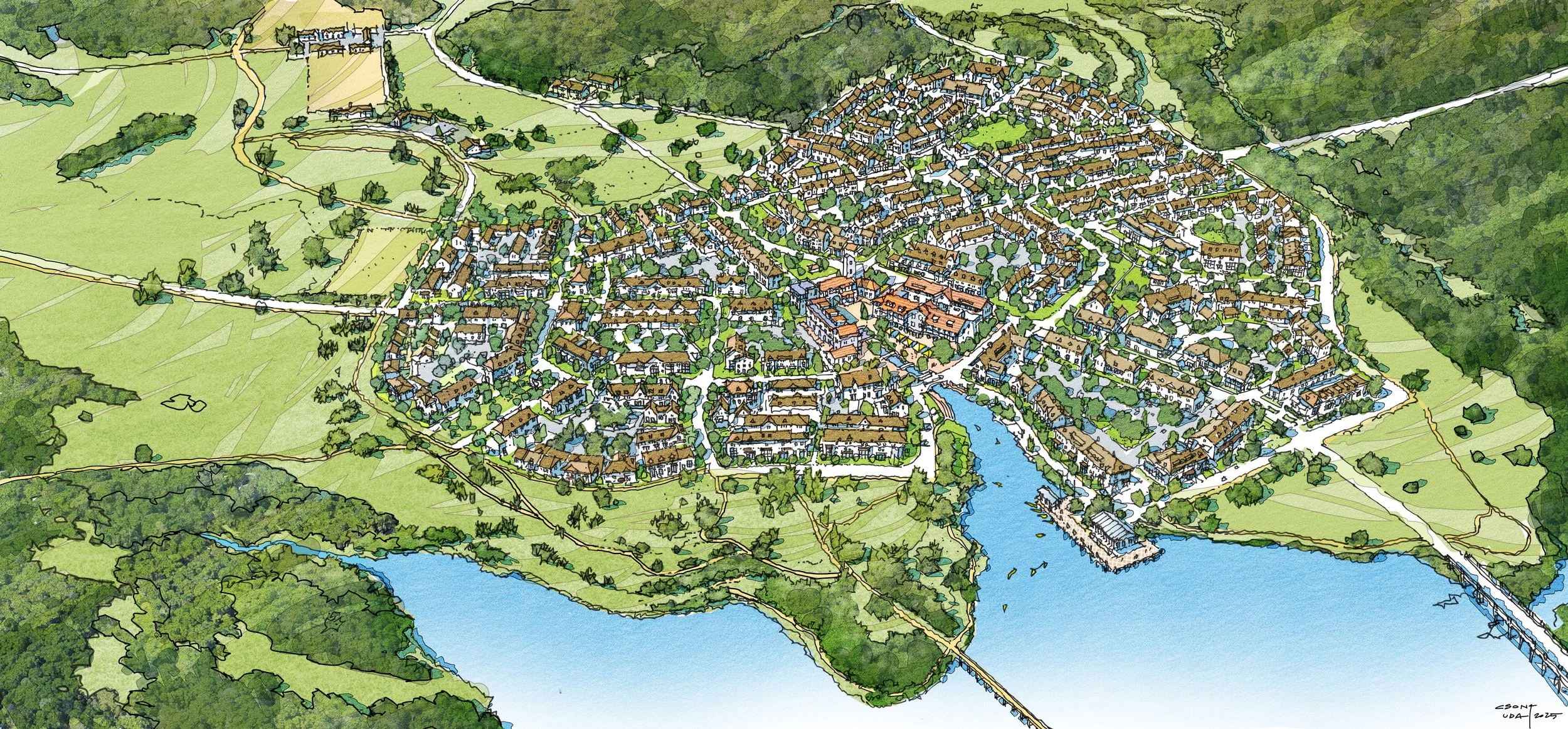
Our vision for San Jacinto Ranch is to spend the next few generations creating some of the most beautiful places in Texas. An environment of hills, lakes, agriculture, and open spaces, near homes, retail, and jobs.
We aim to forge a collection of welcoming communities in the rolling hills of San Jacinto County just north of Houston with expansive ranches and old-fashioned, walkable towns nestled into the productive fields, forests, and natural landmarks of the area’s uniquely attractive landscape.
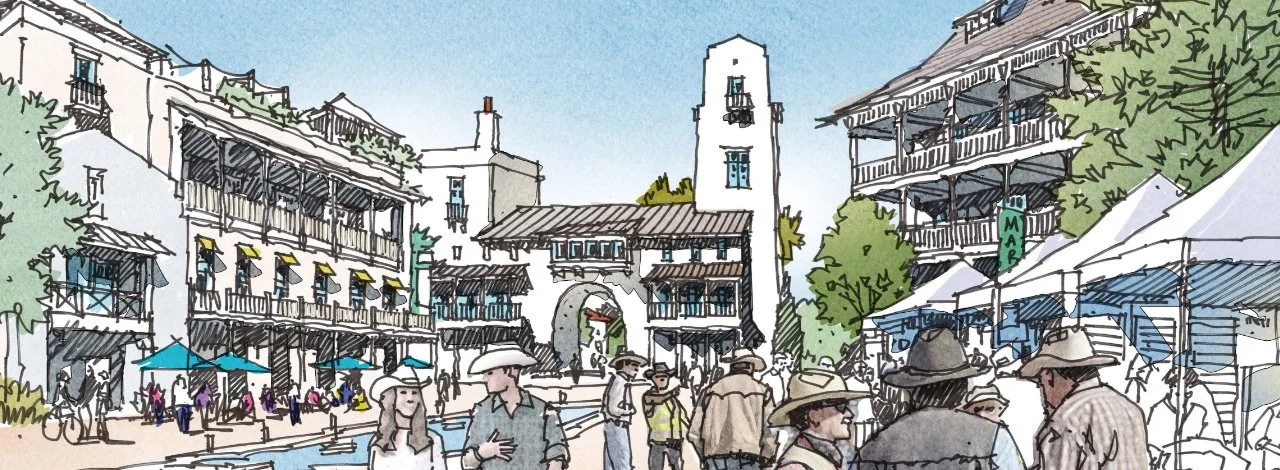
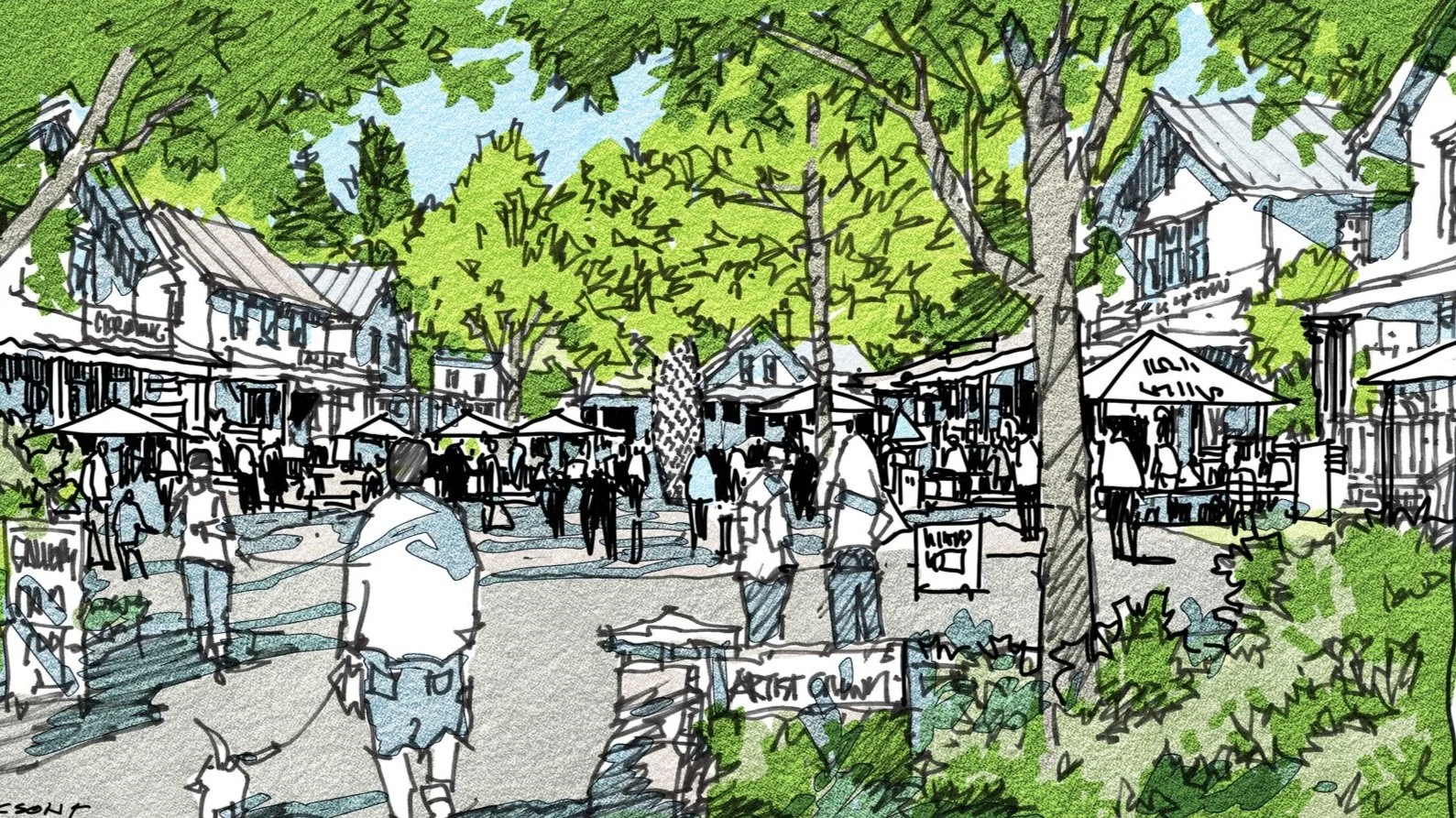
We want to build vibrant, walkable, real communities with great homes and a wide variety of jobs that don’t require commuting. Imagine charming homes, lively plazas, abundant shops, services, parks, and fields, all within walking distance of each other and surrounded by the natural beauty of Texas. Instead of endless commuting, imagine walking to work or school or friends and restaurants and useful services.
Our team is passionate about harnessing the region’s natural beauty and preserving our rich agrarian heritage to promote a higher quality of life.
Jobs
One of our aims at San Jacinto Ranch is to generate hundreds and later thousands of good jobs, offering the ability to learn, be mentored, and make life progress. Our formula is simple. Great places attract and retain talented people. Employers follow talent. And talented people create more jobs.
Study after study shows that talented people choose to live in places with a high quality of life. This often means places with access to nature, recreation, and a beautiful environment; places where you can walk to your favorite restaurant and your job; places to raise a family with good options for schools; and places with a sense of community, where other capable, hard-working people live.
At San Jacinto Ranch, we are nestled within one of the prettiest regions in Texas. We are also geographically linked to one of the strongest economies in the world. As we create beautiful, vibrant, and charming towns, talent and jobs will follow. These are the kinds of places where great employers want to be.
How We Are Different
Growth is coming. More people are coming to live pretty much everywhere in Texas, and they are likely to keep coming in the decades ahead. Here is the amazing record of population growth in the great state of Texas since 1850.
Texas Population by Decades
(Census Data)
1850: 212,592
1870: 818,579
1880: 1,591,749
1890: 2,235,527
1900: 3,048,710
1950: 7,711,194
1970: 11,198,655
2000: 20,851,820
2025: ~31.7 million
Houston Metro Pop. by Decades
(Census Data)
1850: 2,396
1870: 9,382
1880: 16,513
1890: 27,557
1900: 44,633
1950: 596,163
1970: 1,232,238
2000: 4,715,407
2025: ~7.8 million
It’s hard to comprehend the scale or speed of the growth Houston has been seeing. Believe it or not, there was no George Bush Intercontinental Airport until 1969. Lake Livingston was just a forested valley until 1971—and Lake Conroe was the same way until 1973. The Woodlands, now among America’s most loved communities, only started up in 1974. Conroe has gone from almost 30,000 people in 1990 to nearly 130,000 people now! And I-59/69 only became an interstate highway in the early 2010s.
We have all seen the endless strip malls, billboards, and traffic stemming from typical patterns of development. While growth is likely to continue, we believe that with our approach, San Jacinto County can experience it in a beautiful way. Or the region can continue as it has been and become part of the endless sprawl spreading in all directions.
Our family-led company, San Jacinto Ranch, has put together over 60,000 acres of historic ranch and timber lands in this region. In the coming decades, our goal is to fashion wonderful, walkable communities offering breathing room from the sprawl, while providing access to the region’s amazing natural resources.
Our 60/40 Approach
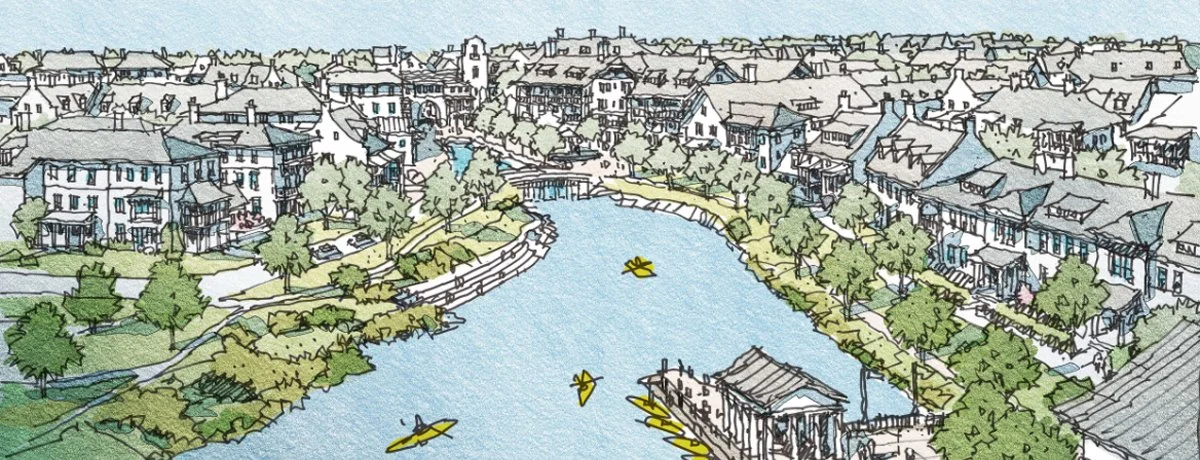
Our large land holdings mean we can dedicate 60 percent of our acreage for productive agricultural areas, open plazas and public spaces, and natural conservation—with the remaining 40 percent being transformed into San Jacinto Ranch’s towns, villages, hamlets, and commercial areas.
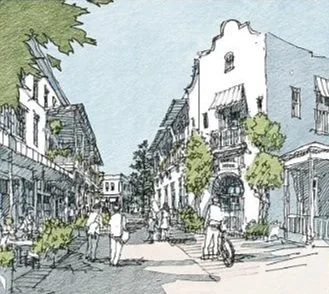
This approach protects the majority of our land and San Jacinto County’s rural heritage, while building beautiful places for Texans in all phases of life.
We’re offering a fresh approach to growth and a better quality of life, not more sprawl.
Our Core Principles

Protect the Land We cherish the rural character and natural beauty of San Jacinto County—from farm and forest, to lake and ravine, to ranch and game. We are starting with a plan to build upon the County’s unique strengths, including the neighboring Sam Houston National Forest, Lake Livingston, and the beautiful rolling topography. Our large holdings mean we can dedicate as much as 60 percent of our acreage for forestry, farming, open plazas and public spaces, and natural conservation.

PRODUCTIVE LANDSCAPESOur roots are in forestry and in long-term thinking. We are committed to the long-term care and improved stewardship of our soils, forests, and open lands. We believe the true value of a region starts with healthy soil, and that our silvicultural and agricultural practices should build the health and resilience of our community.

ECOLOGICAL STEWARDSHIPHealthy and productive farms and forests, resilience, and beauty are all inextricably linked. Our natural systems will form the backbone of our preserved lands, creating a meandering network of tree cover and open space, allowing wildlife to flourish.

Our LONG-TERM VISIONWe’re committed to making San Jacinto Ranch the best place it can be. We’re patient, we’re going to be here for a long, long time, and we move carefully to try to minimize mistakes.

PlacemakingOur mission is to build beautiful places. We have studied the history of town building in America and around the world. We are trying to implement the clear lessons of the past, add in our scale, and adjust for new innovations of the present. This has resulted in a fresh approach to land management, town building, design, and placemaking.

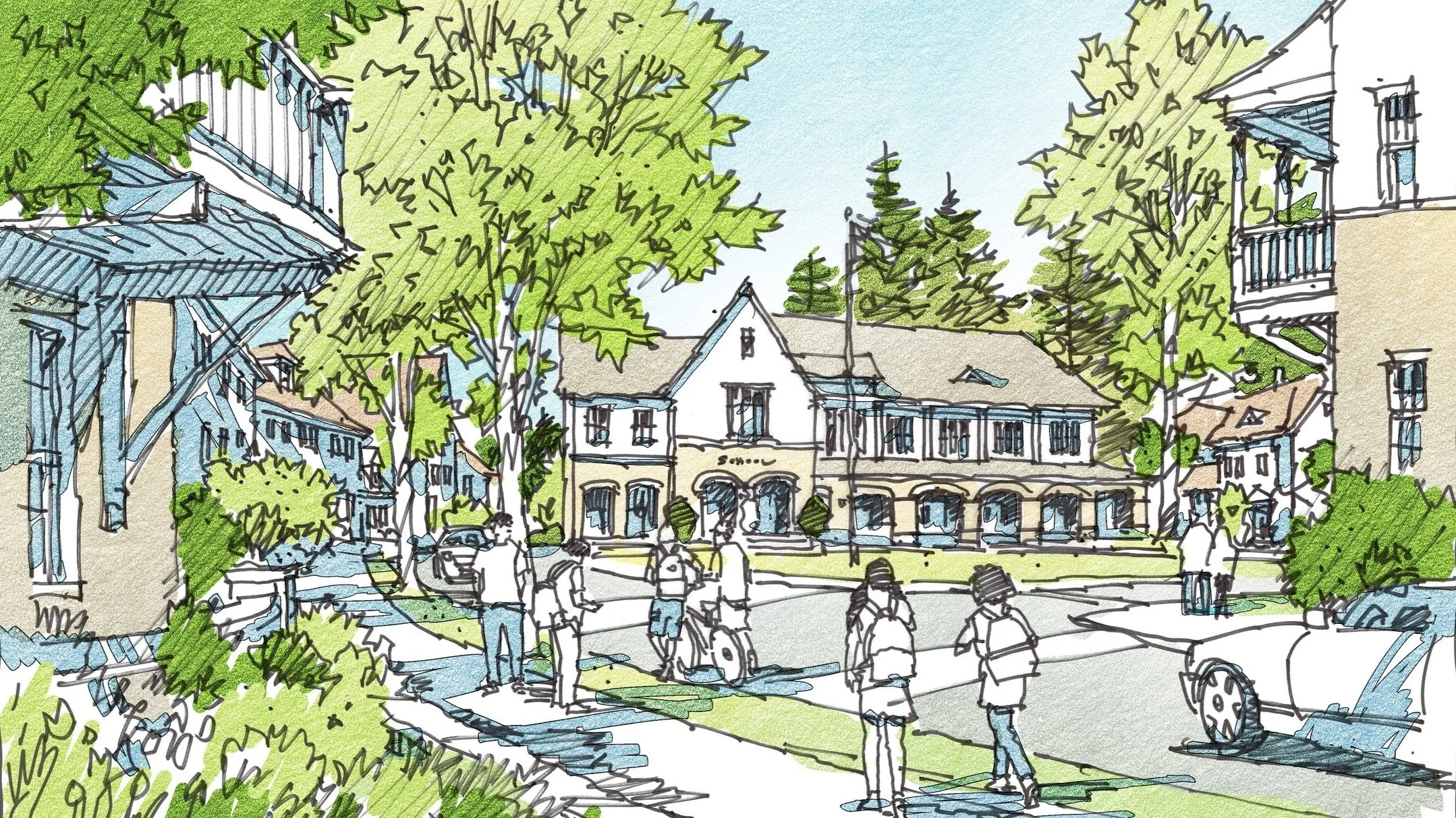
delightful density©We believe it is important to preserve the beauty of rural roads and accommodate growth by internalizing development in pedestrian-friendly towns. These towns will offer a variety of beautifully designed housing types and commercial buildings near interesting shops, restaurants, schools, and workplaces. Homes and floor plans will strive to protect privacy while offering access to all the community offers.

WalkabilityTo us, “walkability” means being able to walk to things you need and want such as grocery stores, schools, jobs, restaurants, coffee shops, parks— not just being able to take a walk without being run over, but a walk that you look forward to. Walkable towns are pleasant, healthy, and create a stronger sense of community. We want driving to be an enjoyable option, not a daily requirement.

No SprawlYears ago we looked around the country and saw the mess —the congestion, the sprawl, the endless strip malls and traffic lights, the nonstop parking lots, concrete, and long commuting times — and said, there has to be a better way! We avoid sprawl by preserving large, beautiful countryside that runs right up to the edge of dense, vibrant, pedestrian-oriented towns designed for people.
For illustrative
purposes only
Can’t wait to get here. Never want to leave.
Our Story
Years ago, we looked around the country and saw the mess —the congestion, the sprawl, the endless strip malls and traffic lights, the nonstop parking lots, concrete, and long commuting times — and said, there has to be a better way!
We studied the history of town building in America and around the world. We studied the scale of places that feel comfortable. We looked at places of beautiful density. We looked at rural villages and towns with great main streets, farms, and nature.
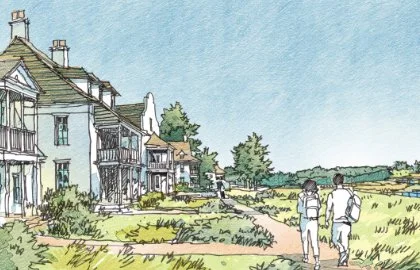
The things that spoke to us were large, beautiful lands running right up to the edge of dense, vibrant, pedestrian-oriented towns designed for people. We realized there is a different way!
For illustrative purposes only
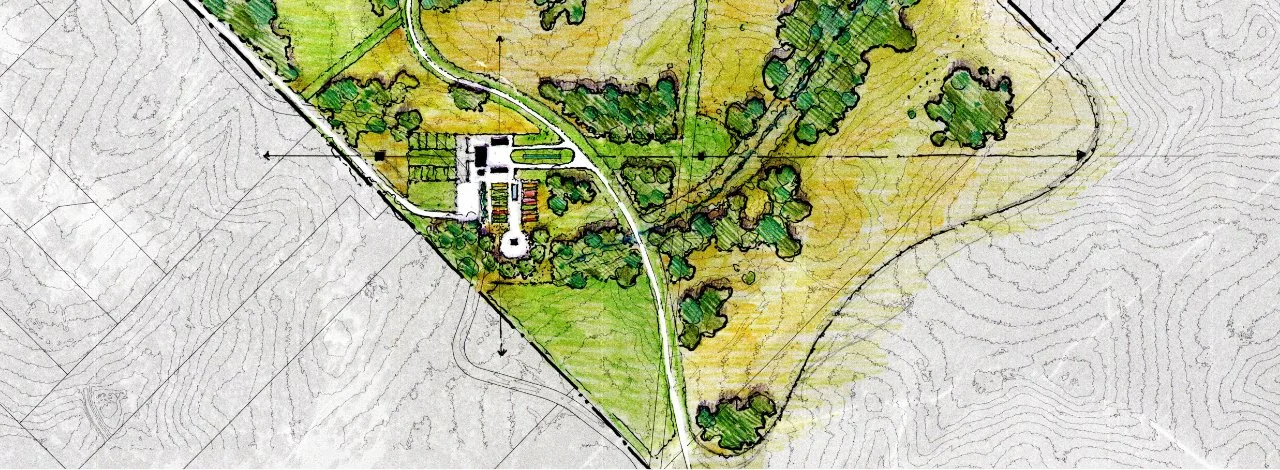
Imagine attractive dwellings, lively plazas, and abundant retail and amenities all within walking distance of each other and surrounded by the beauty of nature. An environment of rolling hills, large-scale agriculture, and open spaces, abutting homes, retail, and other workplaces.
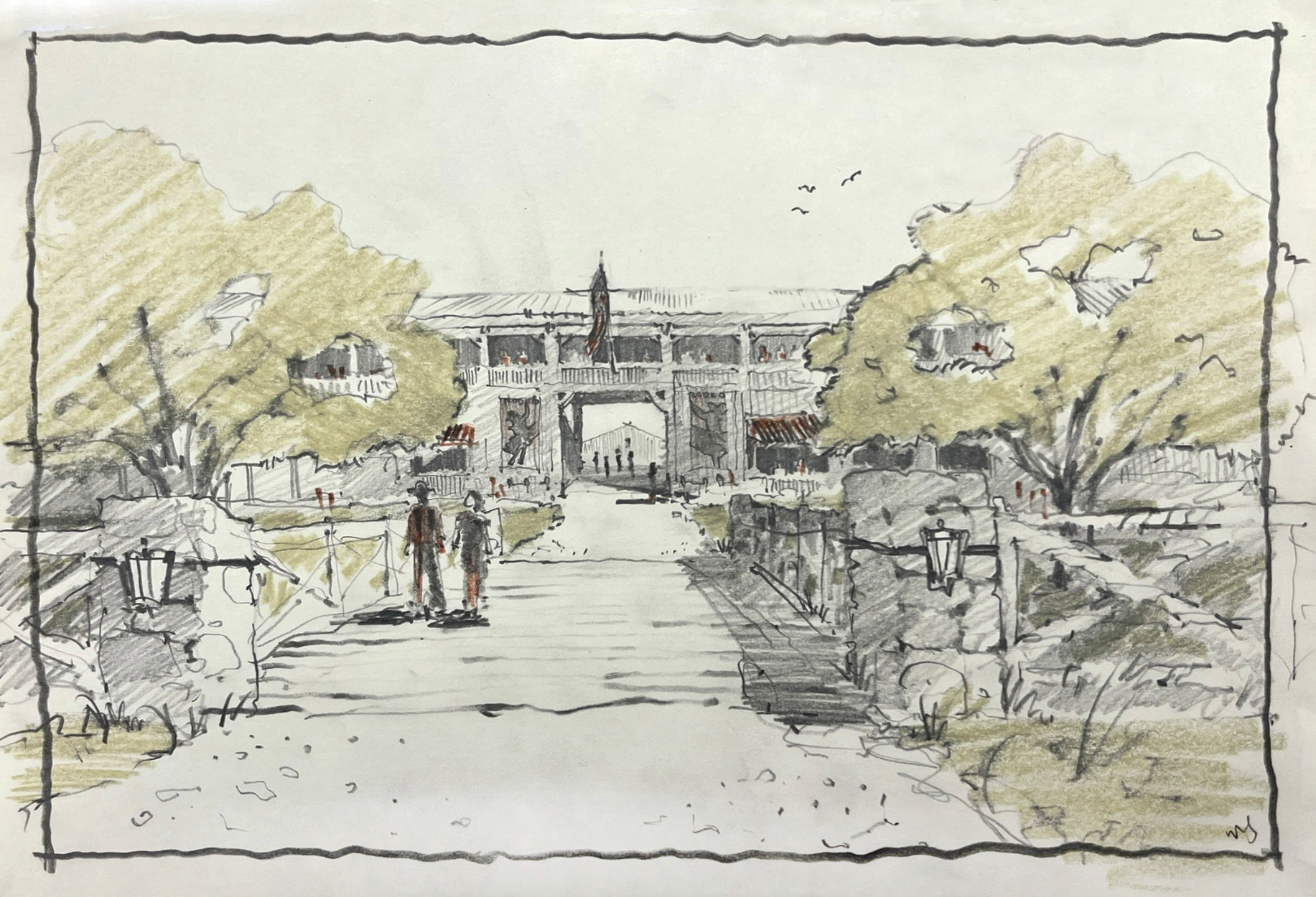
These are real towns with vibrant communities, jobs and businesses, great schools, and thoughtfully designed homes for hard-working people of different professions and stages of life.
This is the driving ethos behind our family-owned company, San Jacinto Ranch.

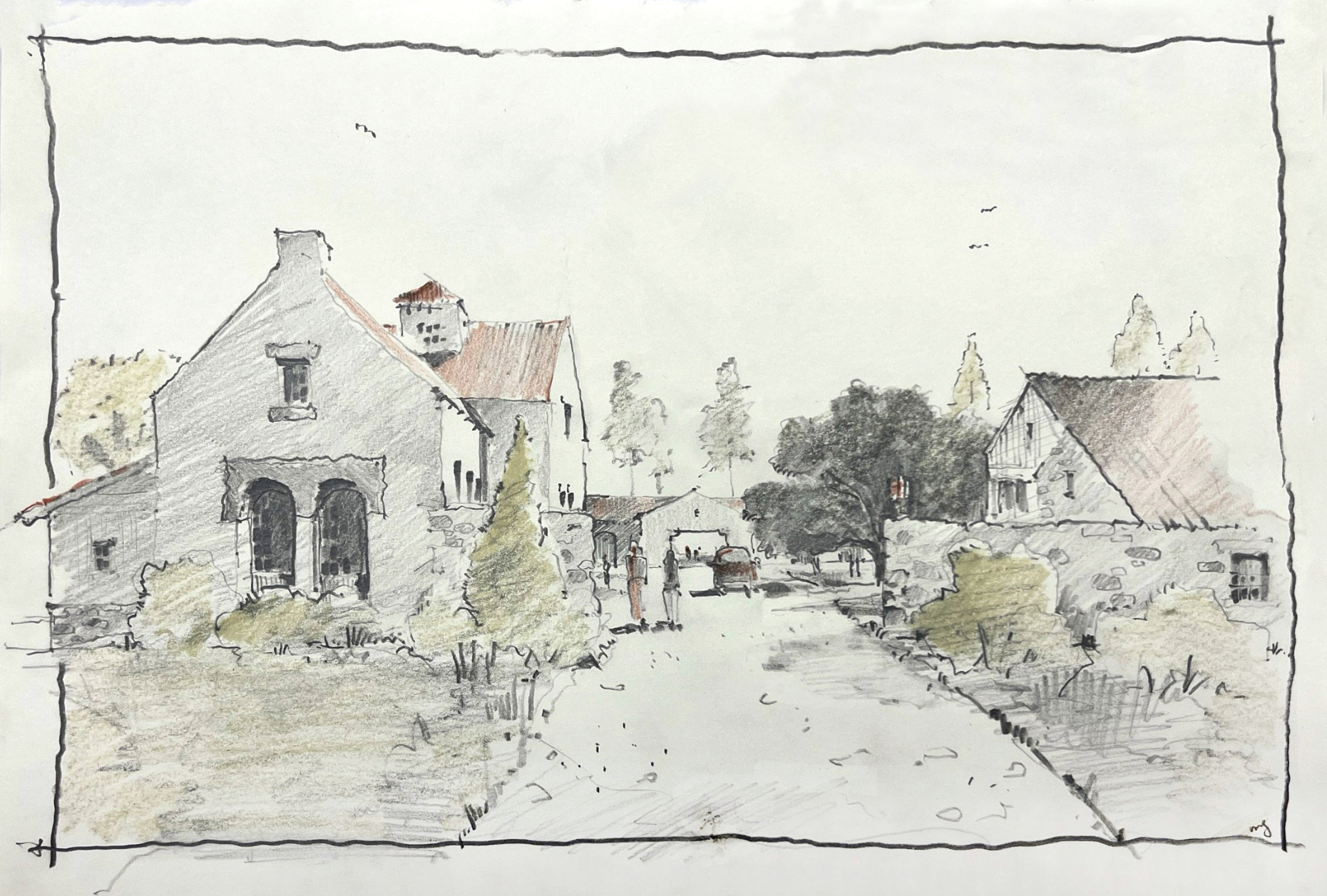
We have acquired significant land holdings in Texas and are working with local and other thoughtful partners who share our passion for creating a high quality of life for our residents.
Stewardship
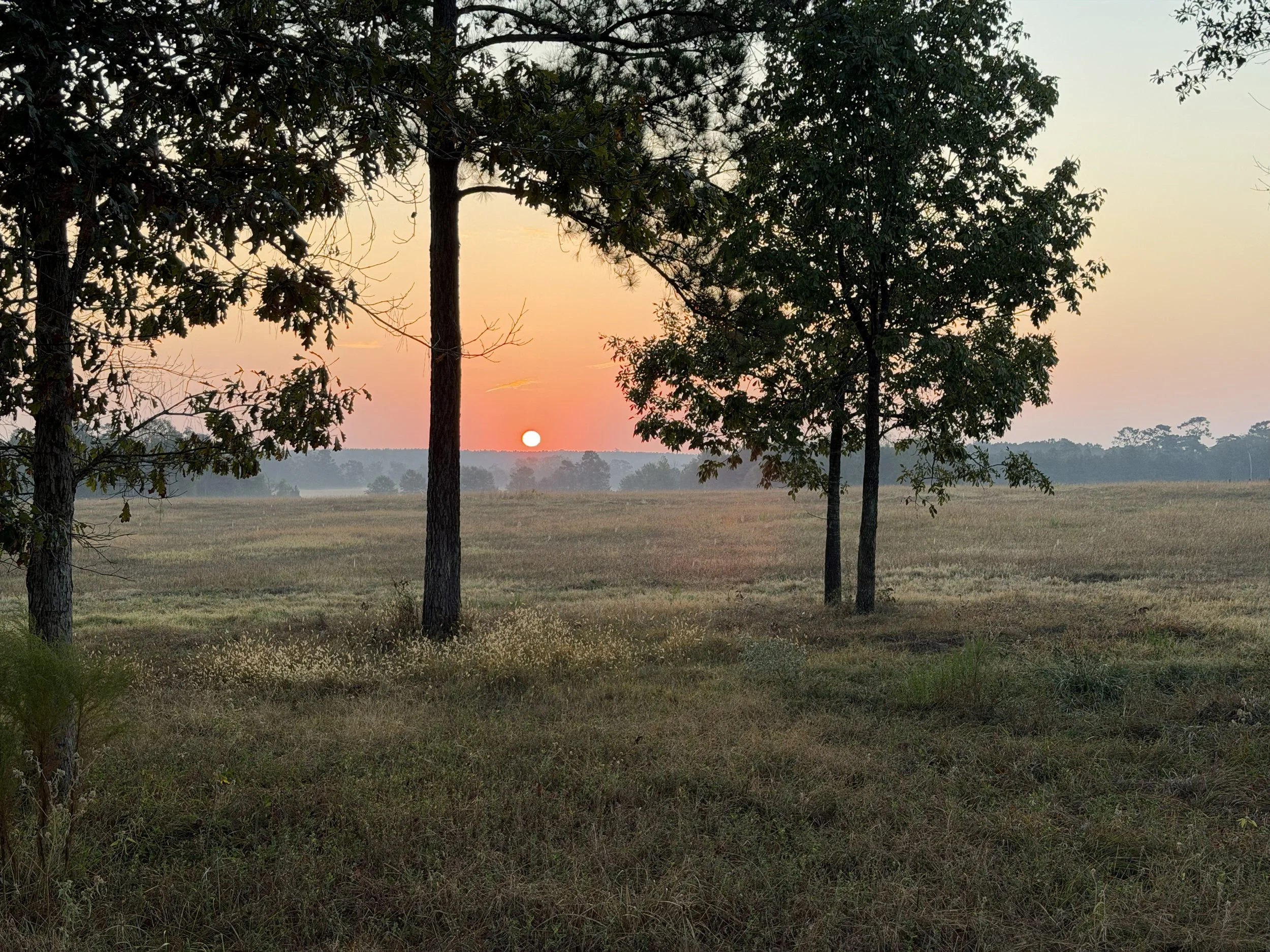
Access to nature is a vitally important factor for many people when choosing where to live. The health benefits, recreational opportunities, and sense of well-being that come with living in a beautiful natural environment are enormous. This lies at the heart of our vision for San Jacinto Ranch.
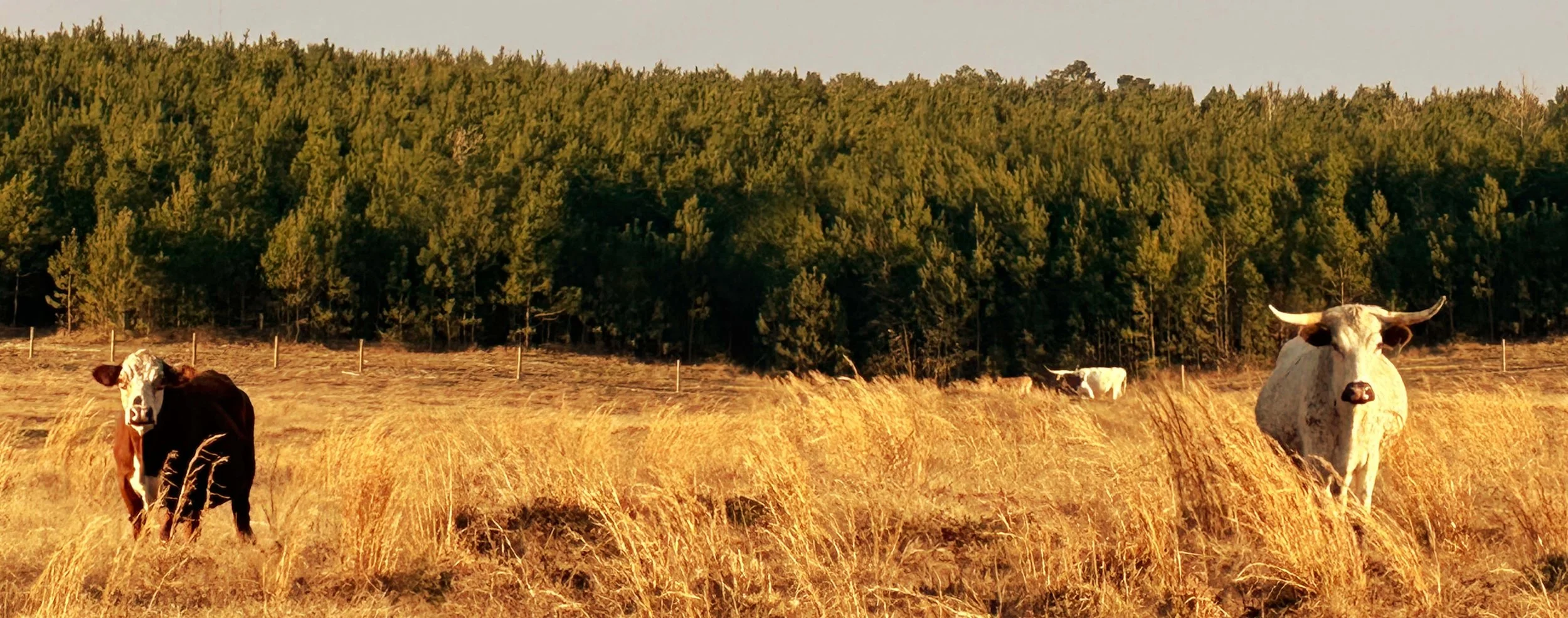
Our vision for stewardship isn’t about creating a development with some agriculture on the side — it’s about a landscape where soil, forests, cattle, communities, and culture all work together to create special places. It’s regenerative agriculture scaled up—not just a strategy to manage land, but to preserve our regional identity, enrich our towns, and improve our economic engine.
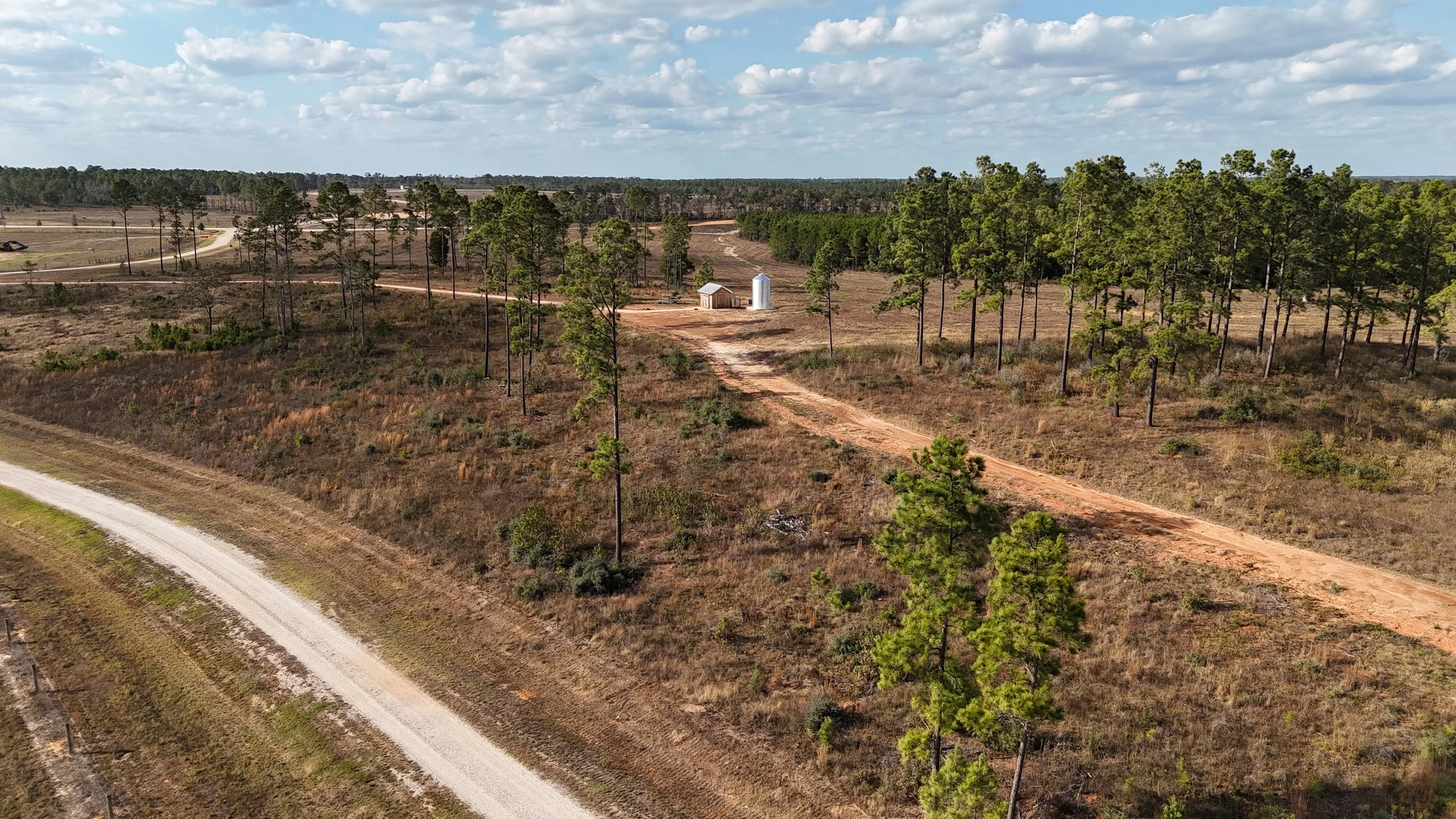
The Ranch
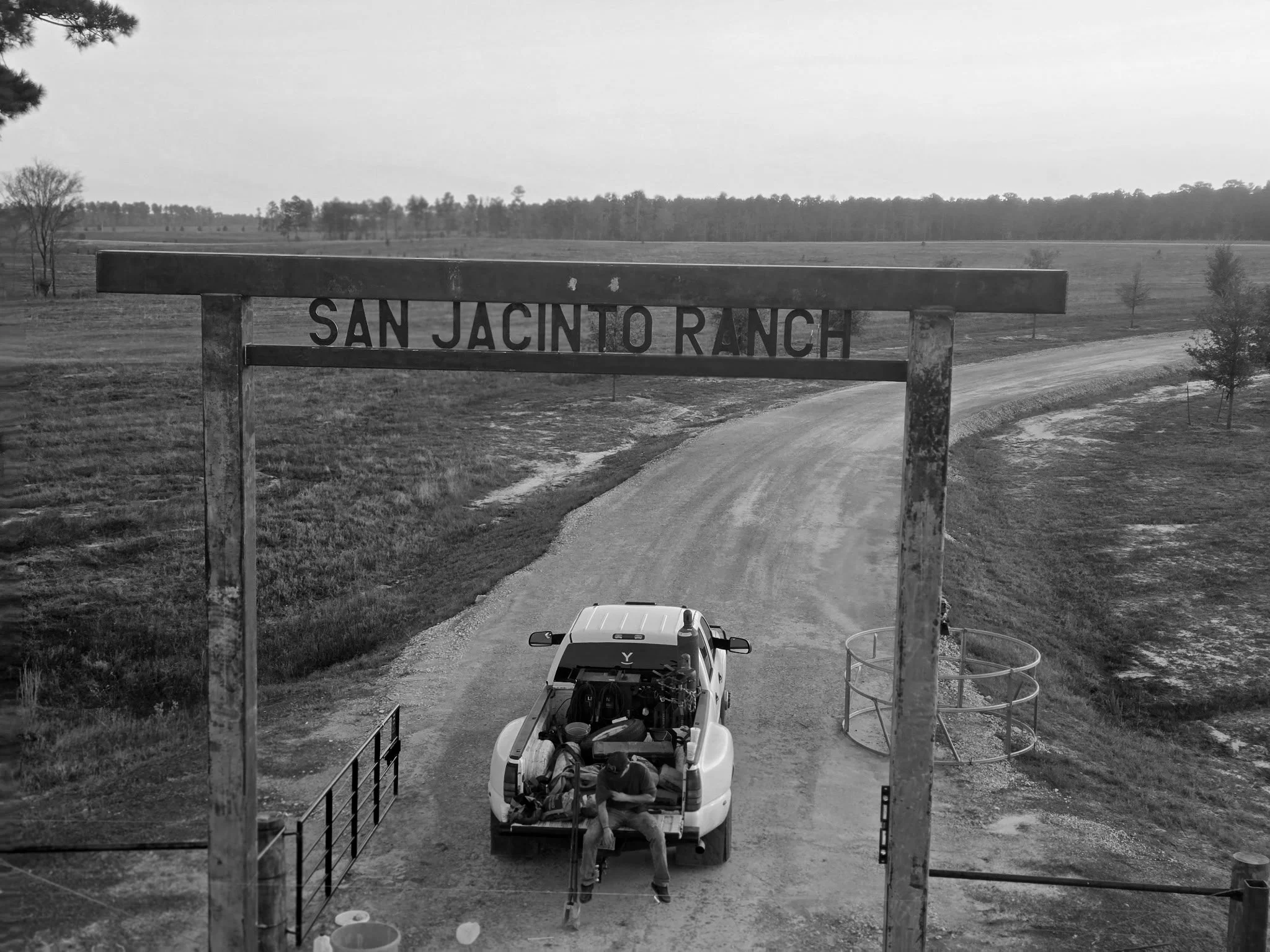
It all begins with the ground beneath us. If nothing else, our legacy should be measured in soil. Improving soil quality is not just an agricultural practice; it is an investment in long-term land value, ecological resilience, and nutrient security.
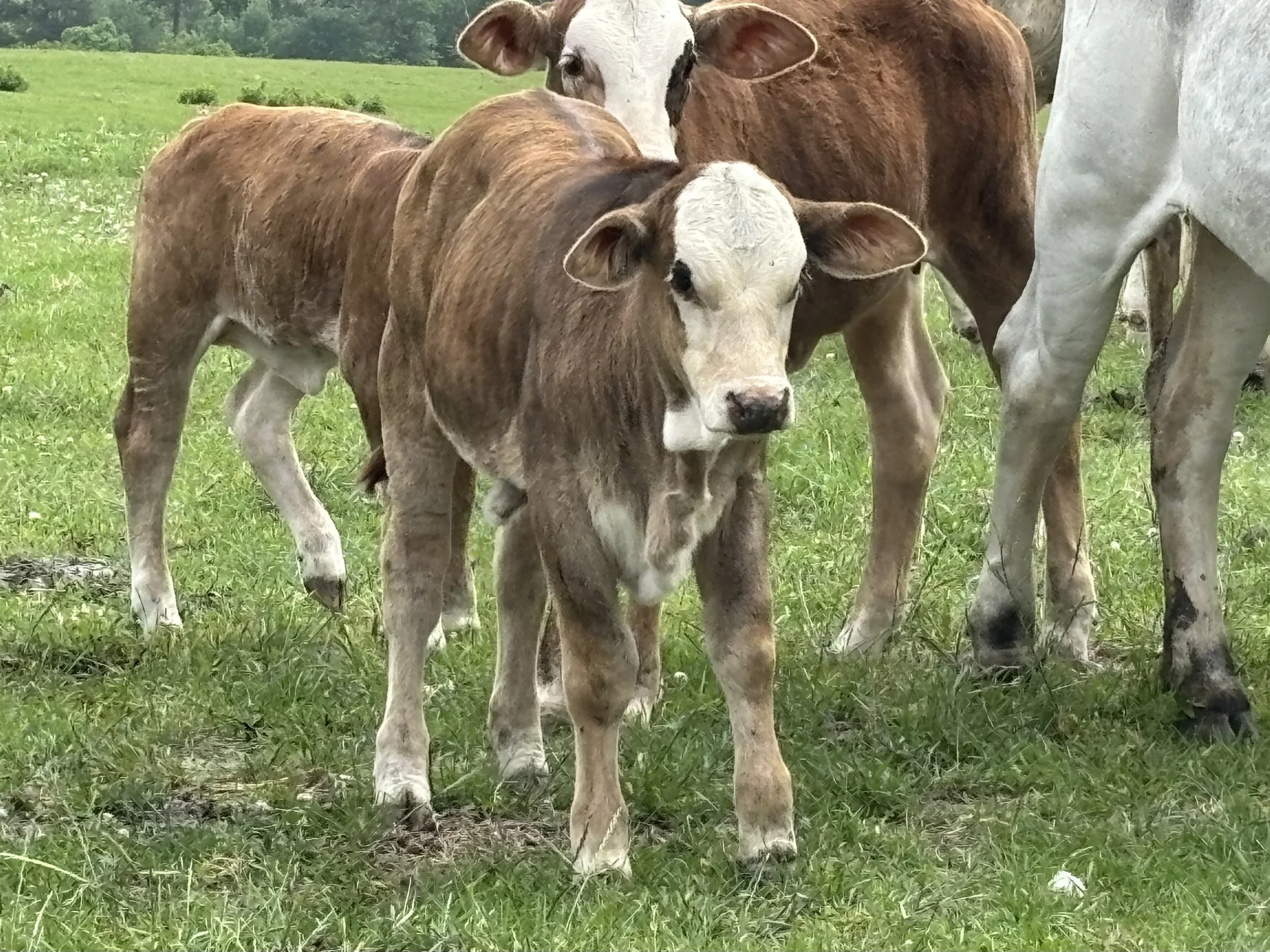
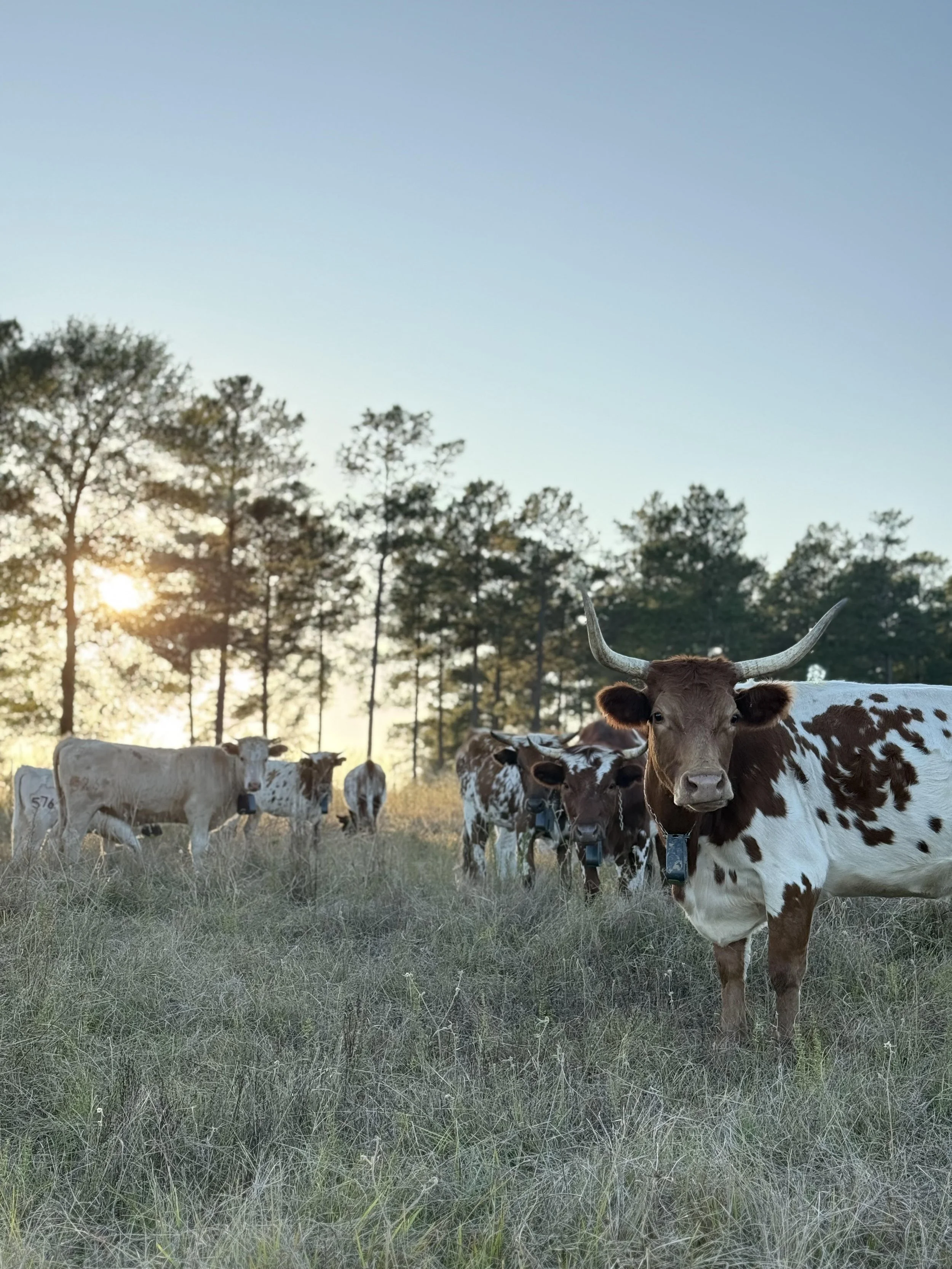
Pastureland for Registered Cattle
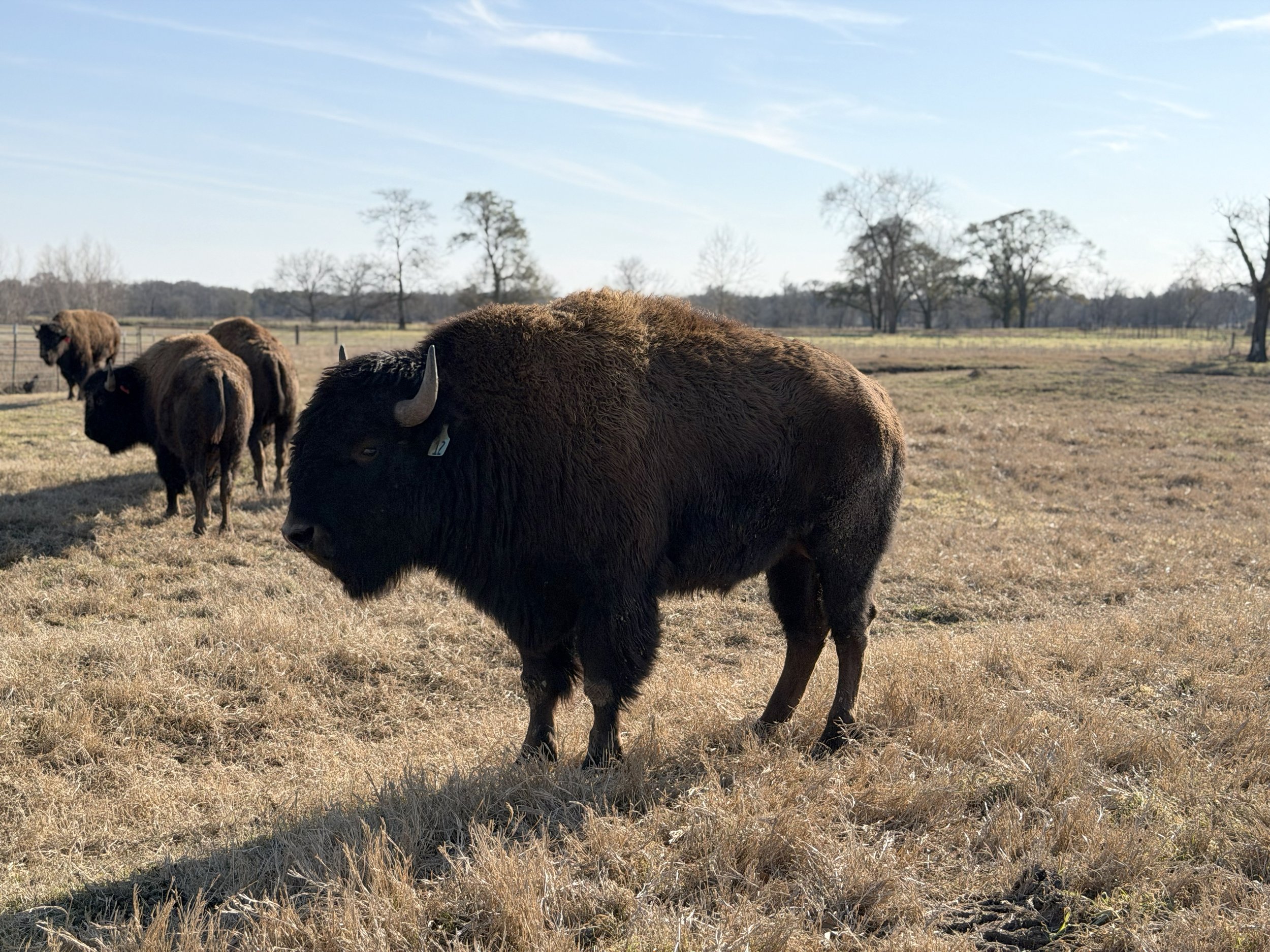
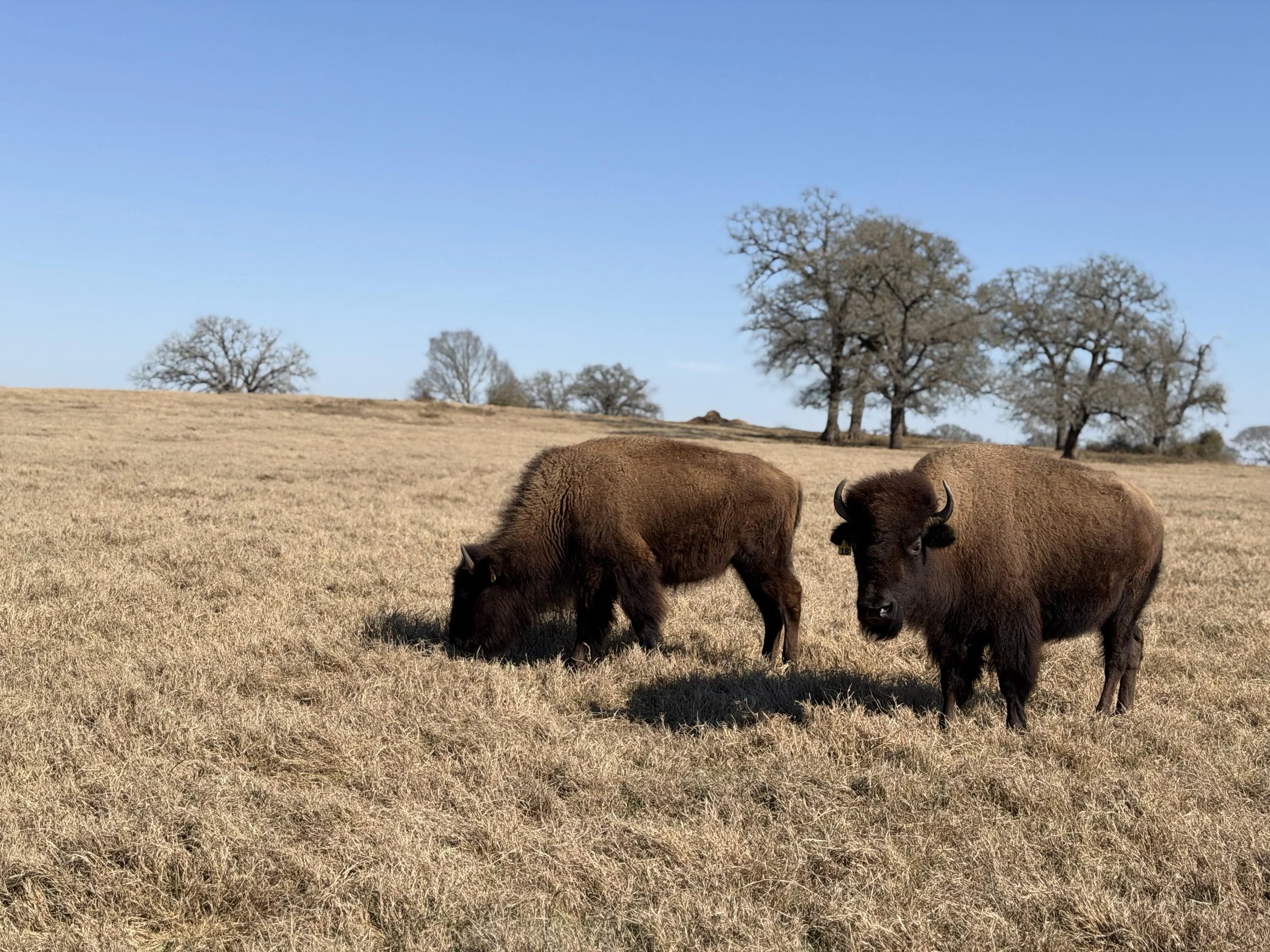
Preserving the Southern Bison Herd
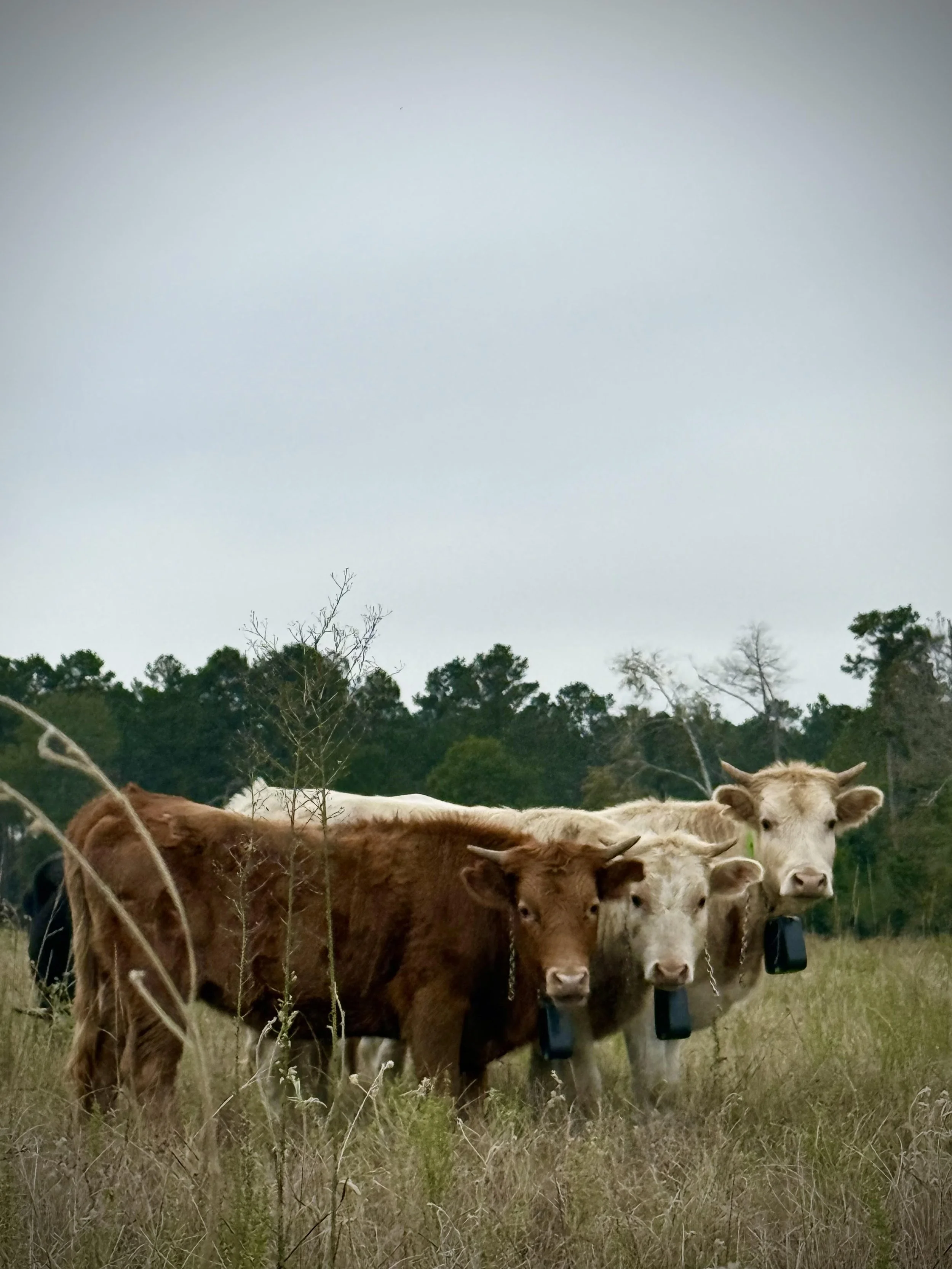
Pineywoods Cattle as Stewards of the Forest
San Jacinto Ranch proudly supports



Cattle and bison are not merely livestock, but ecological partners.
Pineywoods cows act as a living maintenance crew, registered cattle generate revenue, and bison restore a wilder, deeper grazing rhythm across the land. Together, they form a regenerative system that boosts biodiversity, restores ecological health, increases topsoil production, improves economic resilience, and is built to endure.
10,000 grazing acres
by the end of 2026
The Forest
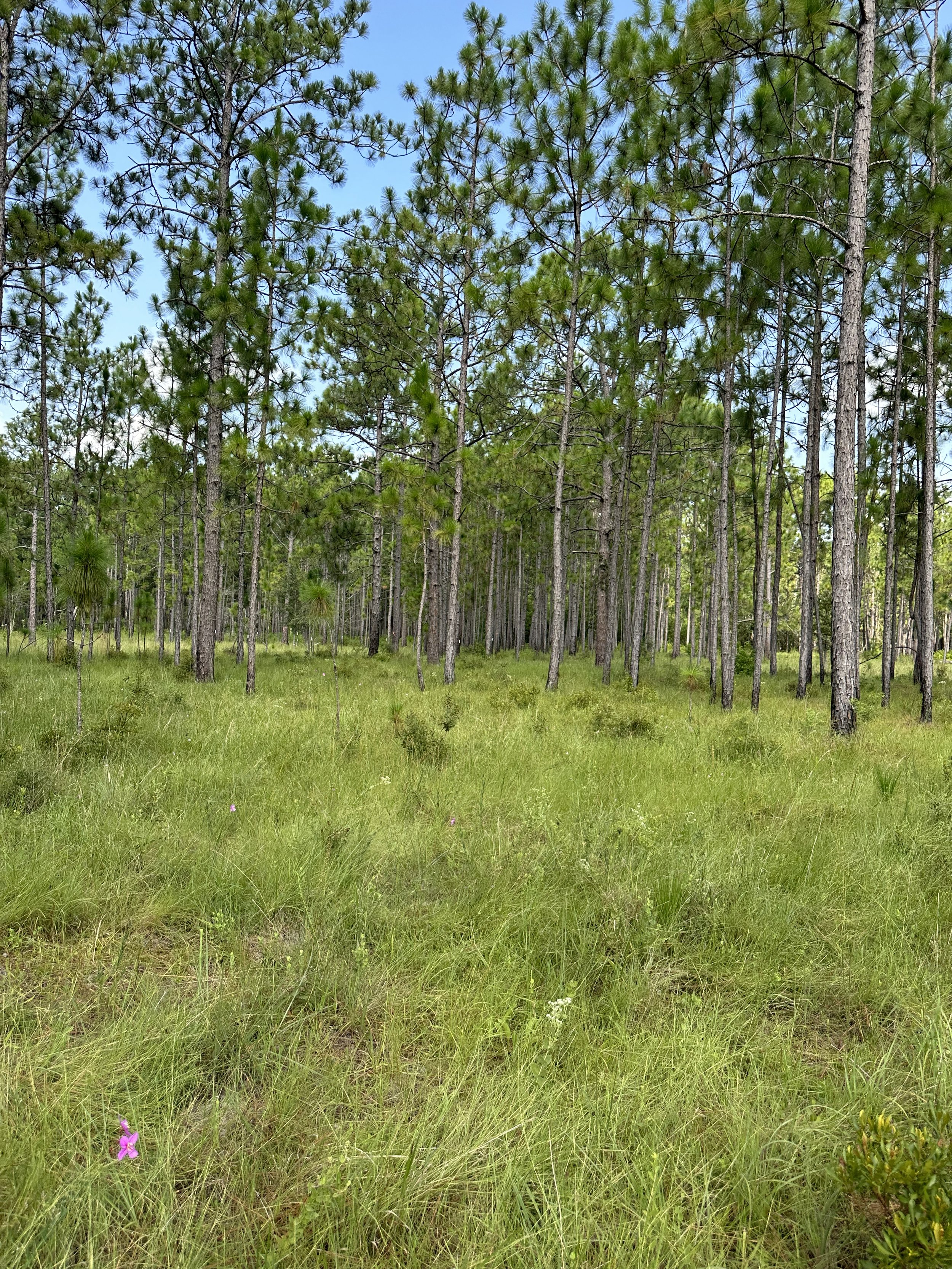
1,500 acres of longleaf forest restoration and much more to come
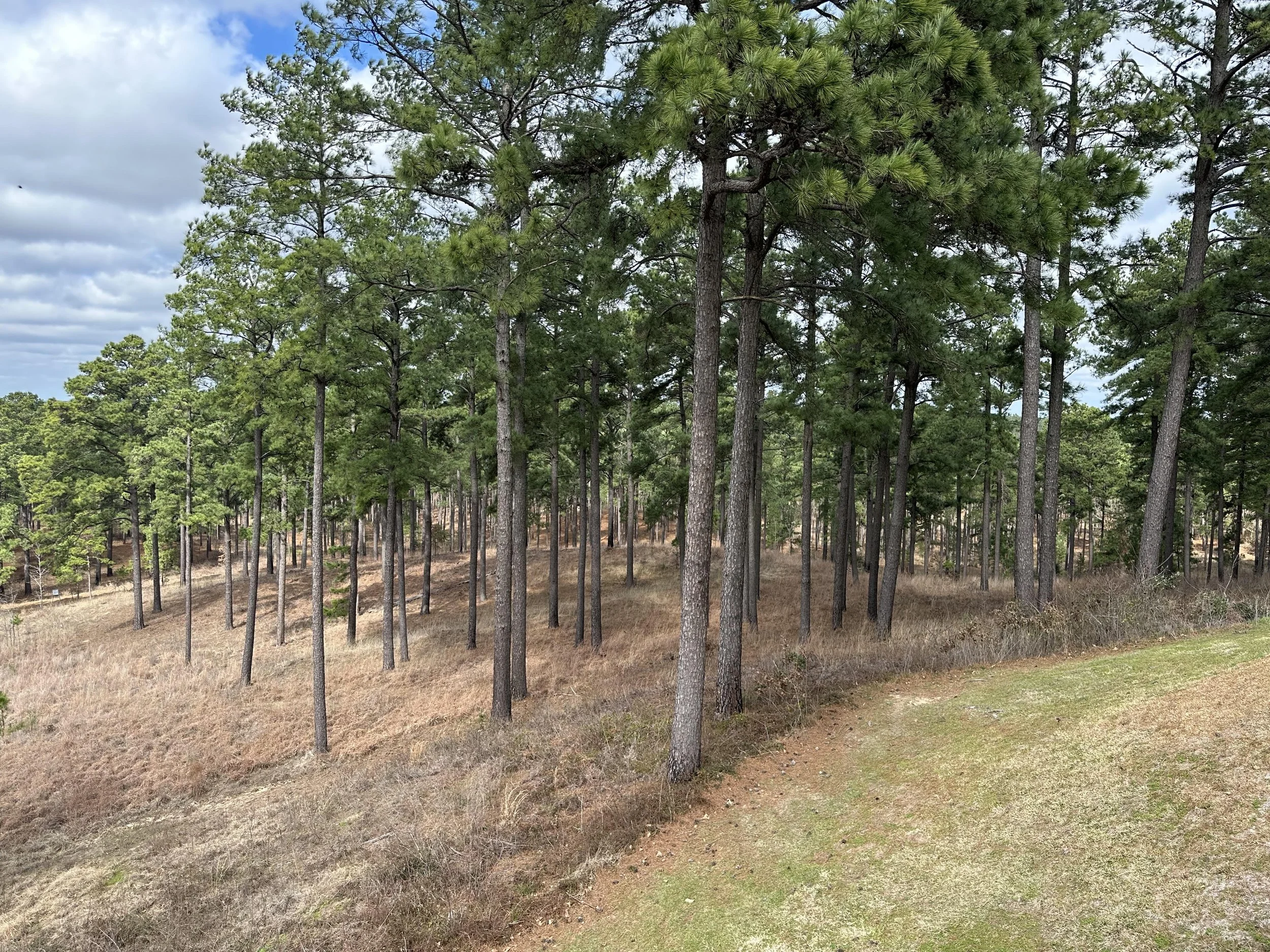

Natural Regeneration = Longer Cycles
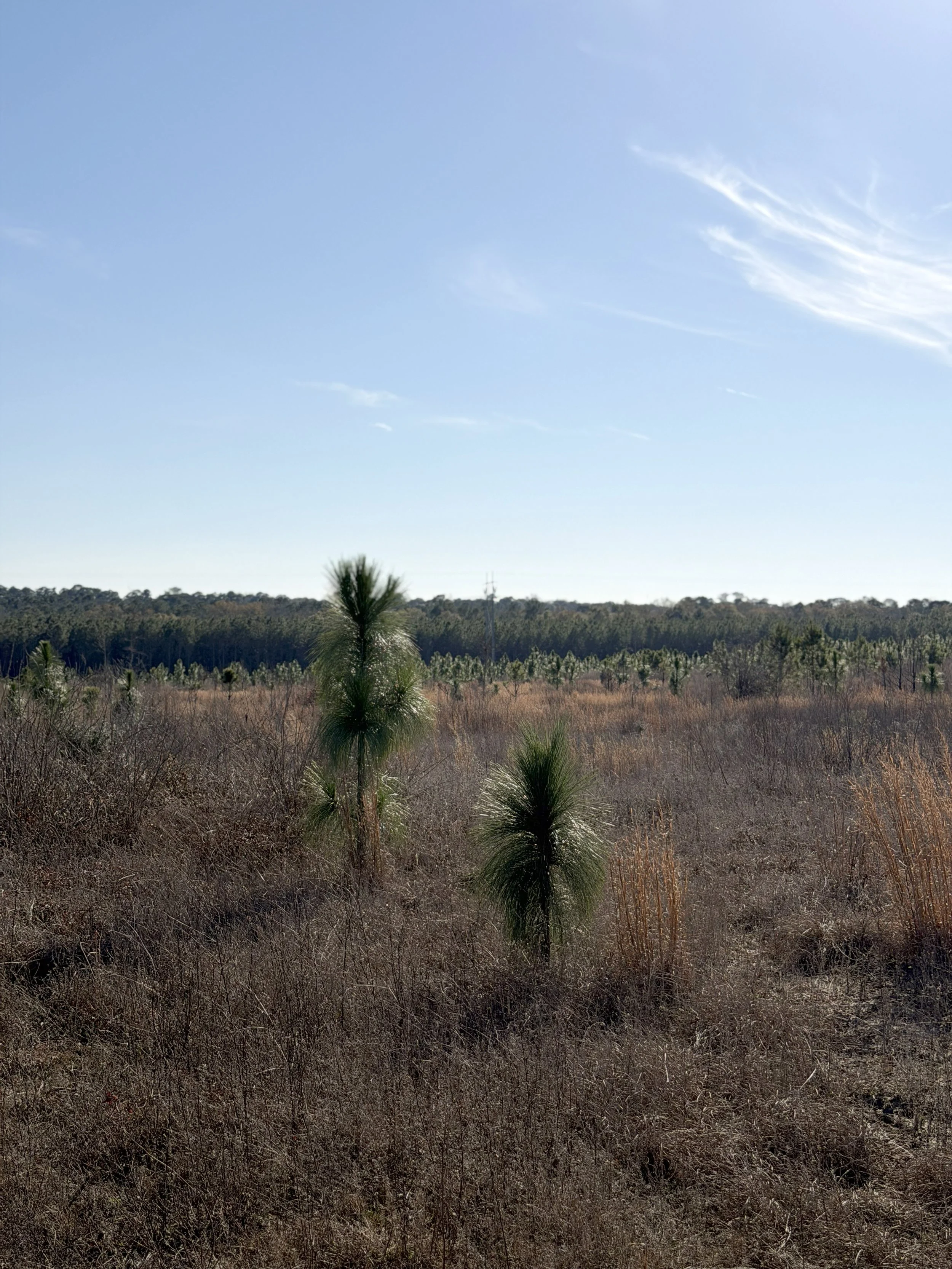

New Longleaf Savanna
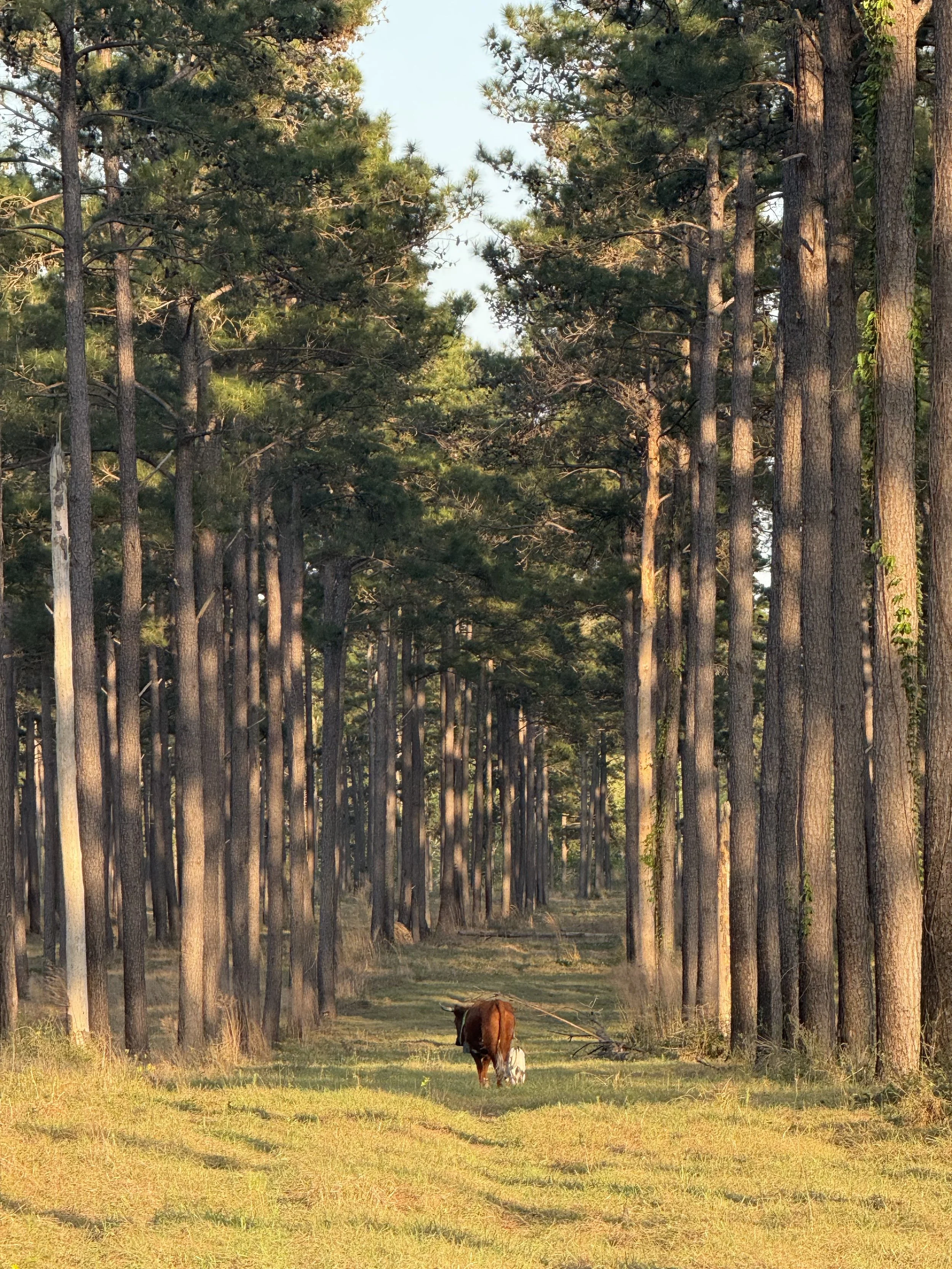
Forest Range Grazing with Pineywoods Cattle
We grow healthier, more valuable forests.
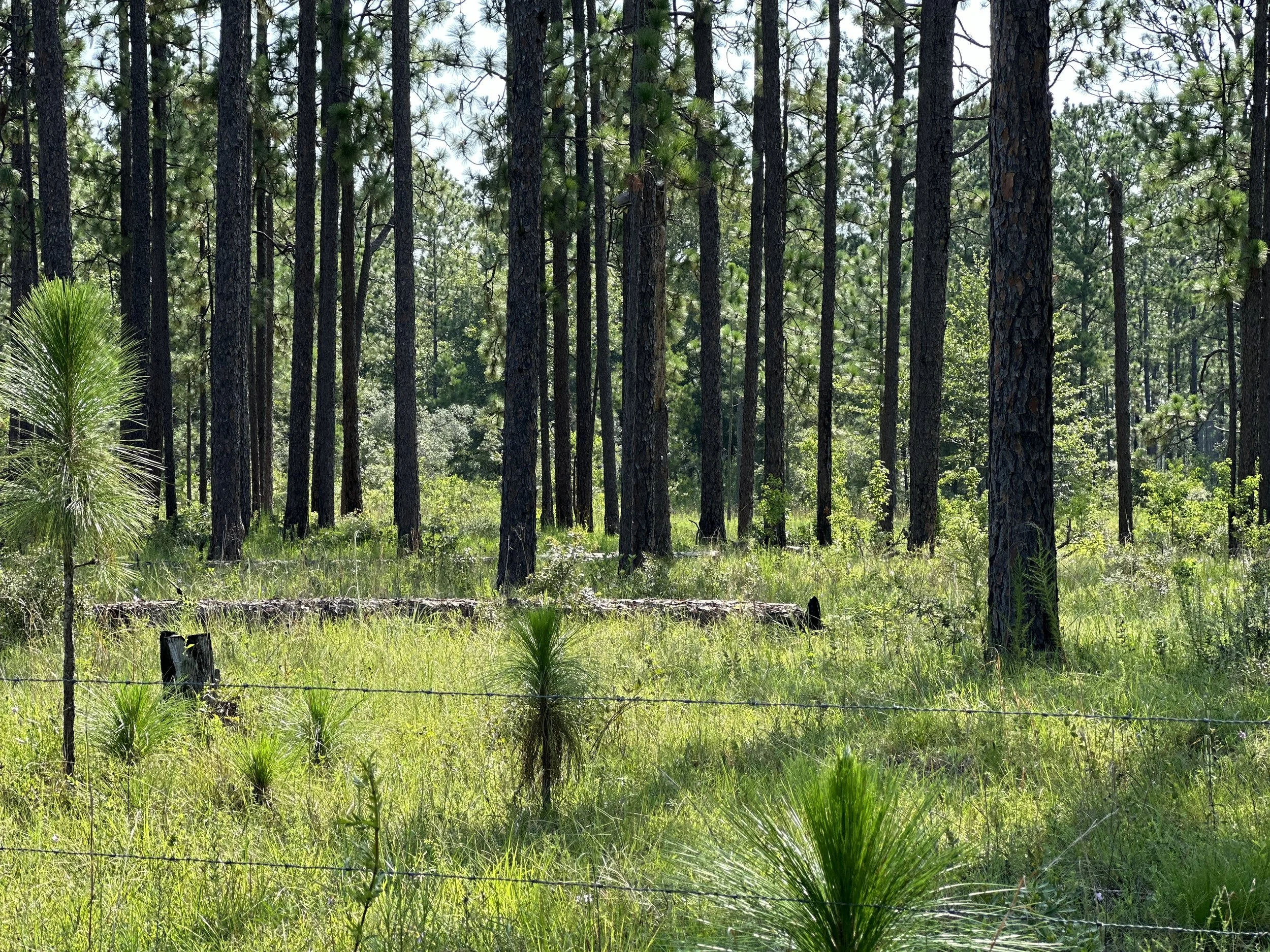
Restoring longleaf pine forests and managing loblolly plantations for natural regeneration and improved genetics, we grow healthier, more valuable forests that strengthen ecology, support the economy, and honor the historic rural character of San Jacinto County, Texas.
Lost Creek Hunt Club
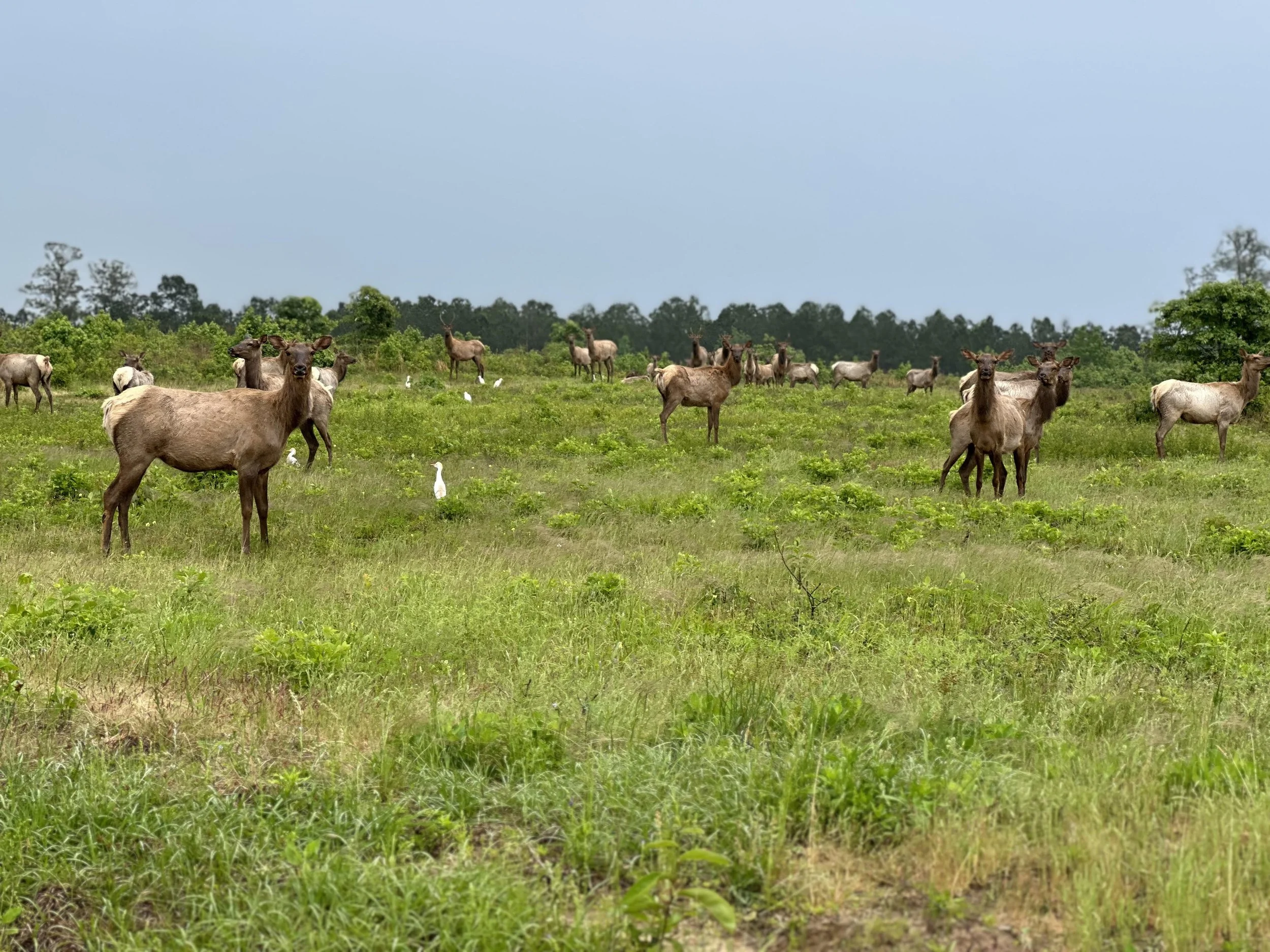
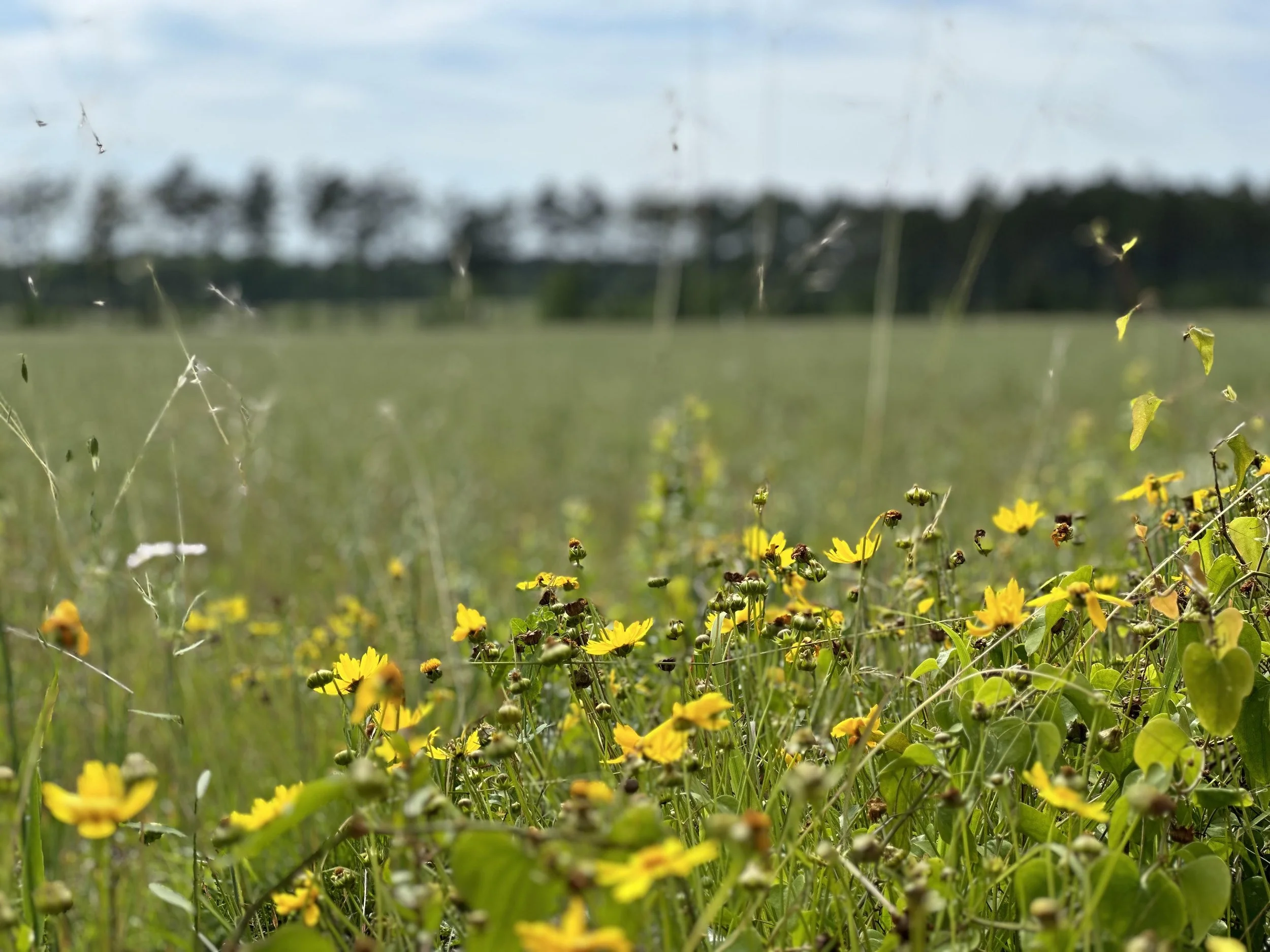
12,000 acres in transition to MLD / 900 acre high fence
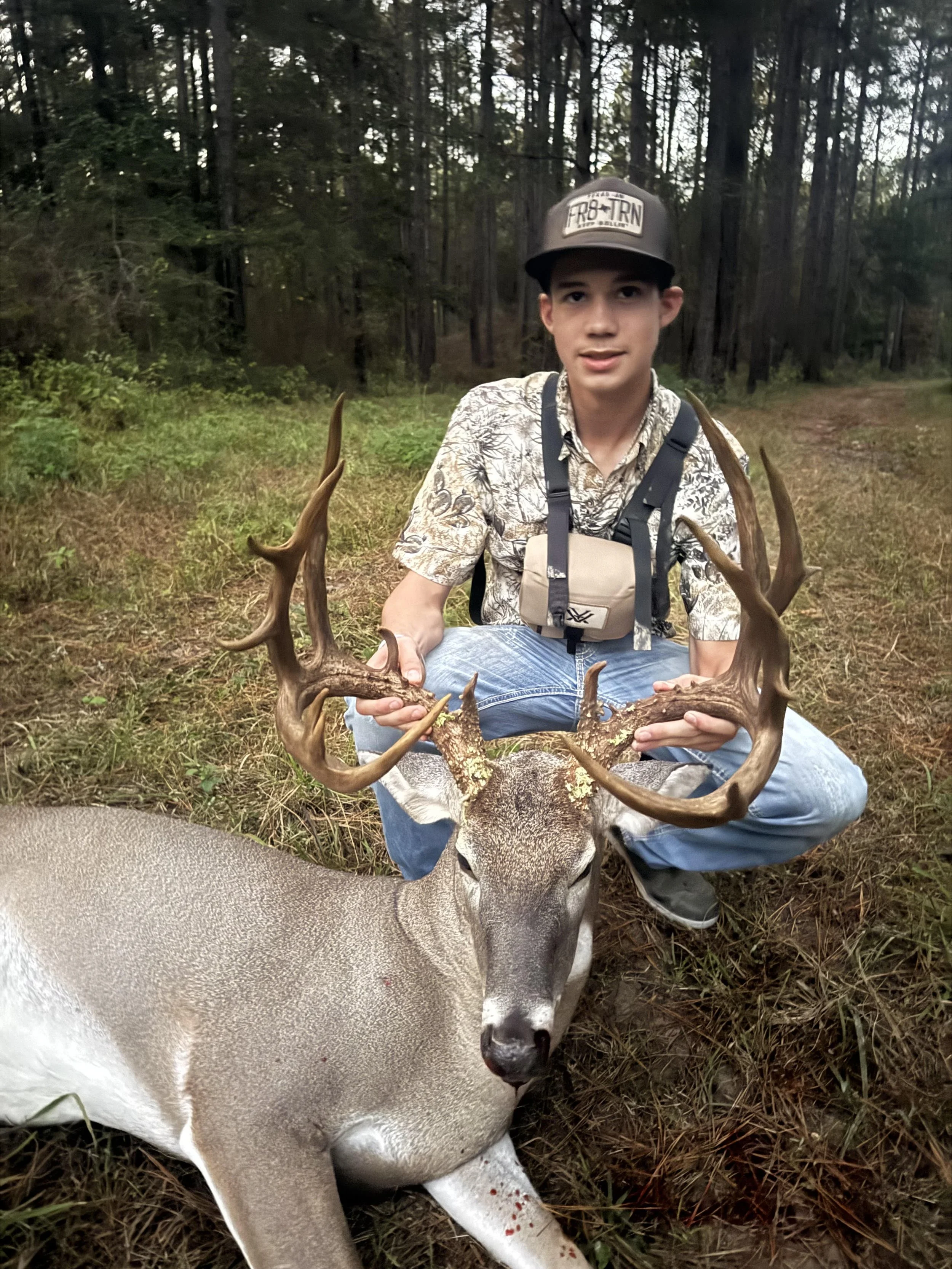
The Lost Creek Hunt Club, through the MLD Program and careful stewardship, manages deer to support thriving wildlife and flourishing native plant communities, creating resilient, diverse, and naturally beautiful landscapes.
Our San Jacinto Ranch Team
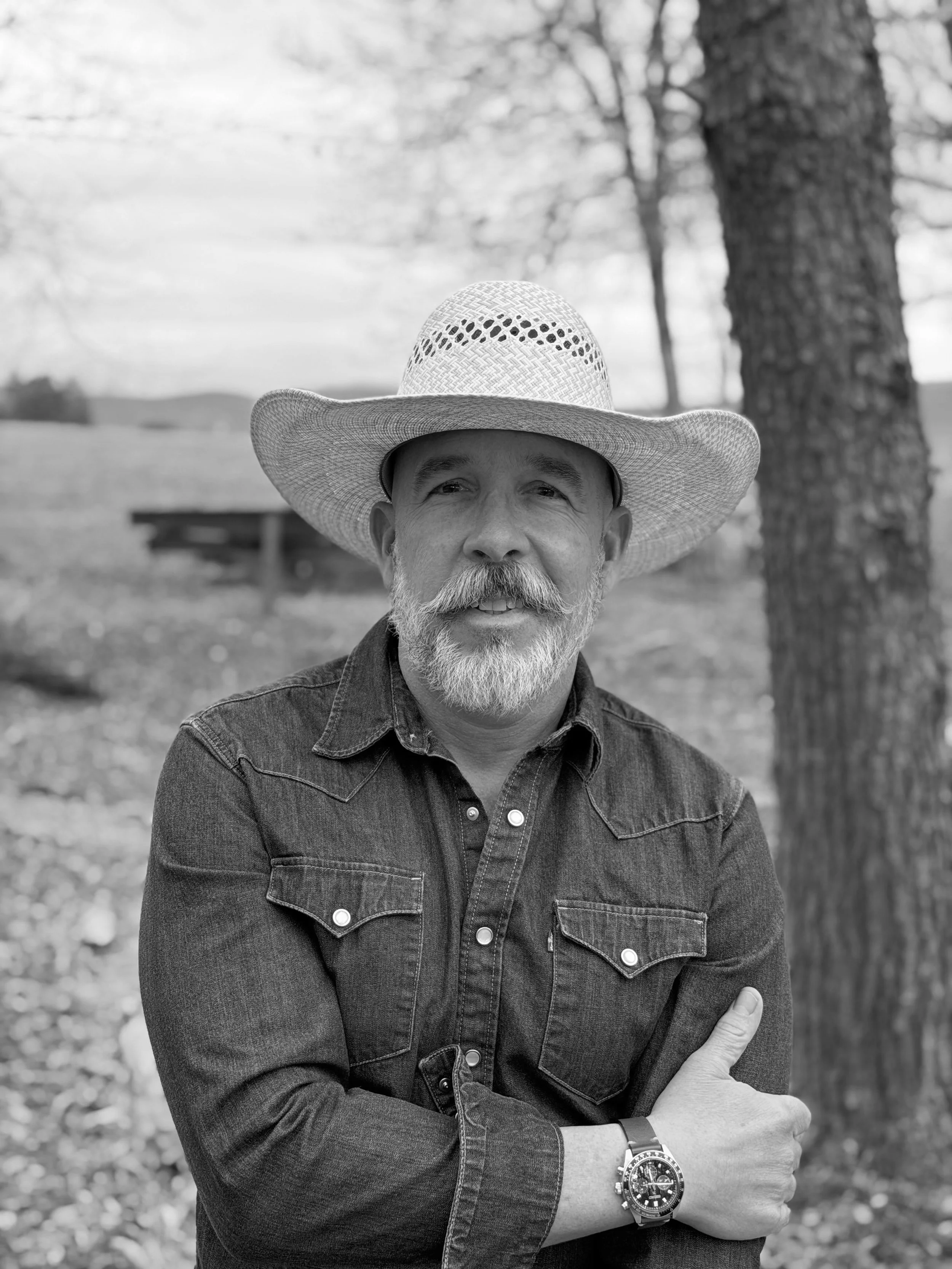
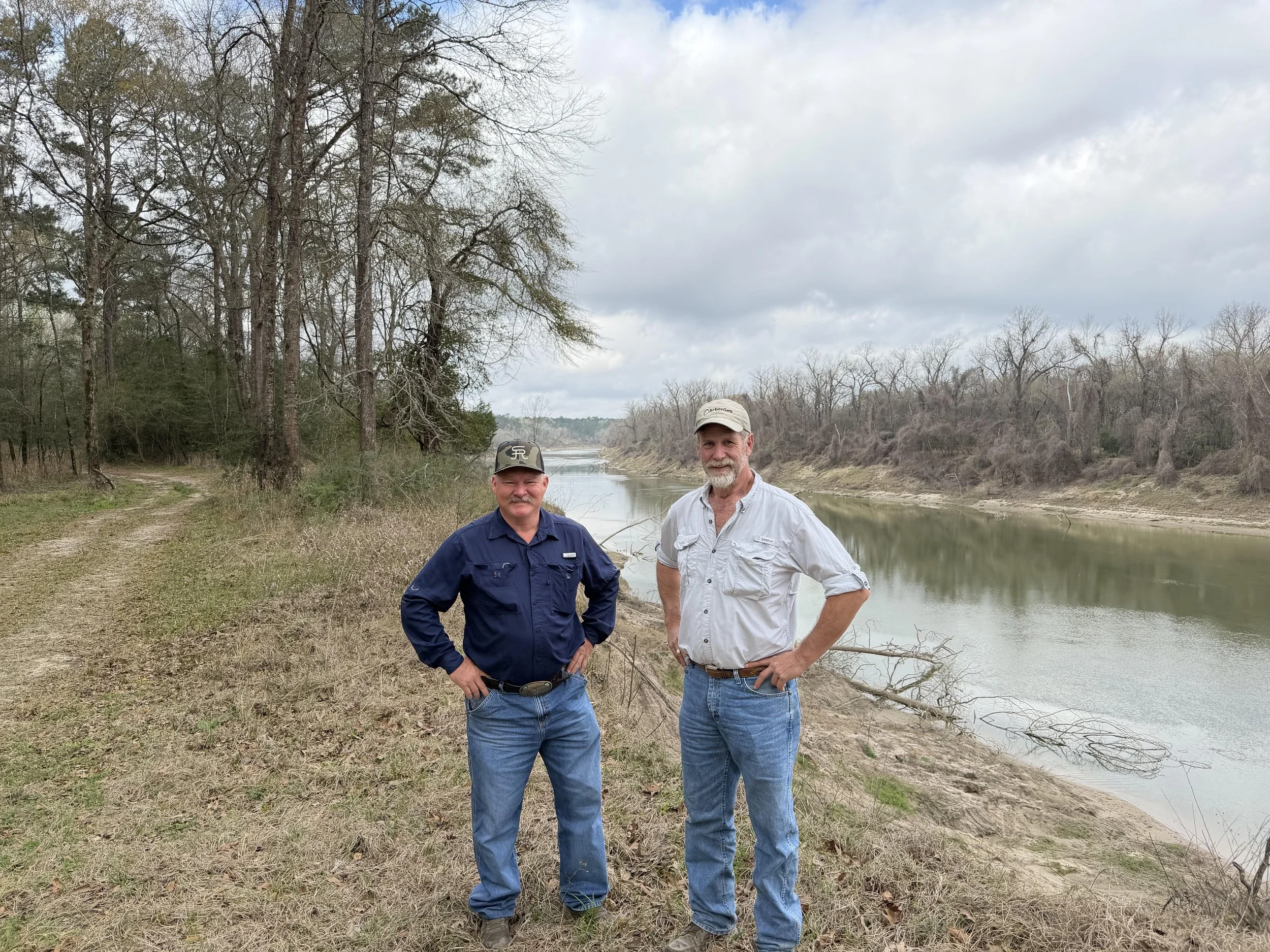
Jeremy B. Jordan
Landscape Architect, Stewardship Director
ranch manager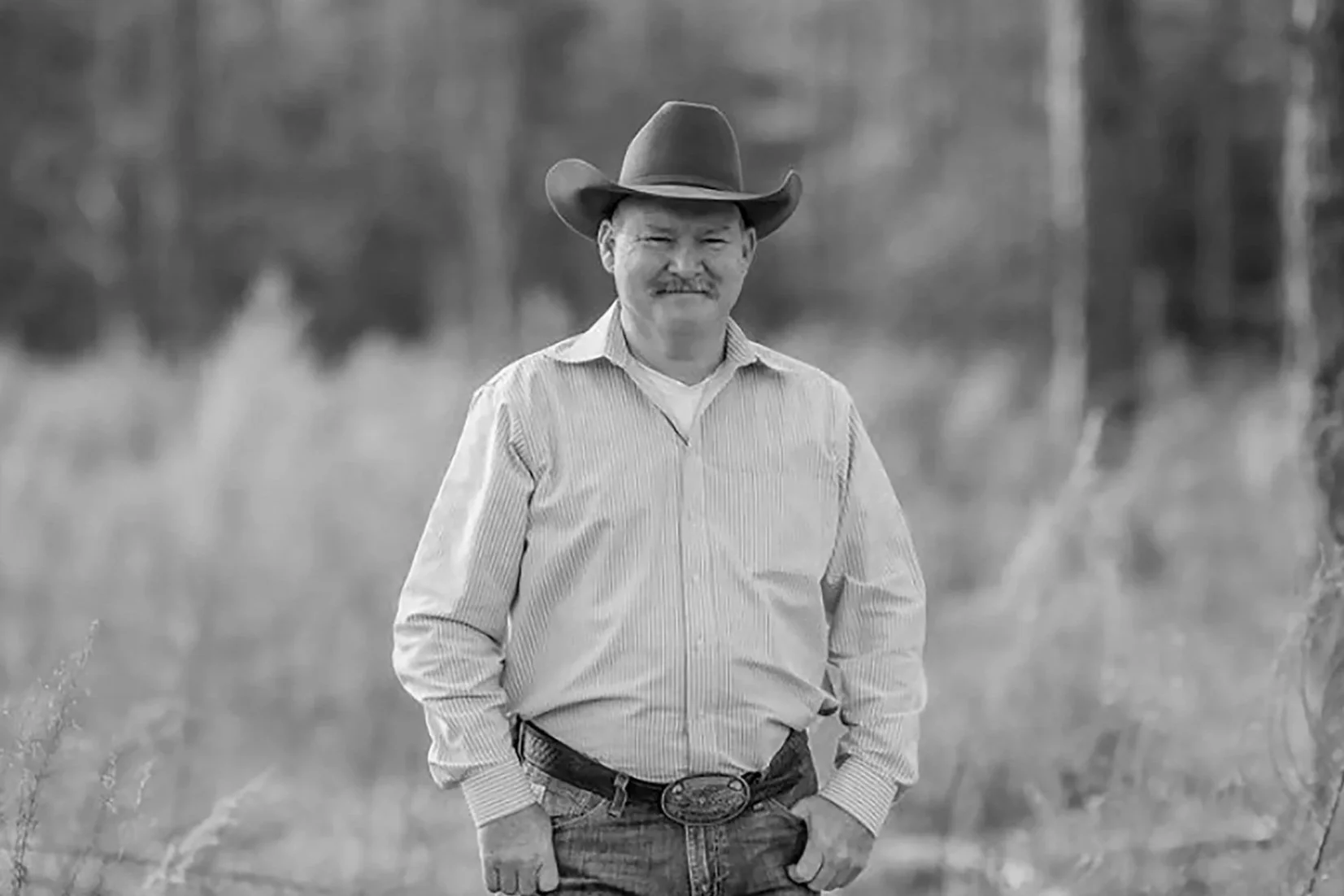
Johnny Don Watson
livestock managerRancher, Project Implementation, Ranch Lessee
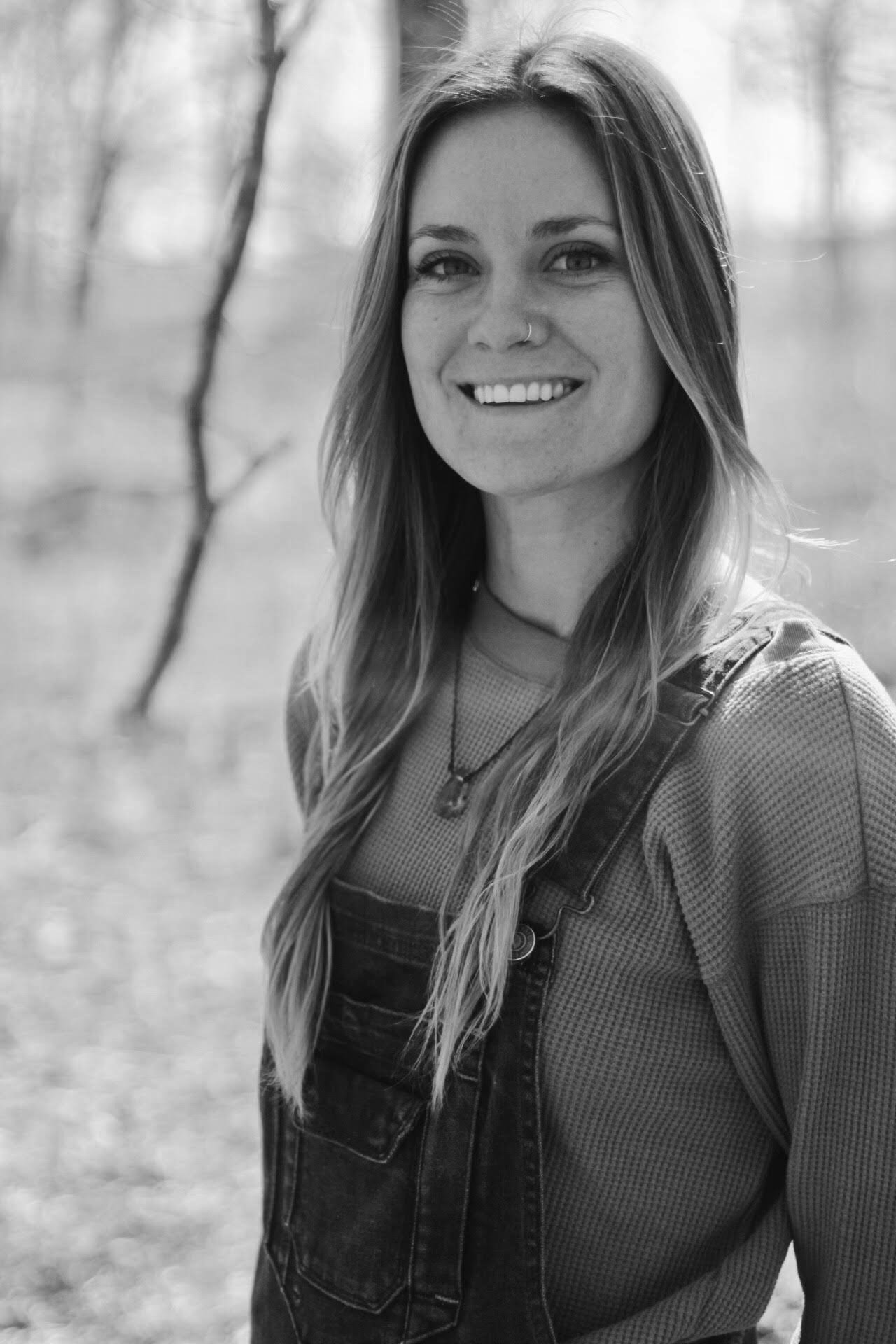
Farmer, Regenerative Agriculture Consultant
agriculture DirectorGabrielle “Gaabi” Hathaway
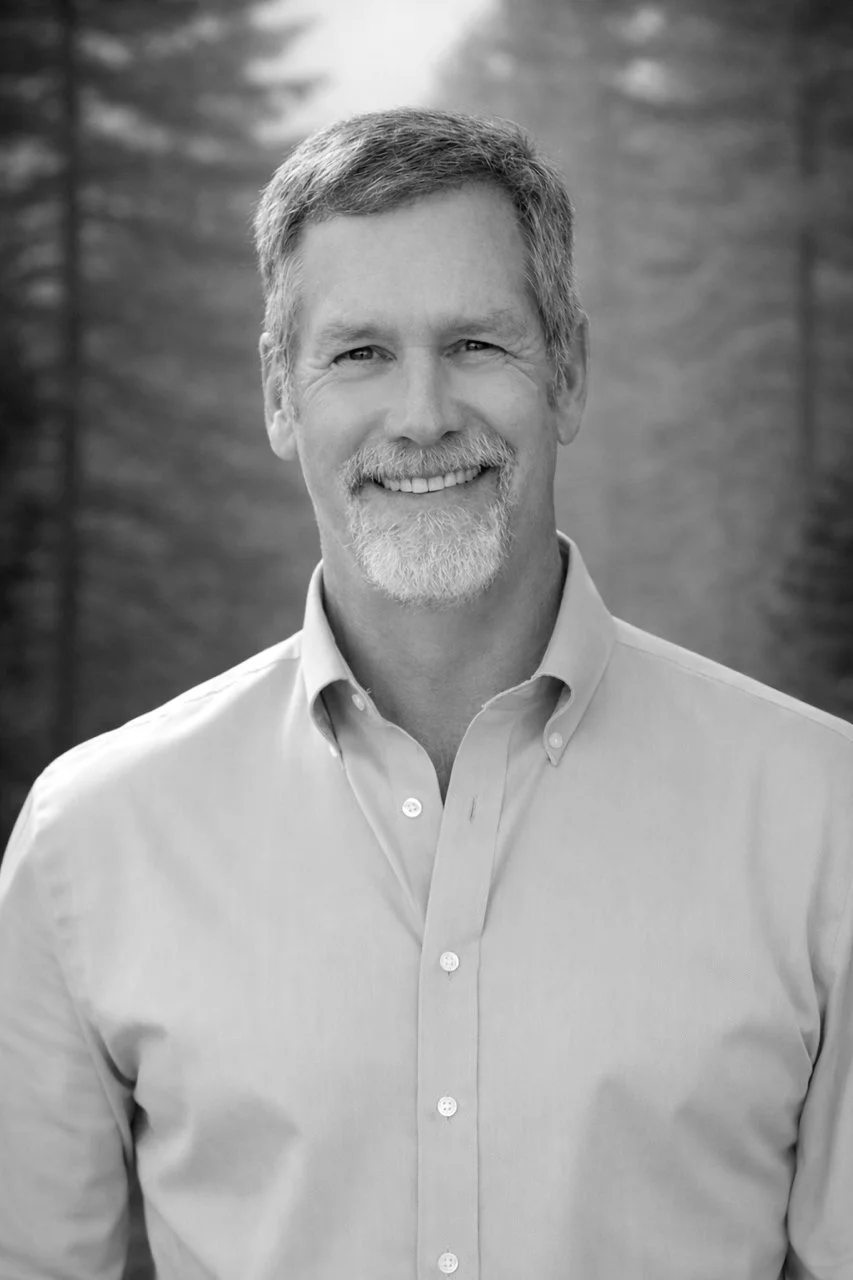
Forester, Project Facilitator
Land Management Craig Whealy
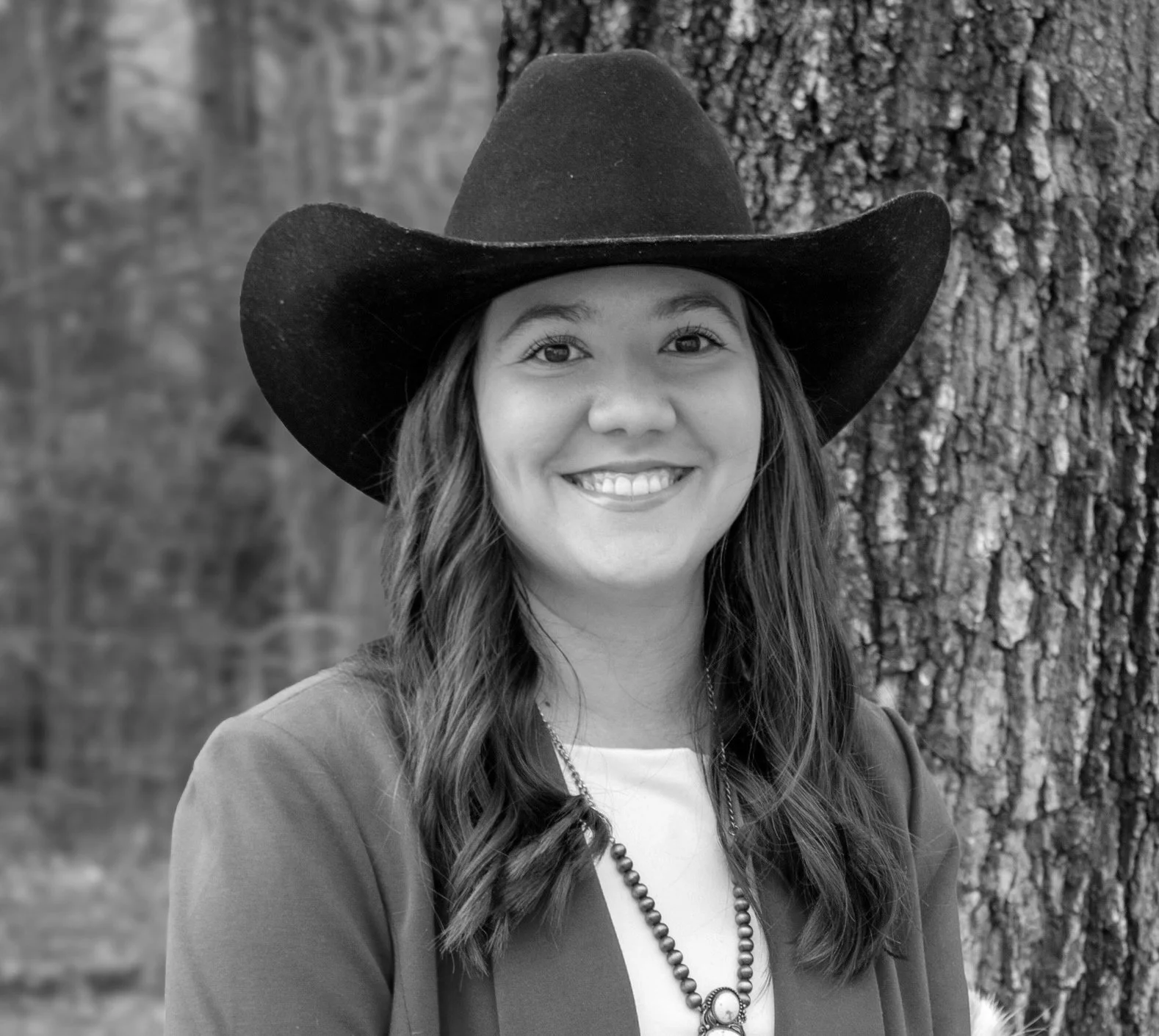
Bailey Rodríguez
Bison Manager Rancher, Bison Specialist
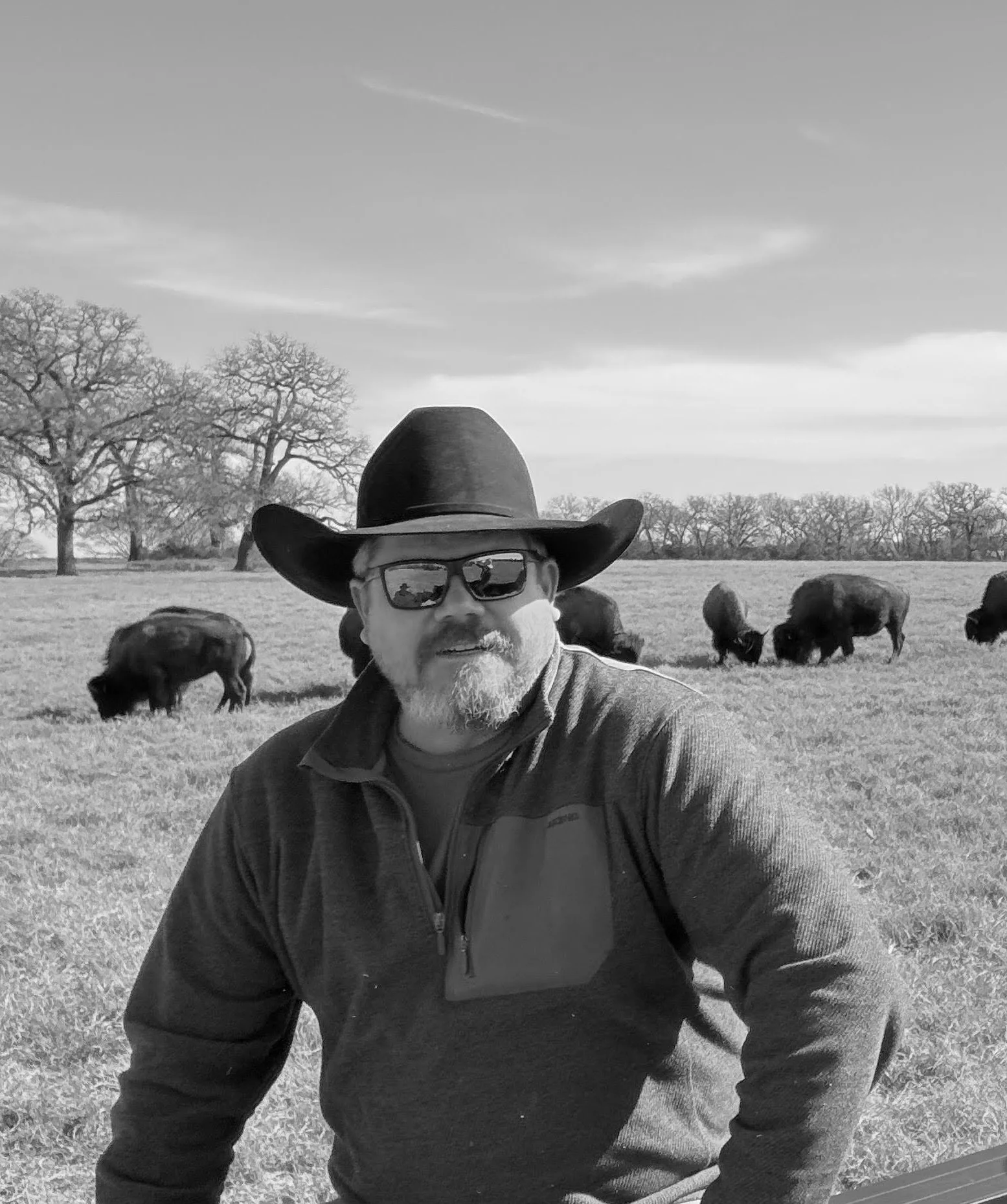
Lost Creek Hunt Club, President
Hunting and WildlifeBlake Dykes
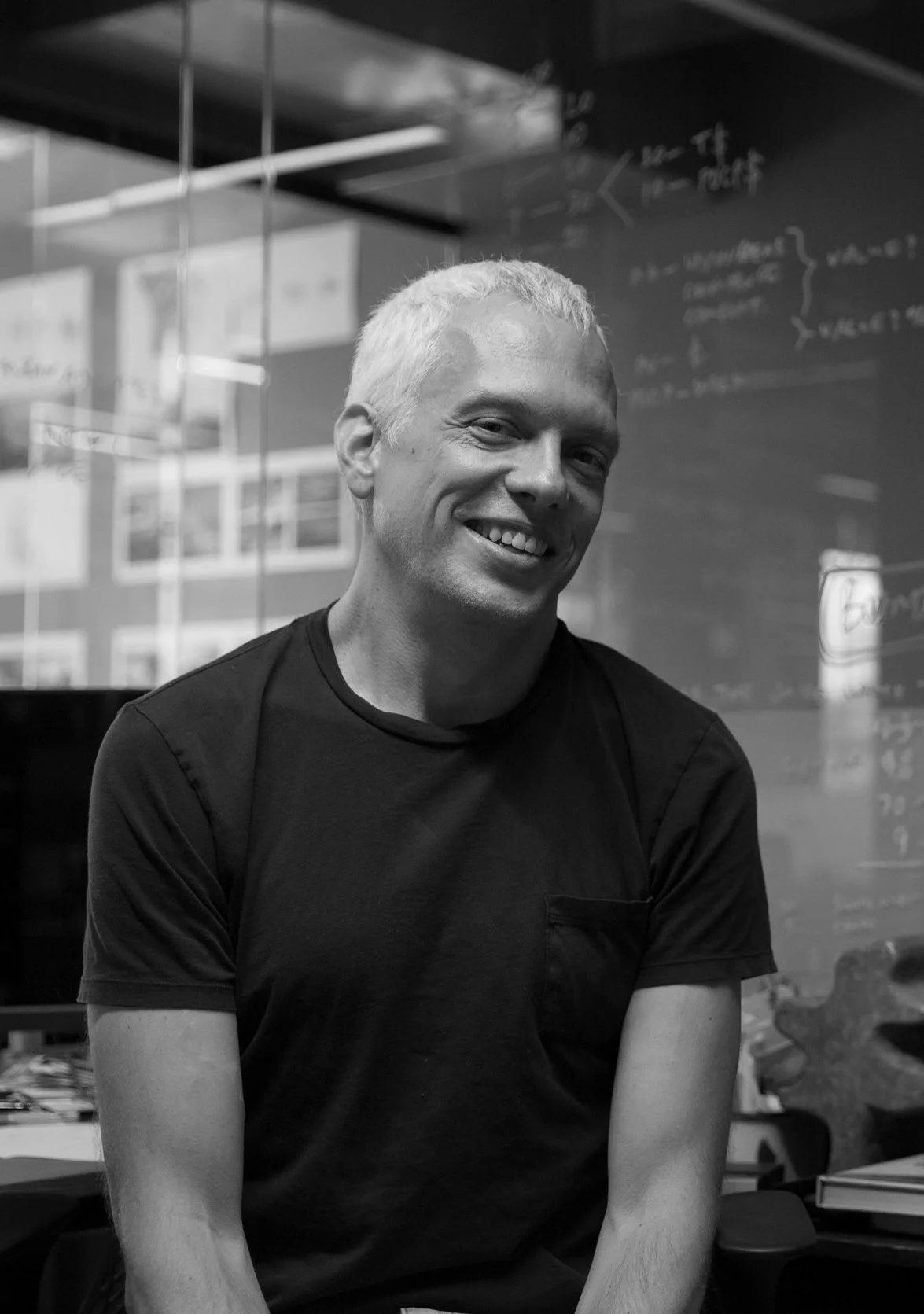
Ryan Gravel
Strategic PartnershipsPlanner and Liaison with TX-DOT, NFS, County
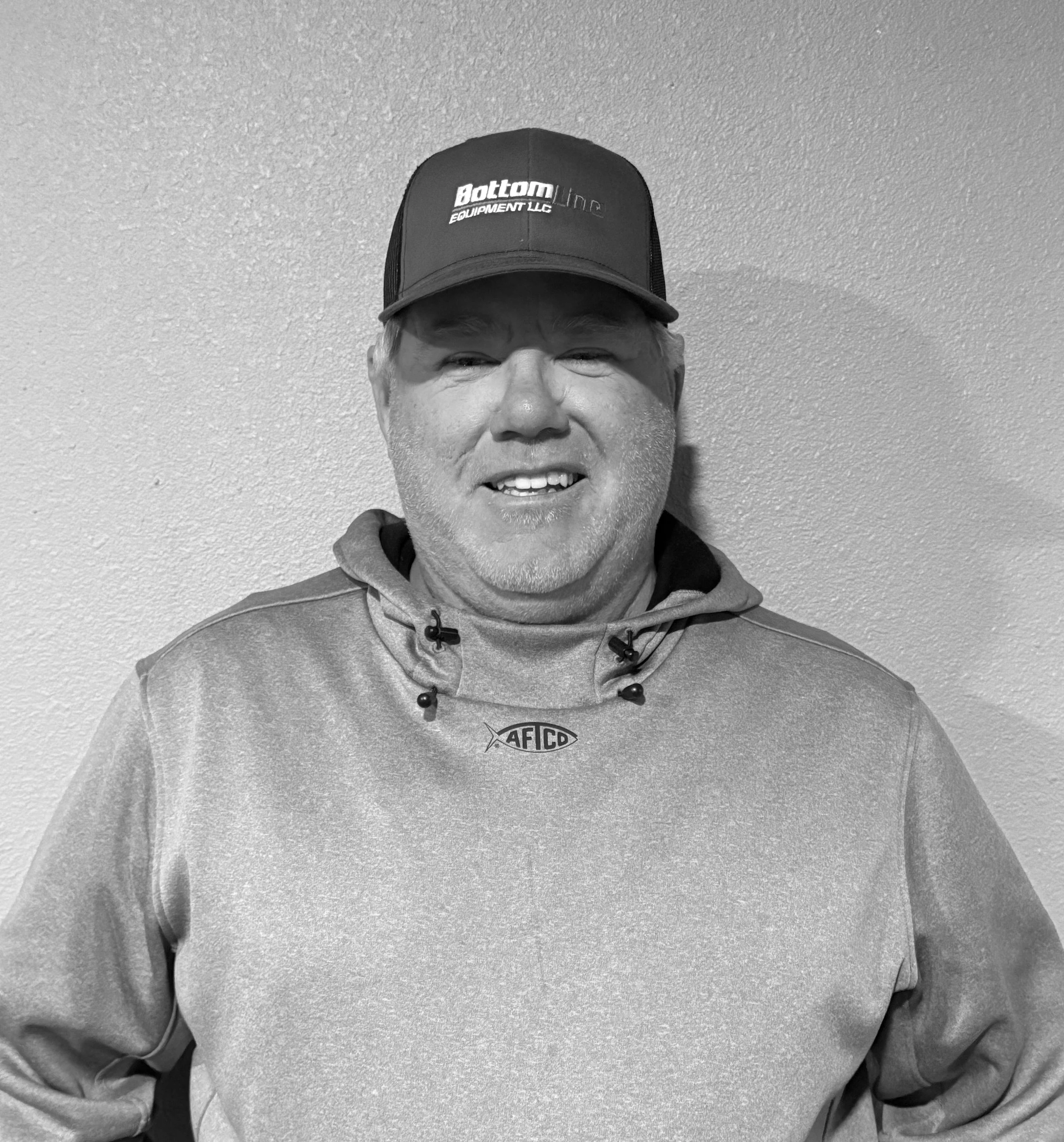
Josh Clarke
Earthworks and Farm RoadsContractor
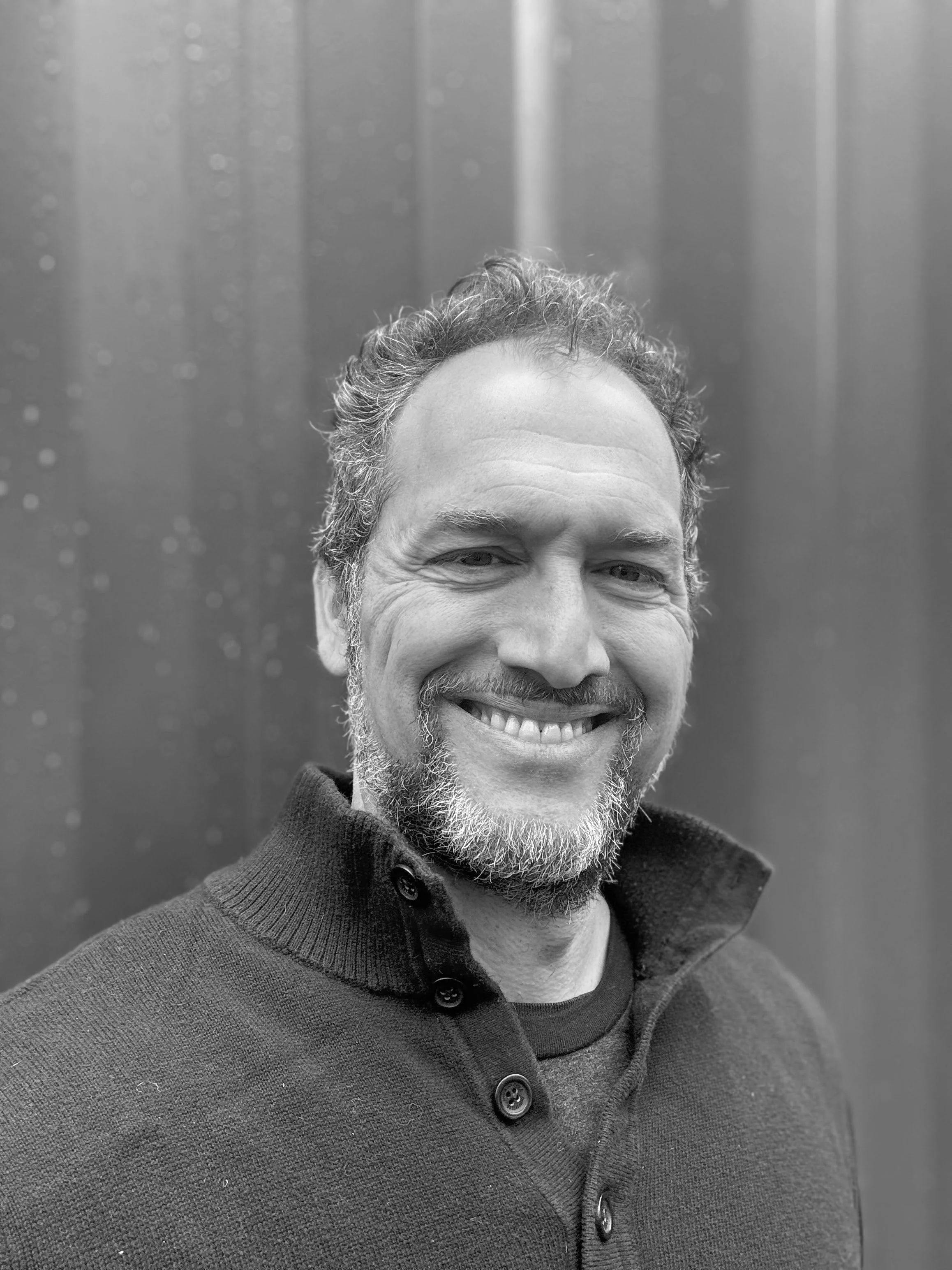
Andrew Sherogan
(Landscape) Artist Artist, The Land Art Project
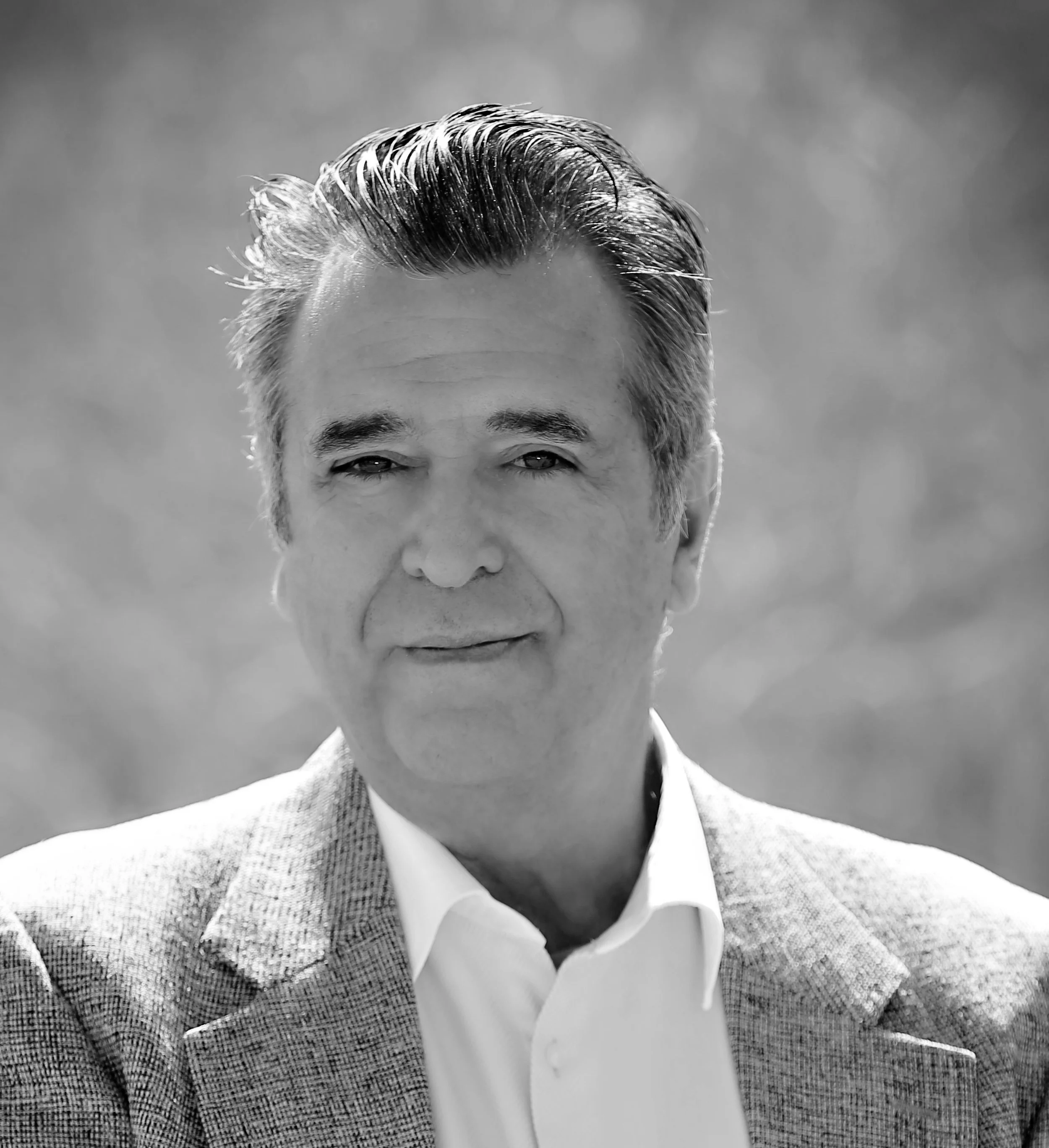
Fernando Pages Ruiz
Facilities Manager Facilities and Construction Management
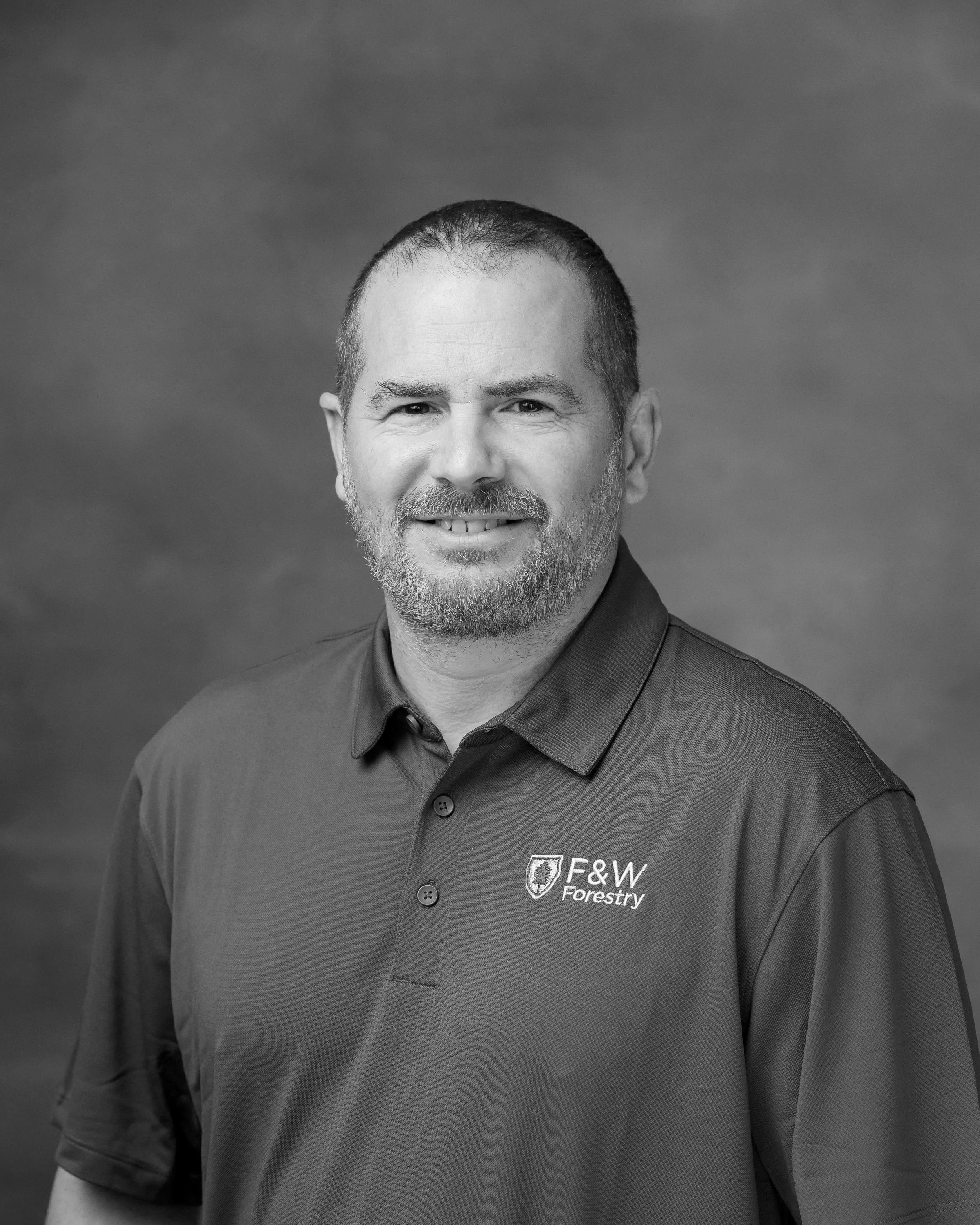
Chris Bartley
Forestry Forest and Land Management
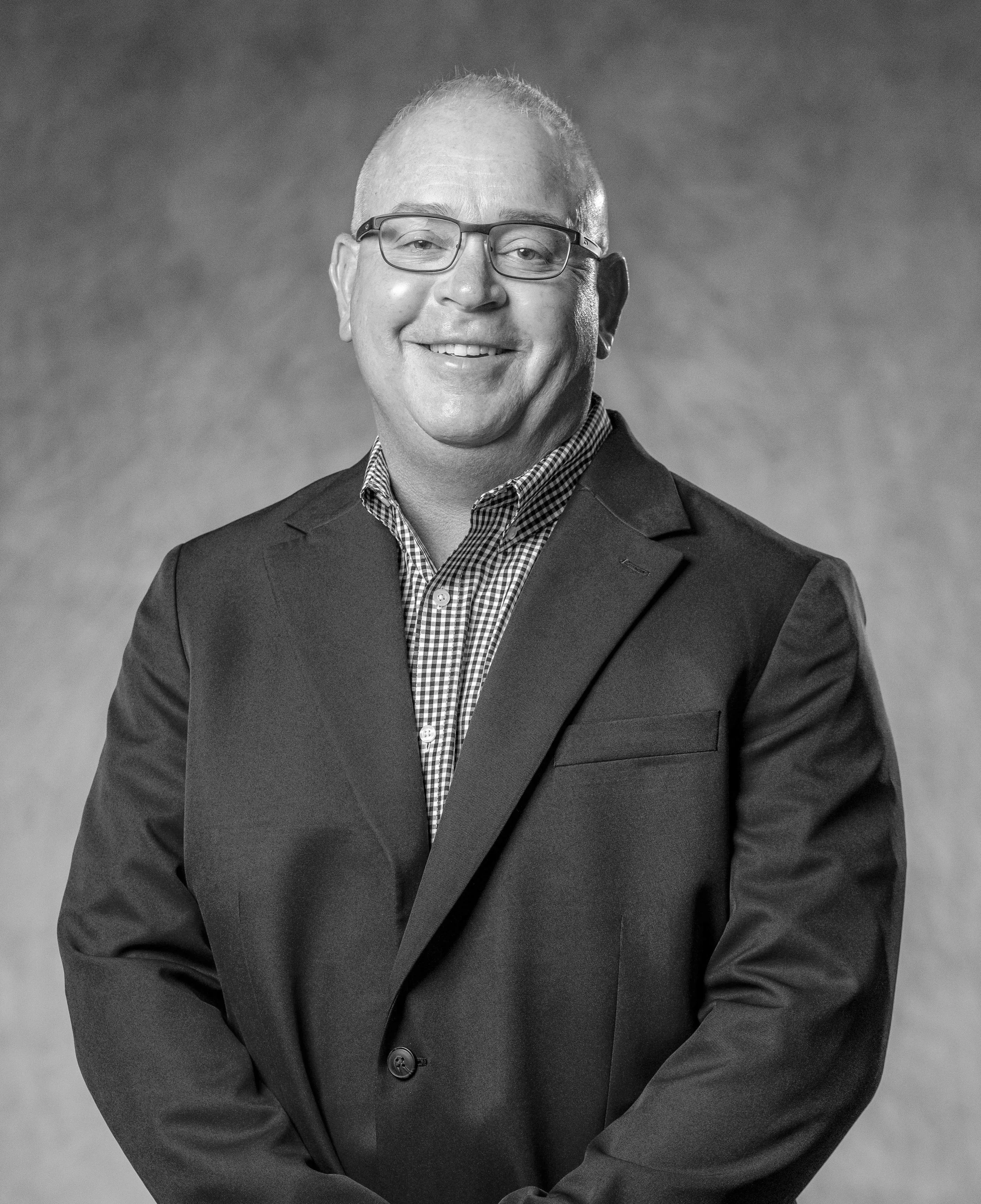
William Newman
Forestry Forest and Land Management
Communities
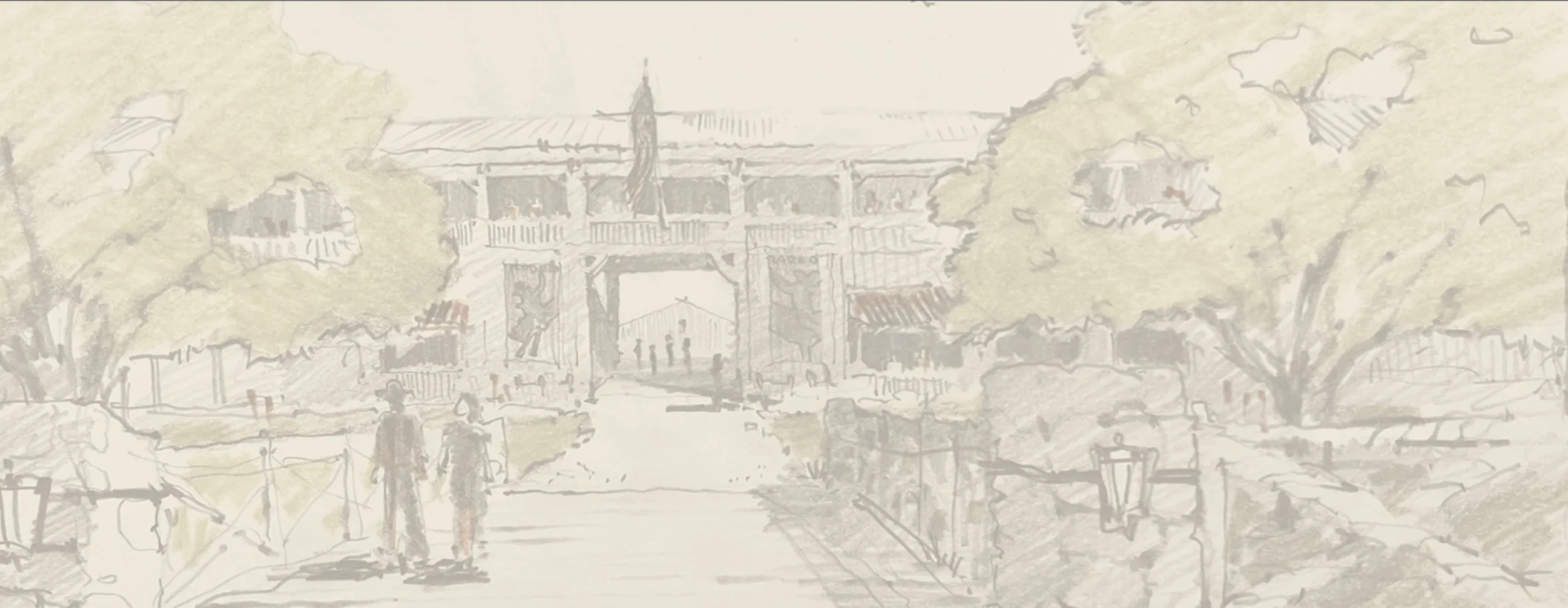

Our architects are busy updating overlooked housing types including Charleston side yards, courtyard arrangements, elegant townhomes, and stacked flats* to better reflect the sense of space, light, and privacy of a standard suburban home, but in locations that permit us to walk to far more of our daily life. We envision wonderful homes situated among interesting shops, delicious restaurants, schools, and workplaces.
It all comes down to thoughtful design.
*Kind of like stacked ranch houses.
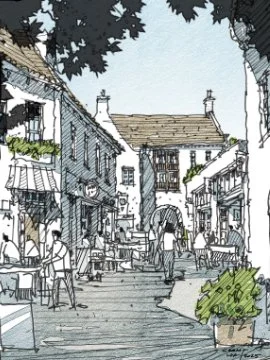
For illustrative purposes only
Whether you choose to call it “home sweet home” or your prized getaway, we aim to be your new favorite place in Texas.
Team

We have assembled a world-class team with deep experience designing, building, and creating beautiful places.
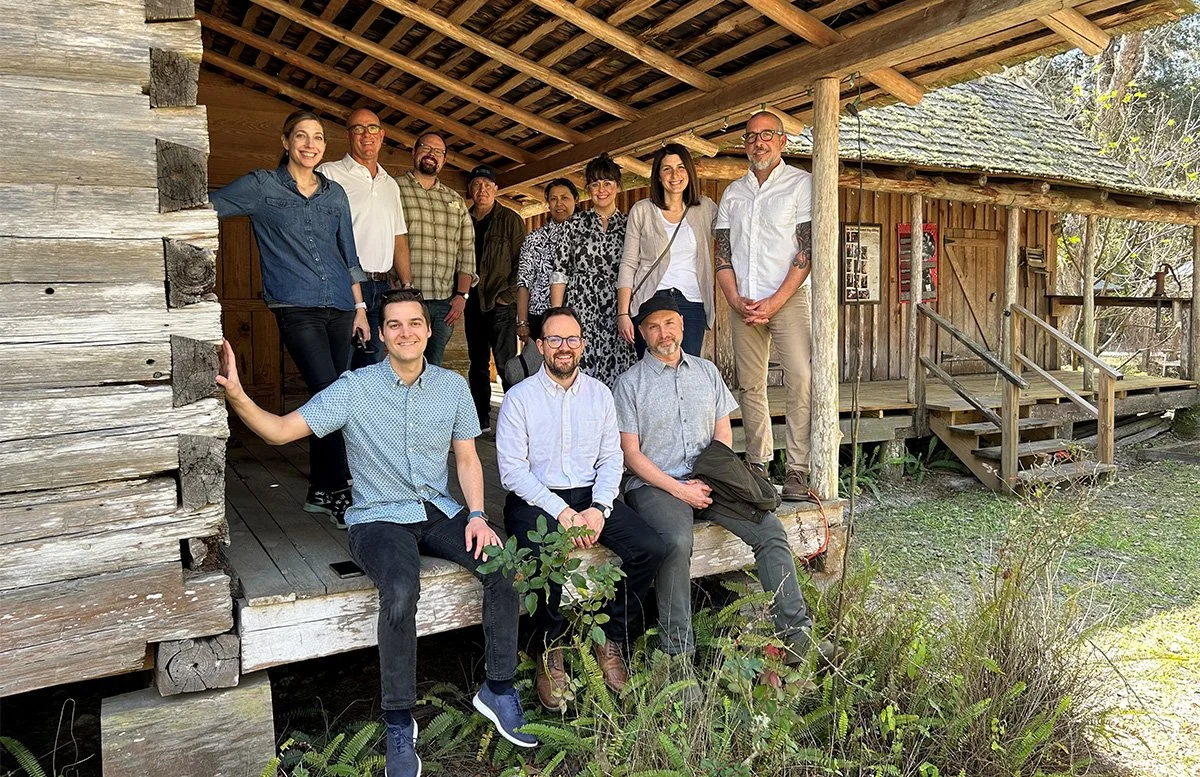
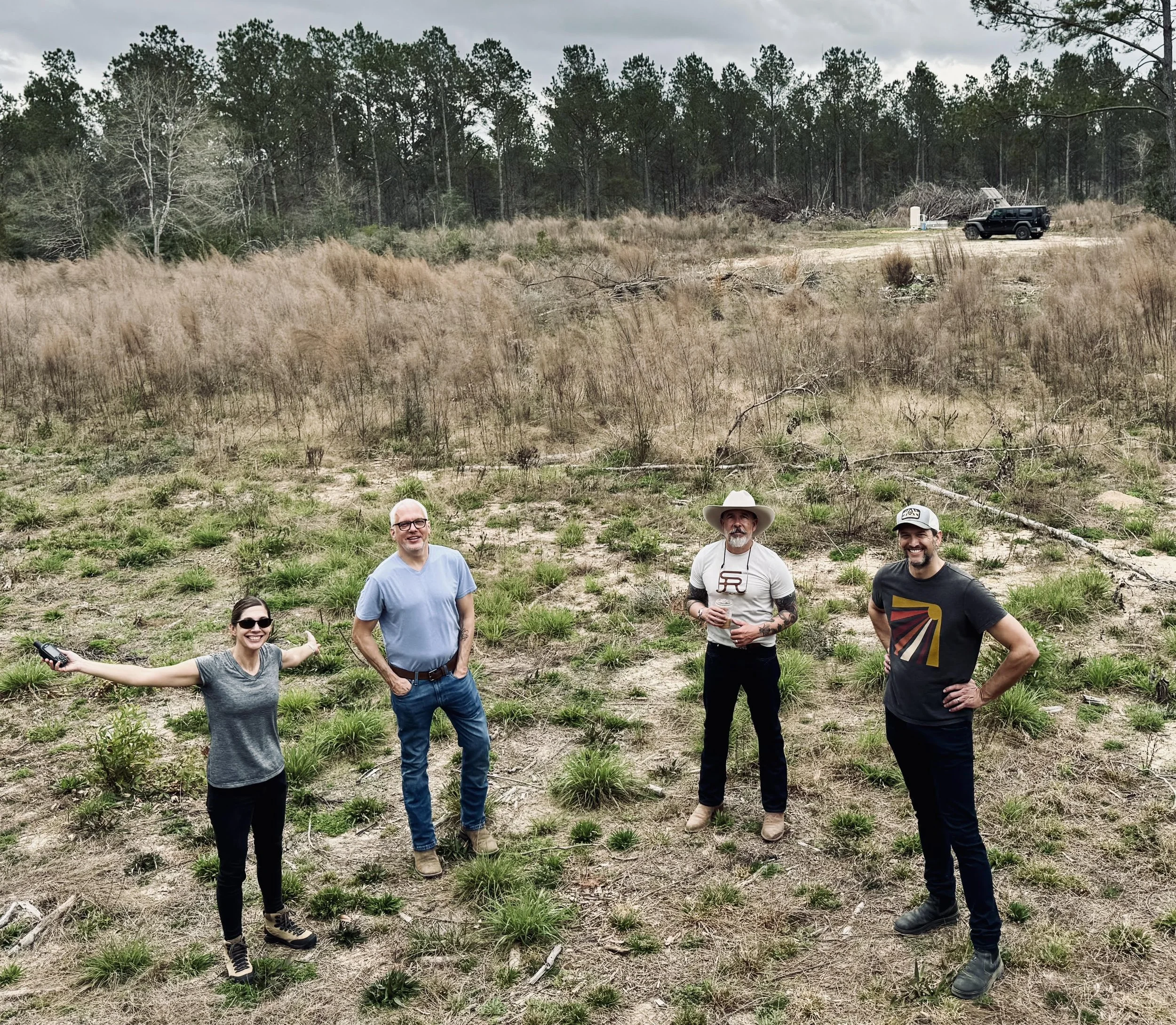
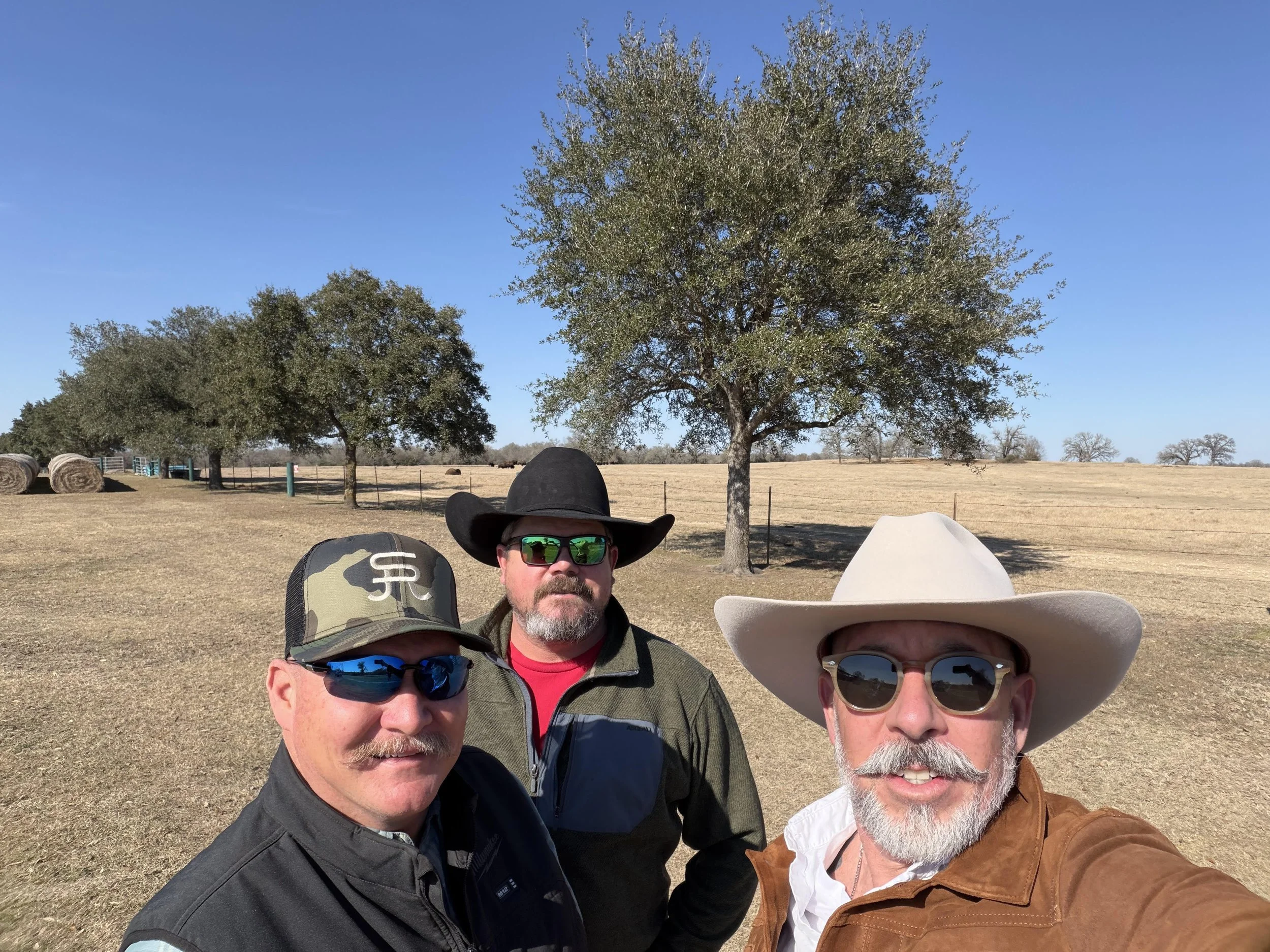
We are entrepreneurs, foresters, architects, planners, designers, landscape architects, engineers, builders, businesspeople, farmers, thinkers, artists, dreamers, and doers.
San Jacinto Ranch is a family-owned enterprise with a 100-year vision and commitment to the region.

LEADERSHIP
Investor Greg Alexander grew up sailing, snorkeling, reading, hiking, and landscaping, and helping his parents work on a series of fixer-uppers. In more recent years, frequent visits to Texas led him to San Jacinto County, which he found so beautiful that it sparked his big idea for San Jacinto Ranch. Greg spends considerable time on the property. The project has become multi-generational with his daughter Josie, who is now also working with SJR’s talented team to help make this vision a reality.
GREG ALEXANDER
Bo Taff is a 9th-generation Floridian whose family roots in the Sunshine State date back to the 1700s. He grew up along the pristine, estuarine waters of Florida's big bend and keeping watch over the family’s very small farm. He has worked as SVP of Planning for Foley Timber & Land, and as Florida’s Deputy Director of Tourism, Trade, and Economic Development under Governor Jeb Bush. Bo has been riding around looking at land with Greg since 2017.
BO TAFF
teamJosie Alexander – Land Management
Paul Crabtree & Aaron Cook (CGI) – Civil Engineering
Breck Gastinger (LOCAL) – Landscape Architecture
Ryan Gravel (Sixpitch) – Planning / Design
Chris Heim – Architecture
Jeremy Jordan (LOCAL) – Landscape Architecture / Ranch Manager
David Kirby – Business Development / County Liaison / Education
Ishaan Krishnan – Business Development / Research
Caitie O’Hara (CO-Design Studio) – Planning / Design
Fernando Pages-Ruiz – Construction Management
Mark Santrach (Design Reconsidered) – Architecture
Peter Swift – Traffic Engineering
Stephan van der Mersch – Research / Development
Resources
InspirationWe love to read and learn! Over the years, these have been some of the books that helped inspire our core principles, though of course we don’t agree with everything any author writes.
Protect the Land
Our Long-Term Vision
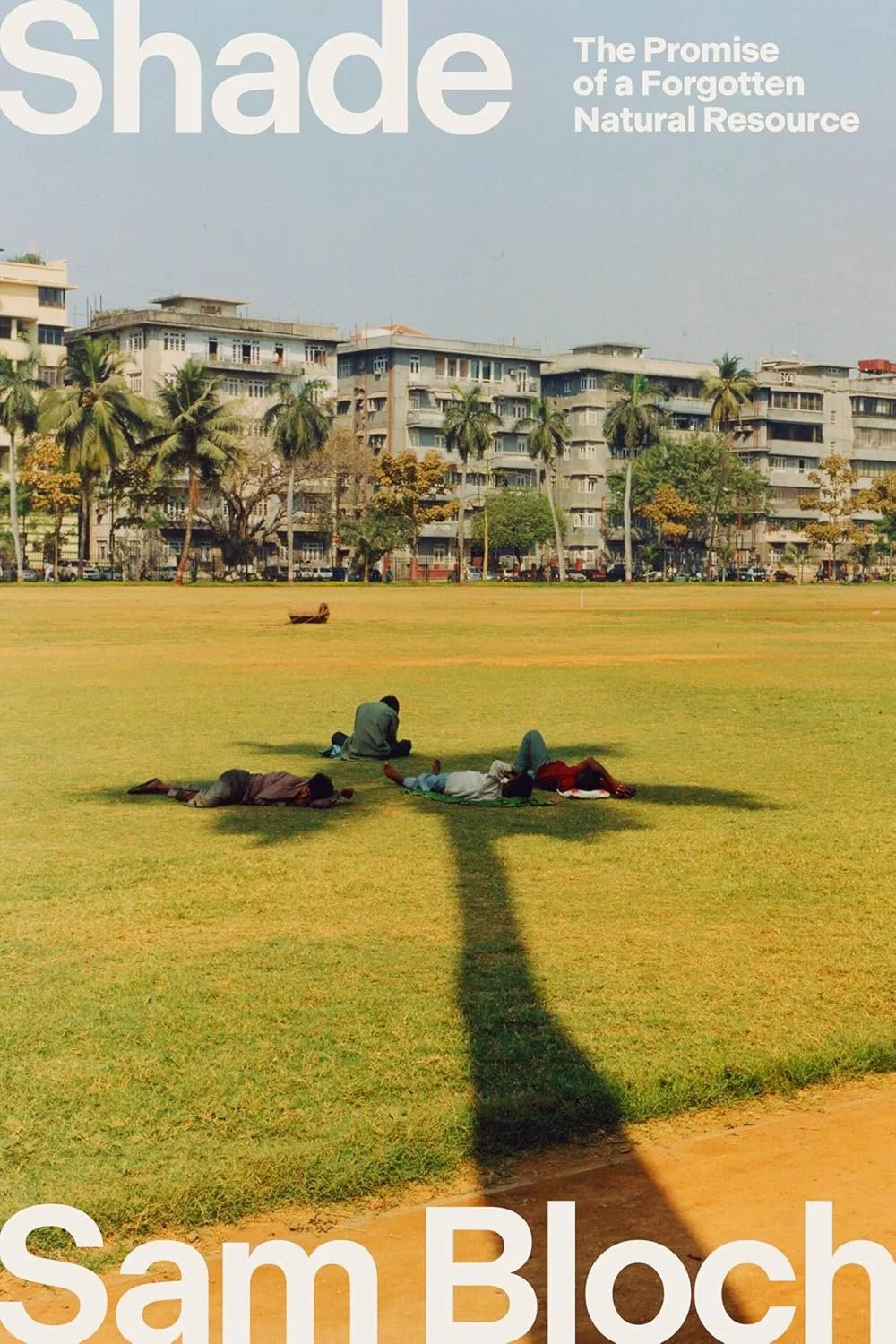
Bloch, Sam. Shade: The Promise of a Forgotten Natural Resource. New York: Random House, 2025.
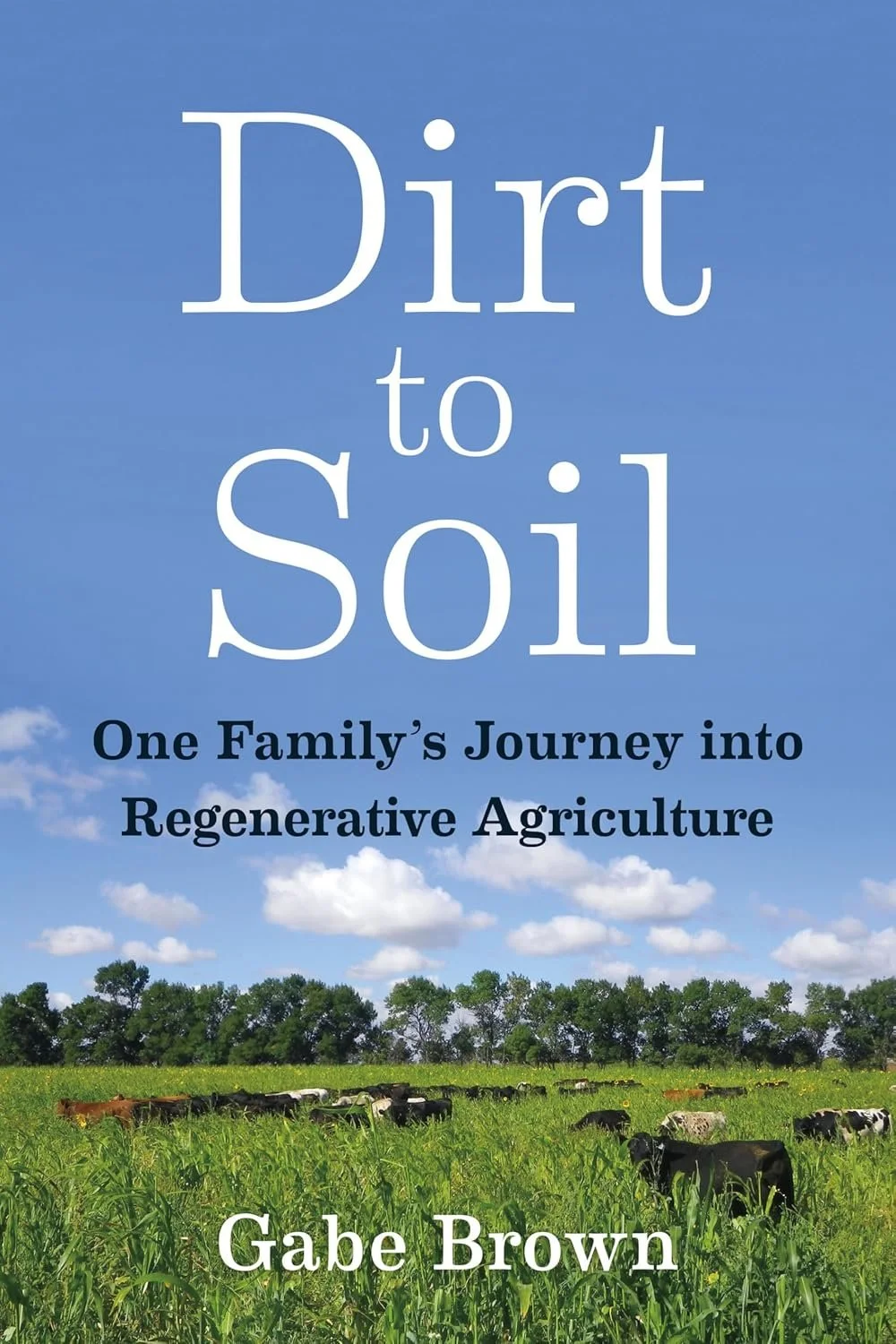
Brown, Gabe. Dirt to Soil: One Family’s Journey into Regenerative Agriculture.White River Junction: Chelsea Green Publishing, 2018.
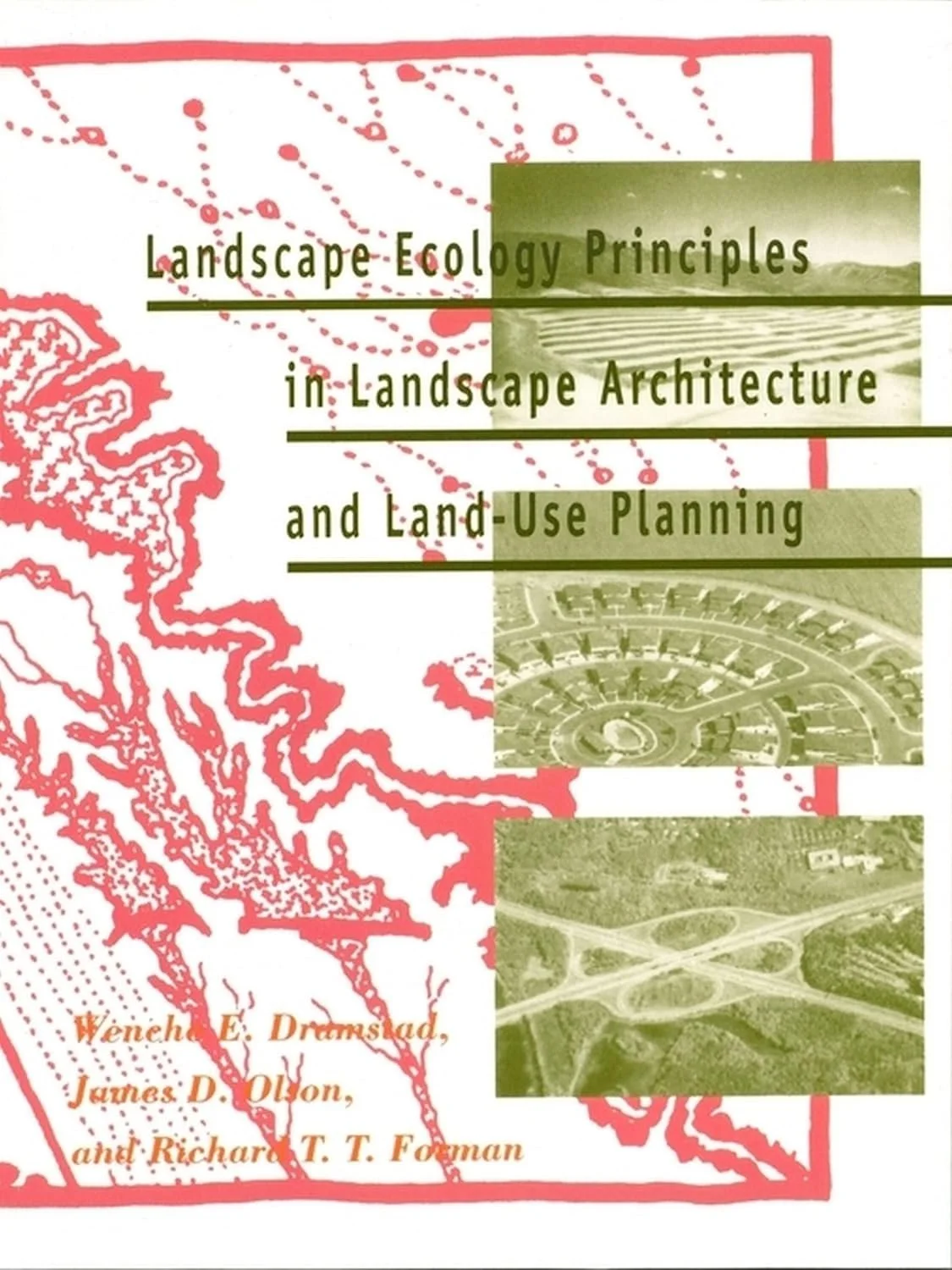
Dramstad, Wenche E. and James D. Olson, Richard T. T. Forman. Landscape Ecology Principles in Landscape Architecture and Land-Use Planning. Washington, DC: Harvard University Graduate School of Design, 1996.
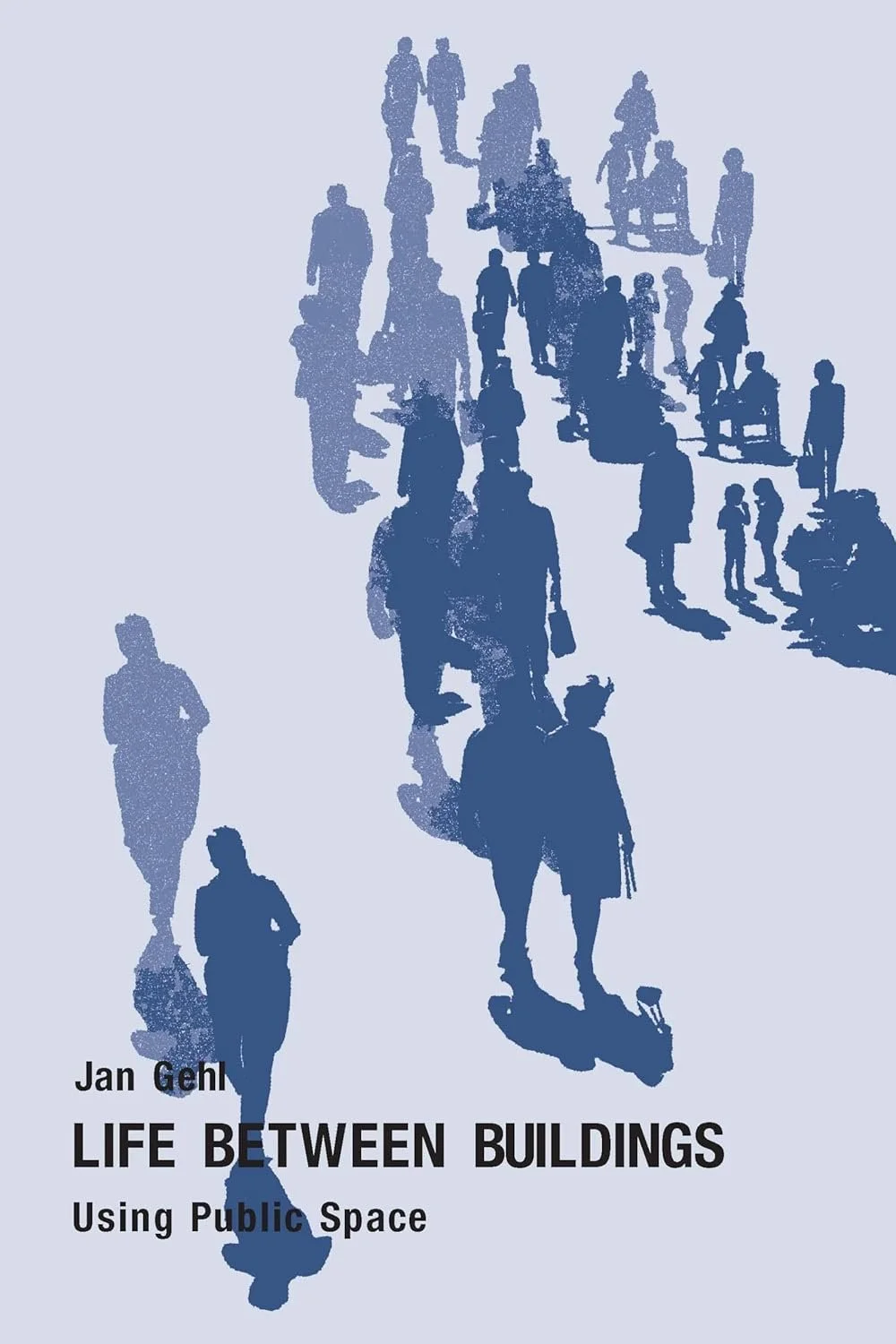
Gehl, Jan. Life Between Buildings: Using Public Space.Washington, D.C.: Island Press, 2011.
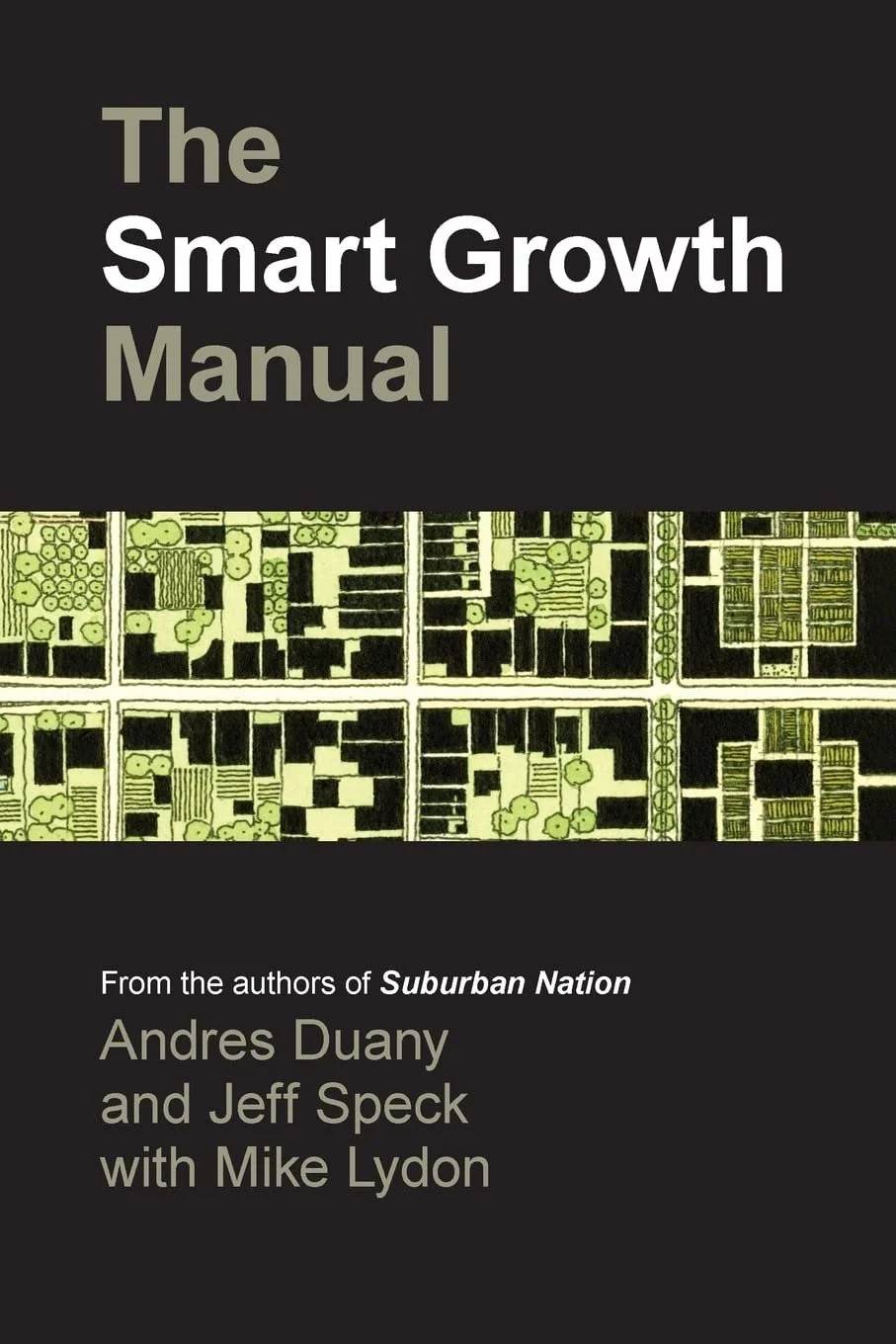
Speck, Jeff, and Andres Duany, Mike Lydon. The Smart Growth Manual.New York: McGraw-Hill, 2010.
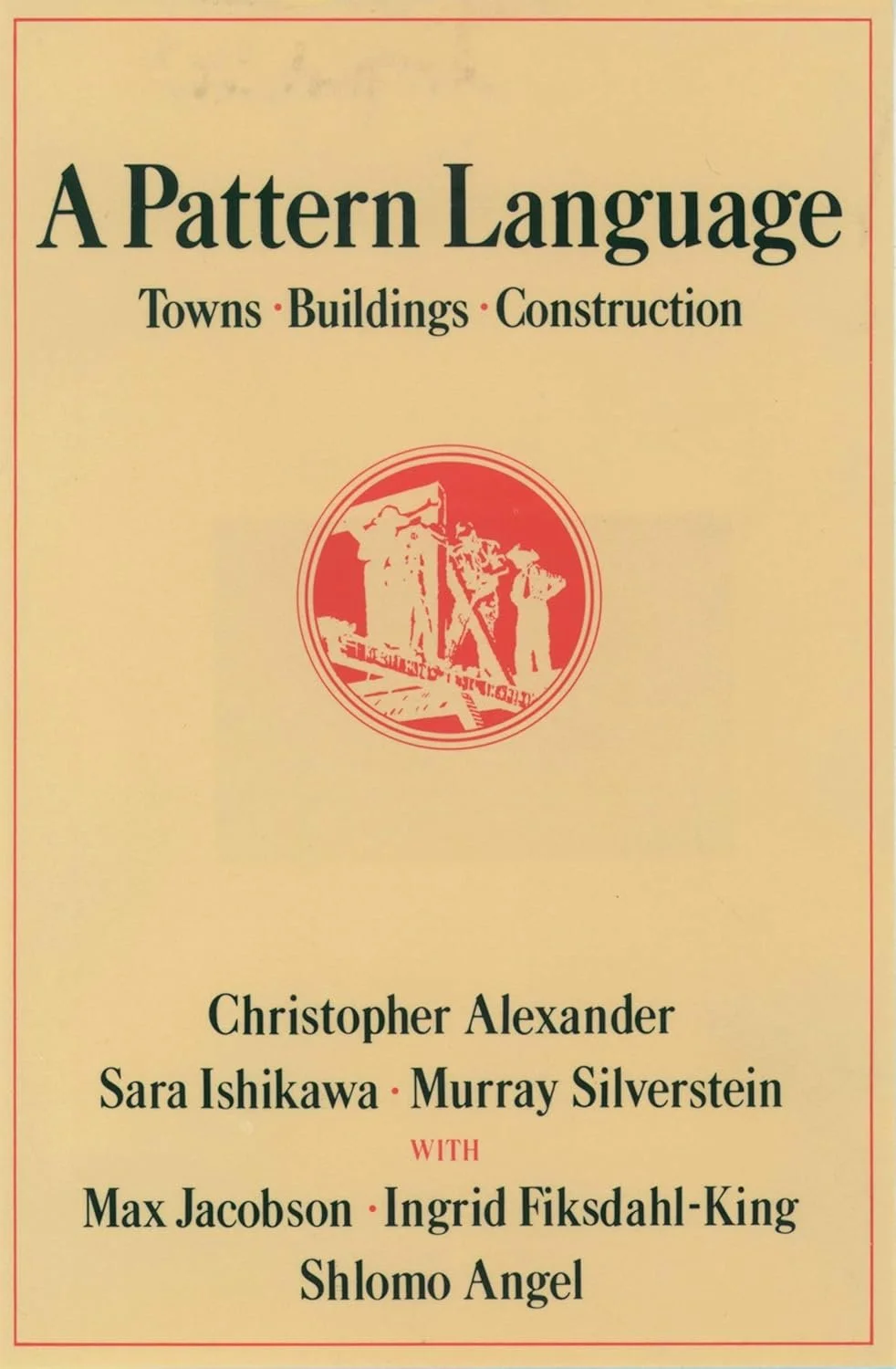
Alexander, Christopher et al. A Pattern Language: Towns, Buildings, Construction. New York: Oxford University Press, 1977.
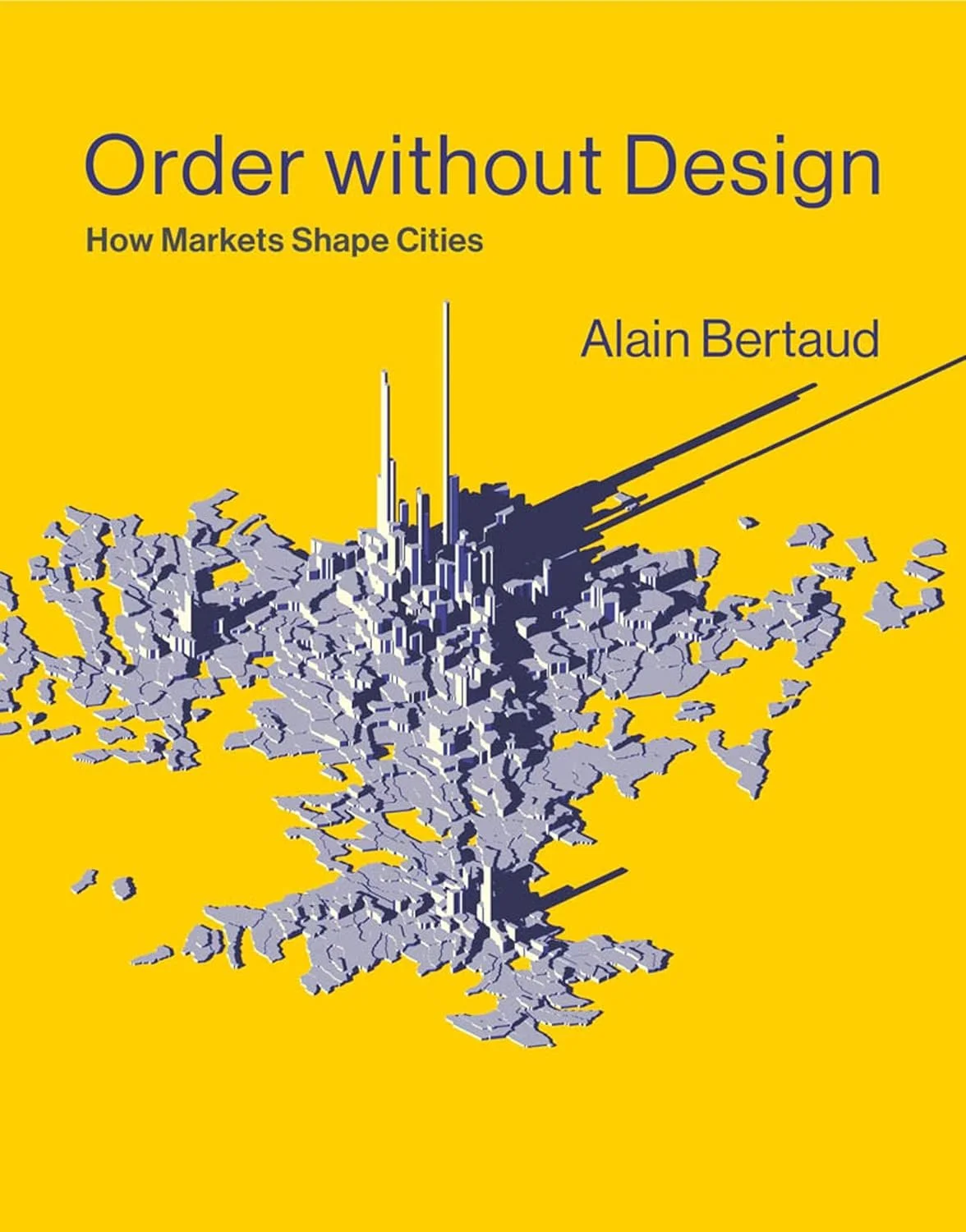
Bertraud, Alain. Order Without Design: How Markets Shape Cities. Cambridge: The MIT Press, 2024.
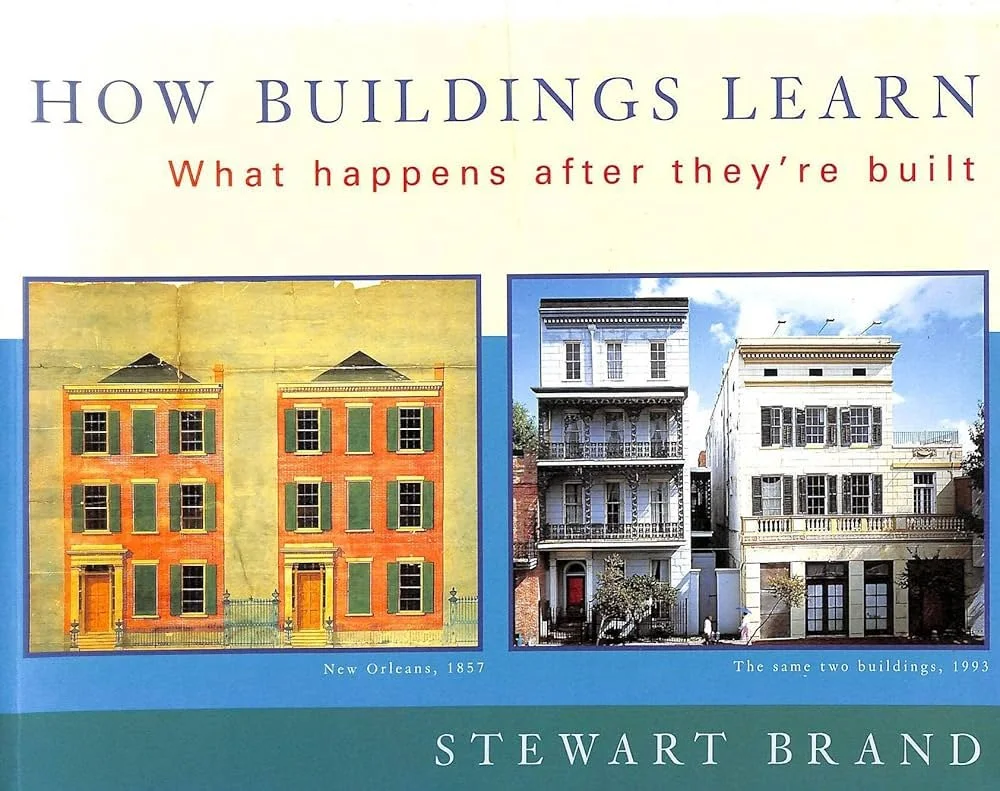
Brand, Stewart. How Buildings Learn: What Happens After They’re Built. New York: Penguin Books, 1995.
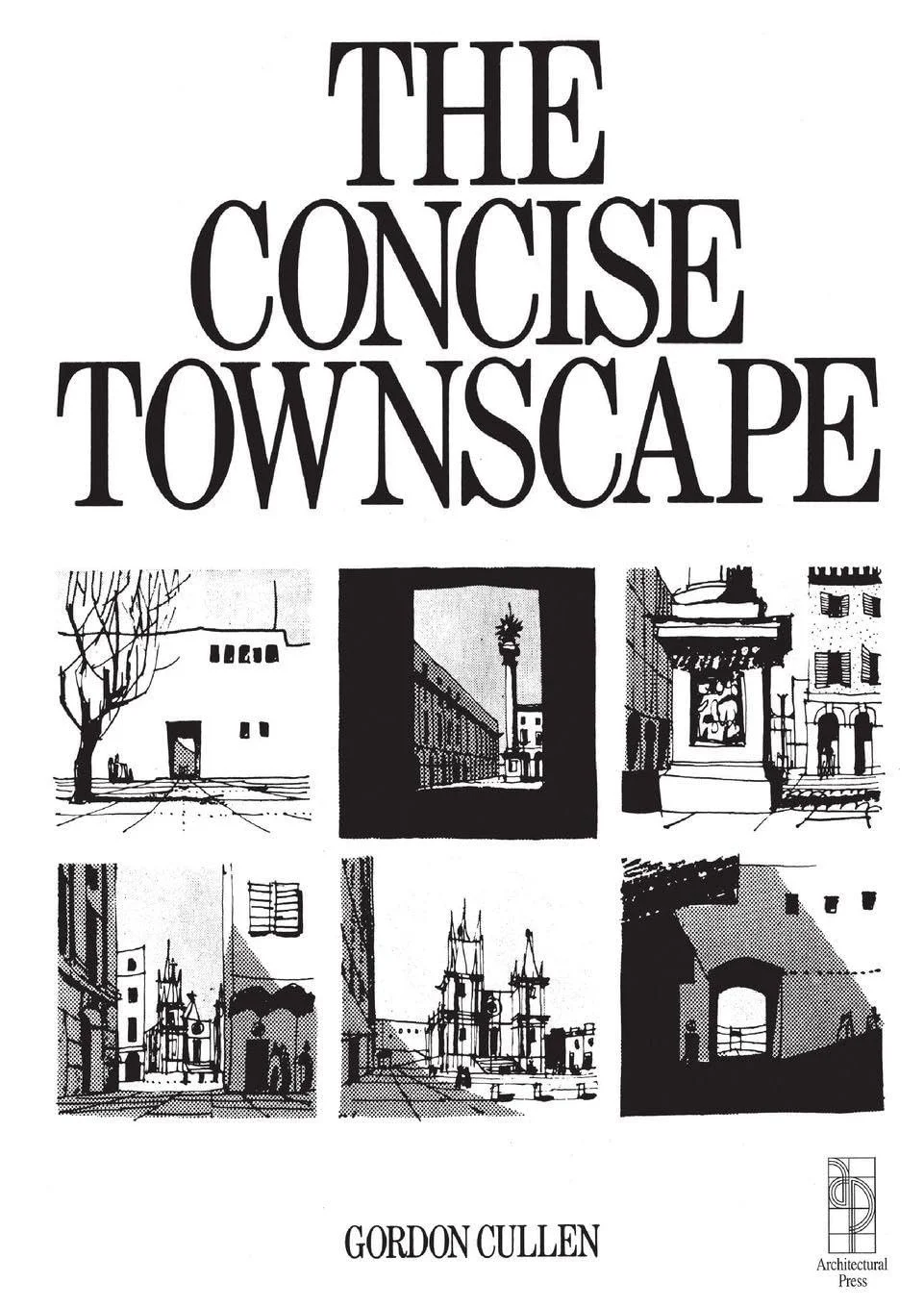
Cullen, Gordon. The Concise Townscape. Oxford: Elsevier, 1971.
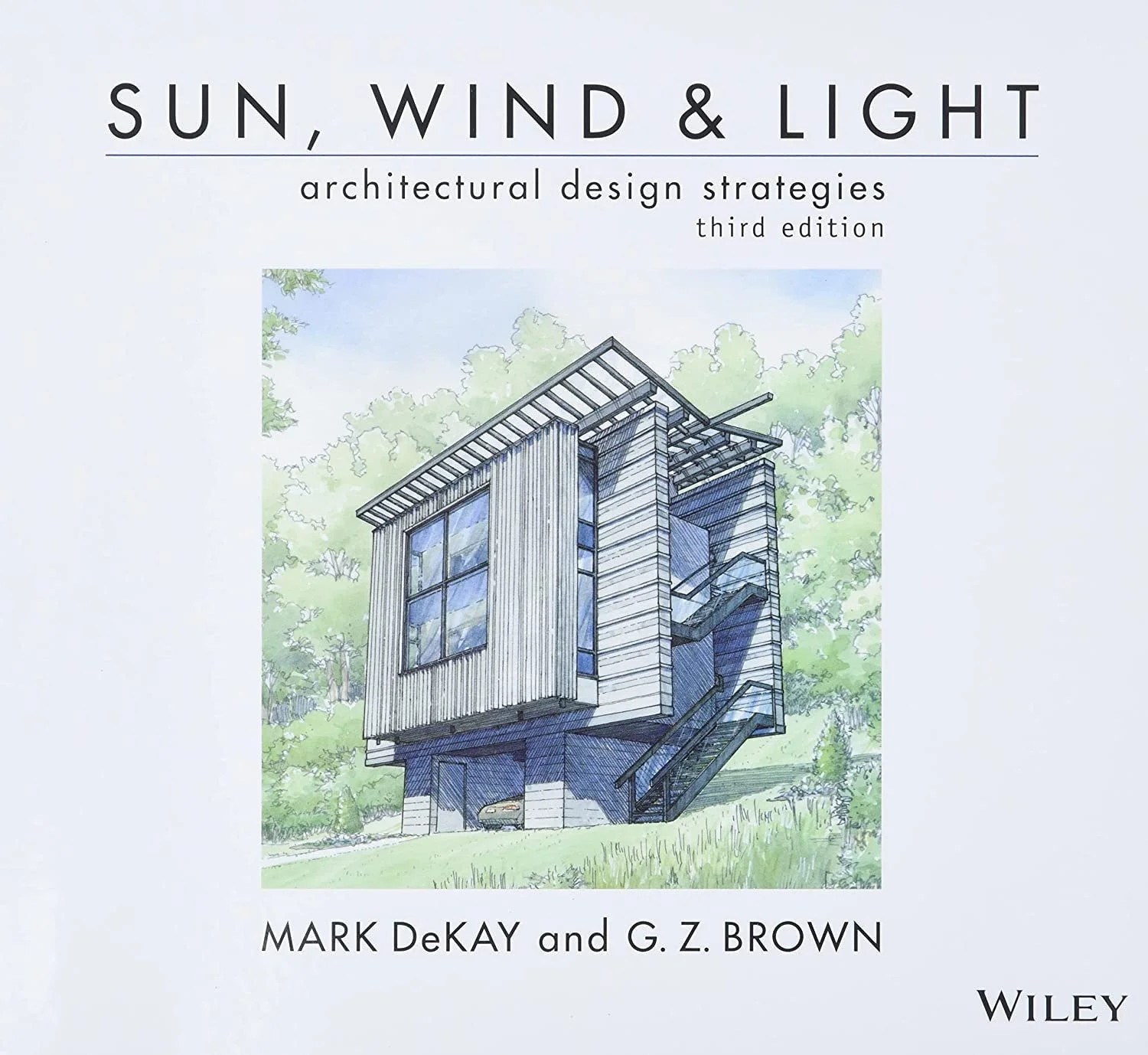
DeKay, Mark and G.Z. Brown. Sun, Wind & Light: Architectural Design Strategies. Hoboken: John Wiley & Sons, Inc., 2014.
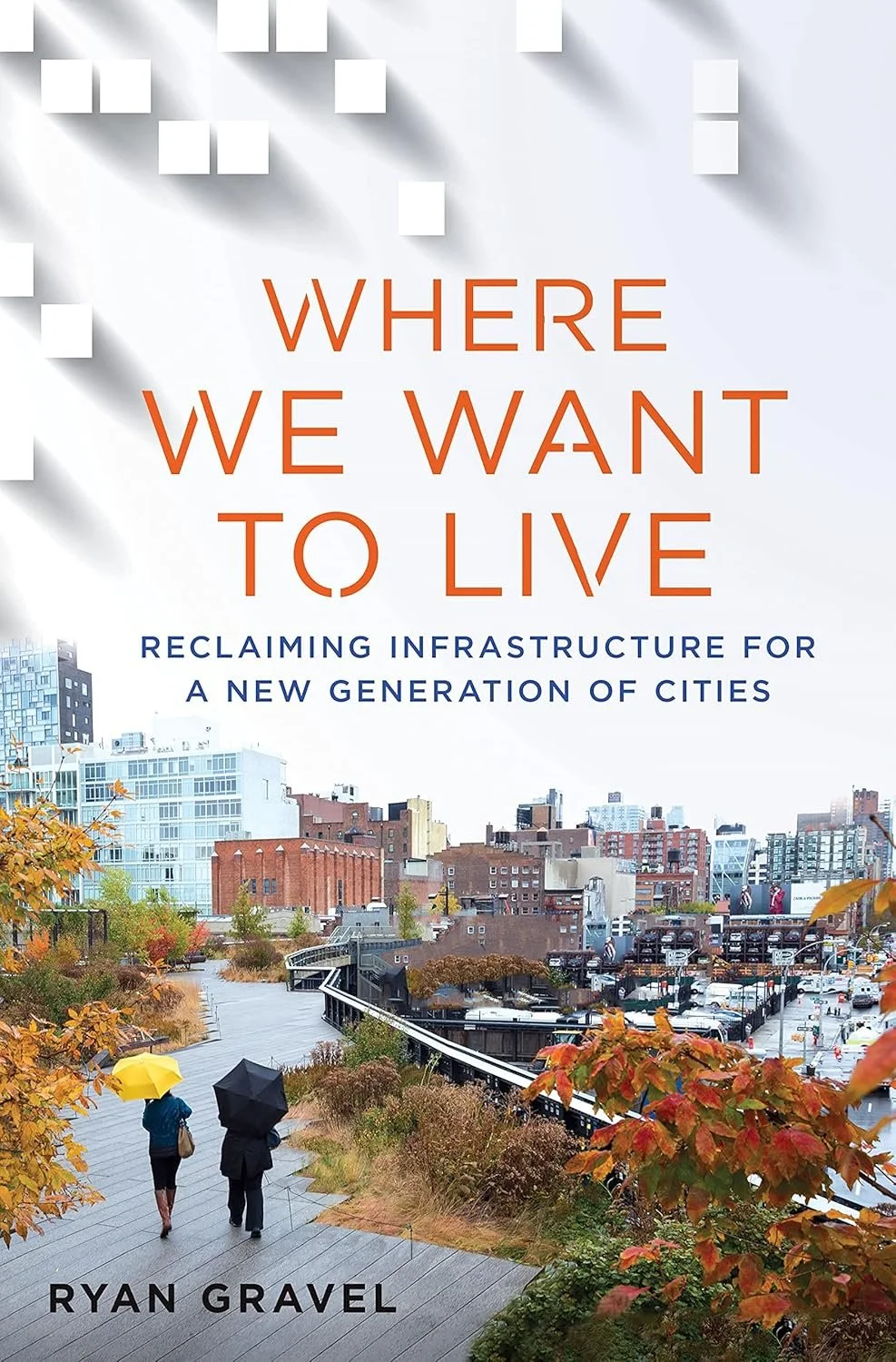
Gravel, Ryan. Where We Want to Live: Reclaiming Infrastructure for a New Generation of Cities. New York: St. Martin’s Press, 2016.
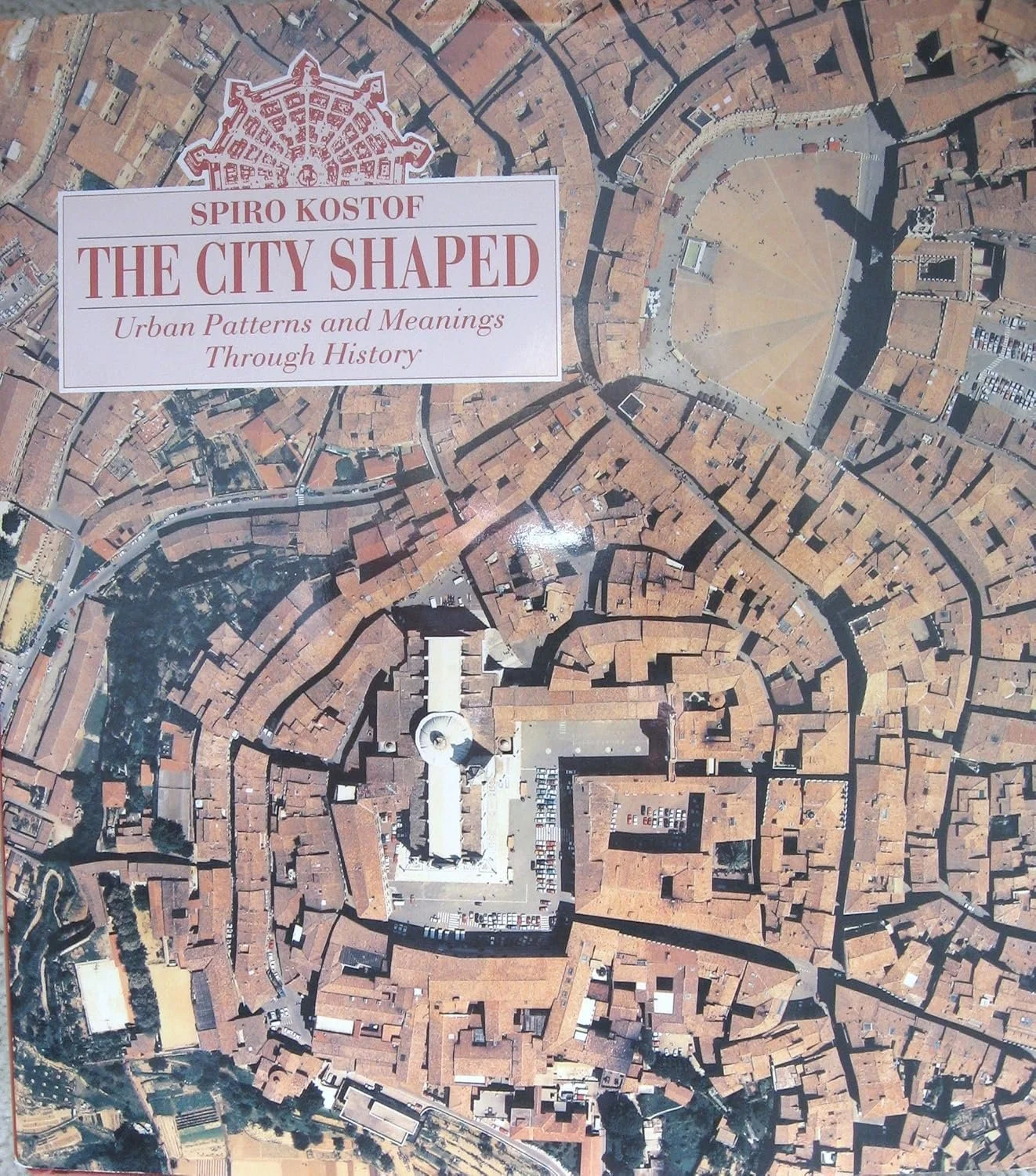
Kostoff, Spiro. The City Shaped: Urban Patterns and Meaning Through History. Boston: Brown, Little, 1991.
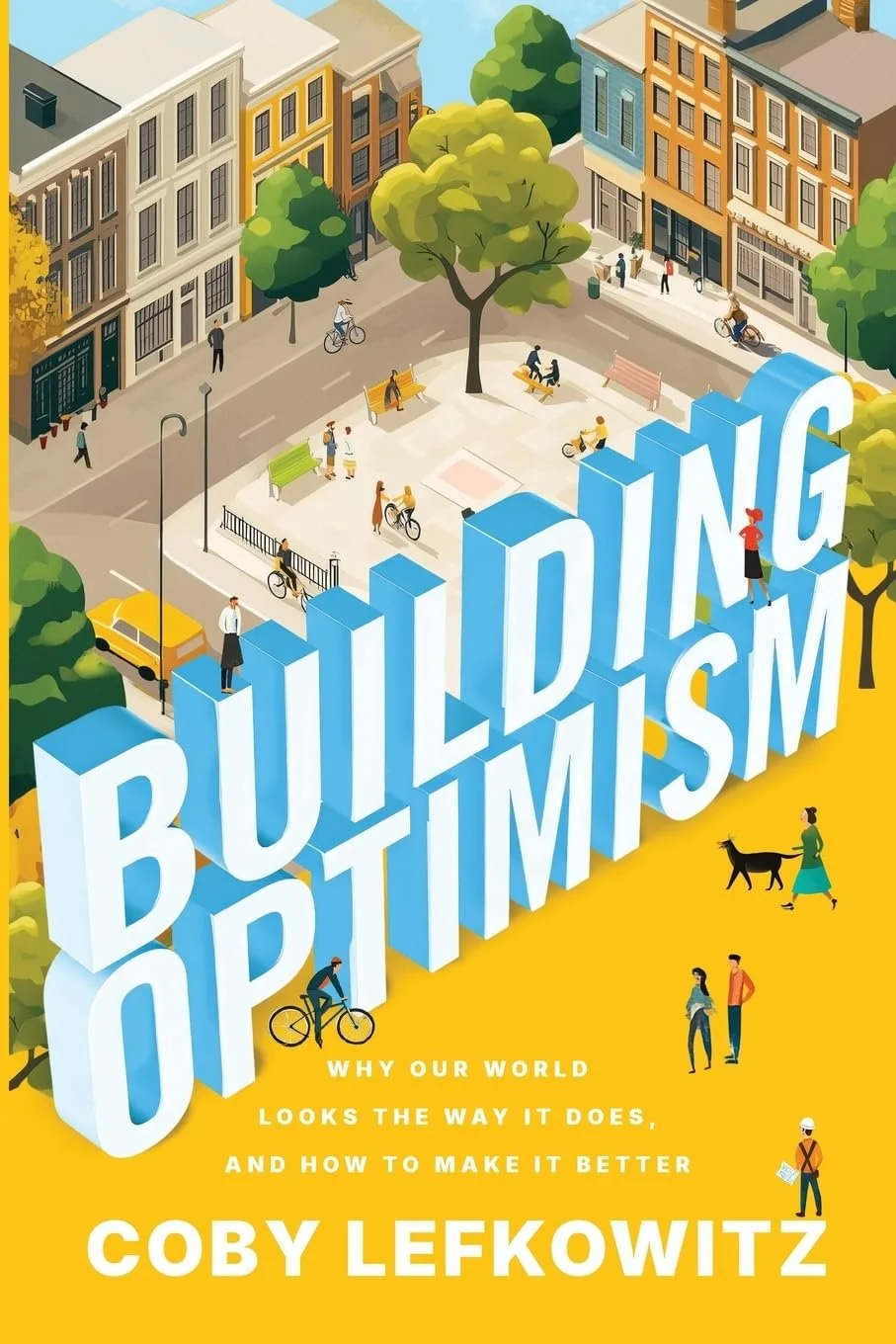
Lefkowitz, Coby. Building Optimism: Why our World Looks the Way it Does, and How to Make it Better. Lefkowitz, 2024.
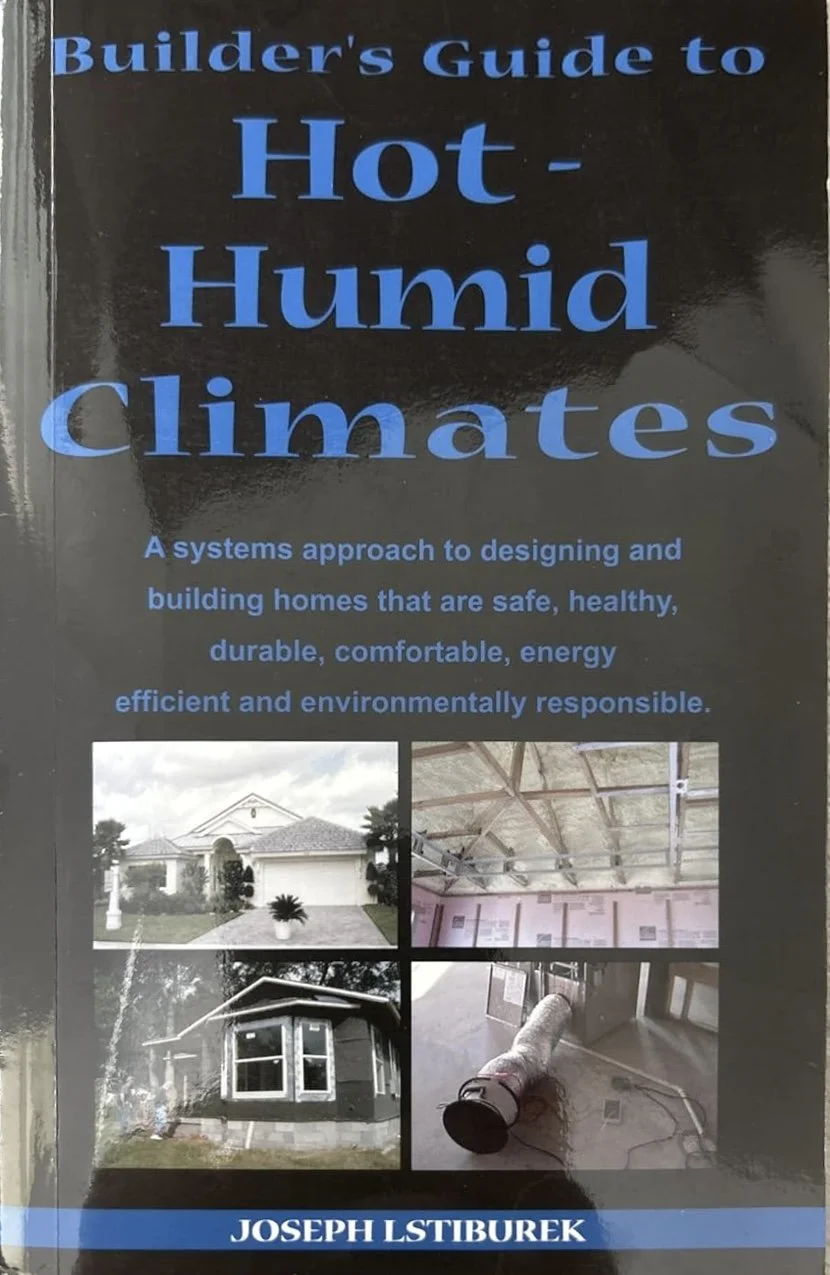
Lstiburek, Joseph. Builder’s Guide to Hot-Humid Climates. Building Science Corporation, 2005.
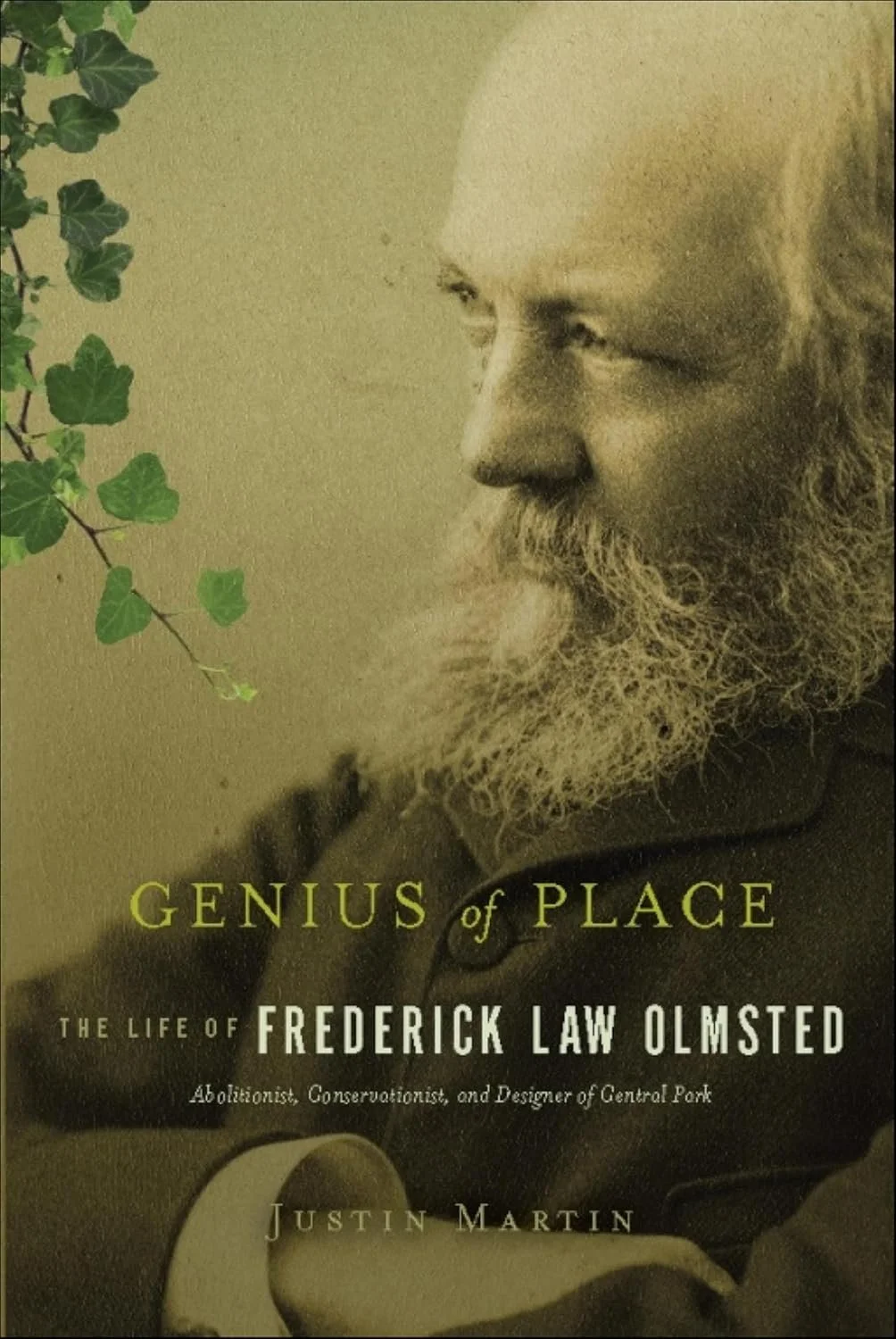
Martin, Justin. Genius of Place: The Life of Frederick Law Olmsted. Boston: Da Capo Press Books, 2011.
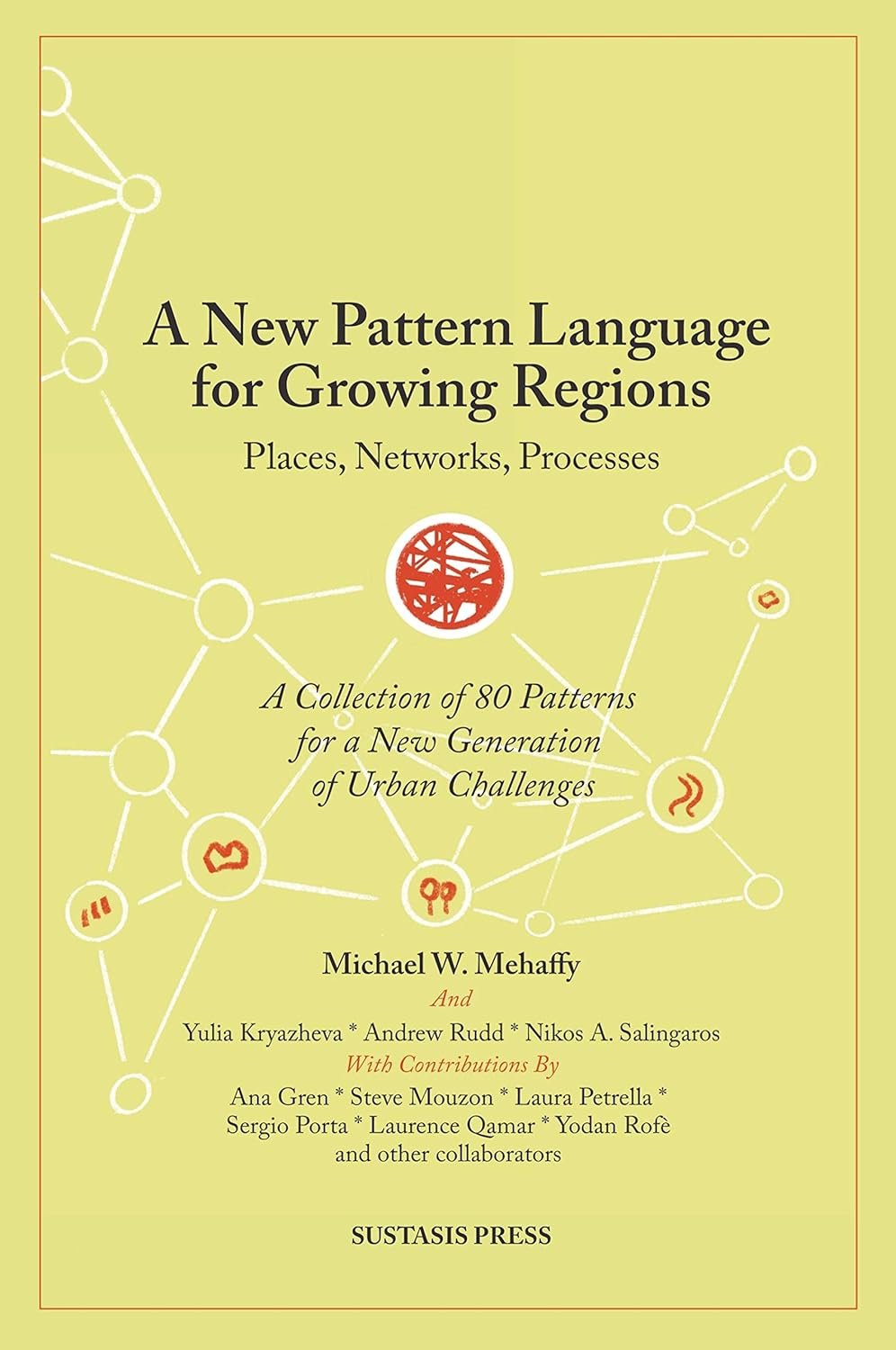
Mehaffy, Michael W. et al. A New Pattern Language for Growing Regions: Places, Networks, Processes: A Collection of 80 Patterns for a New Generation of Urban Challenges. Portland: Sustasis Press/Levellers Press, 2020.
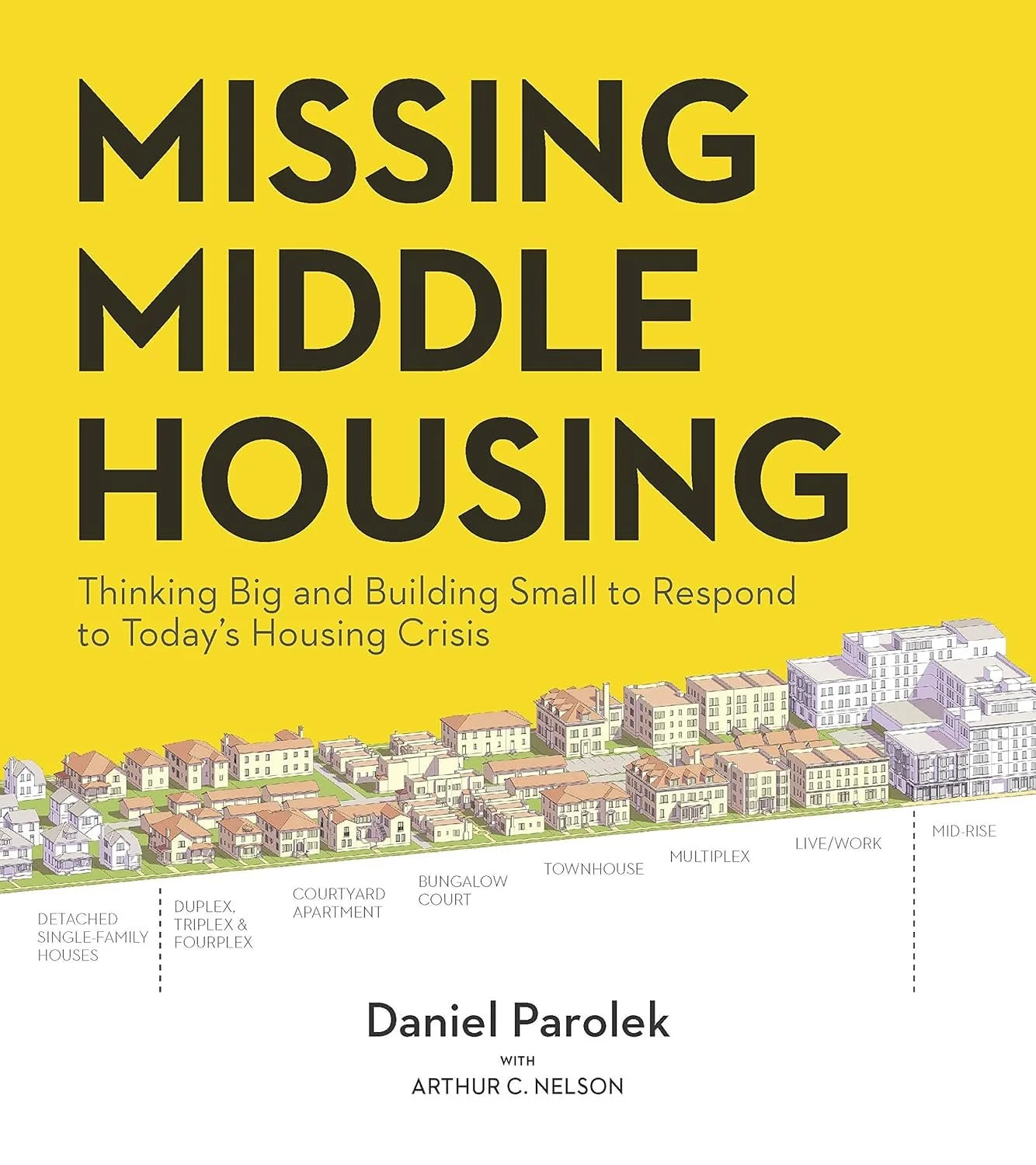
Parolek, Daniel and Arthur C Nelson. Missing Middle Housing: Thinking Big and Building Small to Respond to Today’s Housing Crisis. Washington, D.C.: Island Press, 2020.
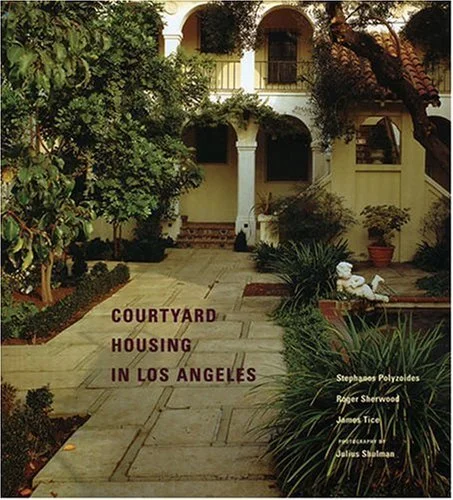
Polyzoides, Stefanos, and Roger Sherwood, James Tice. Courtyard Housing in Los Angeles: A Typological Analysis. New York: Princeton Architectural Press, 1992.
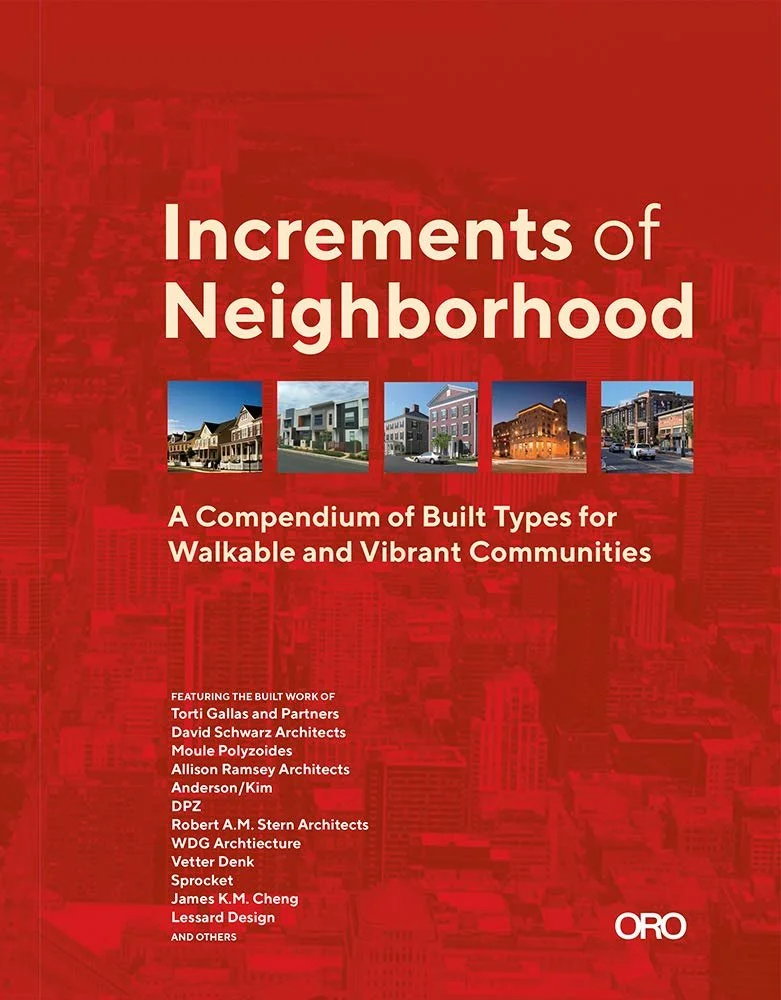
O’Looney, Brian. Increments of Neighborhood: A Compendium of Built Types for Walkable and Vibrant Communities. ORO Editions, 2020.
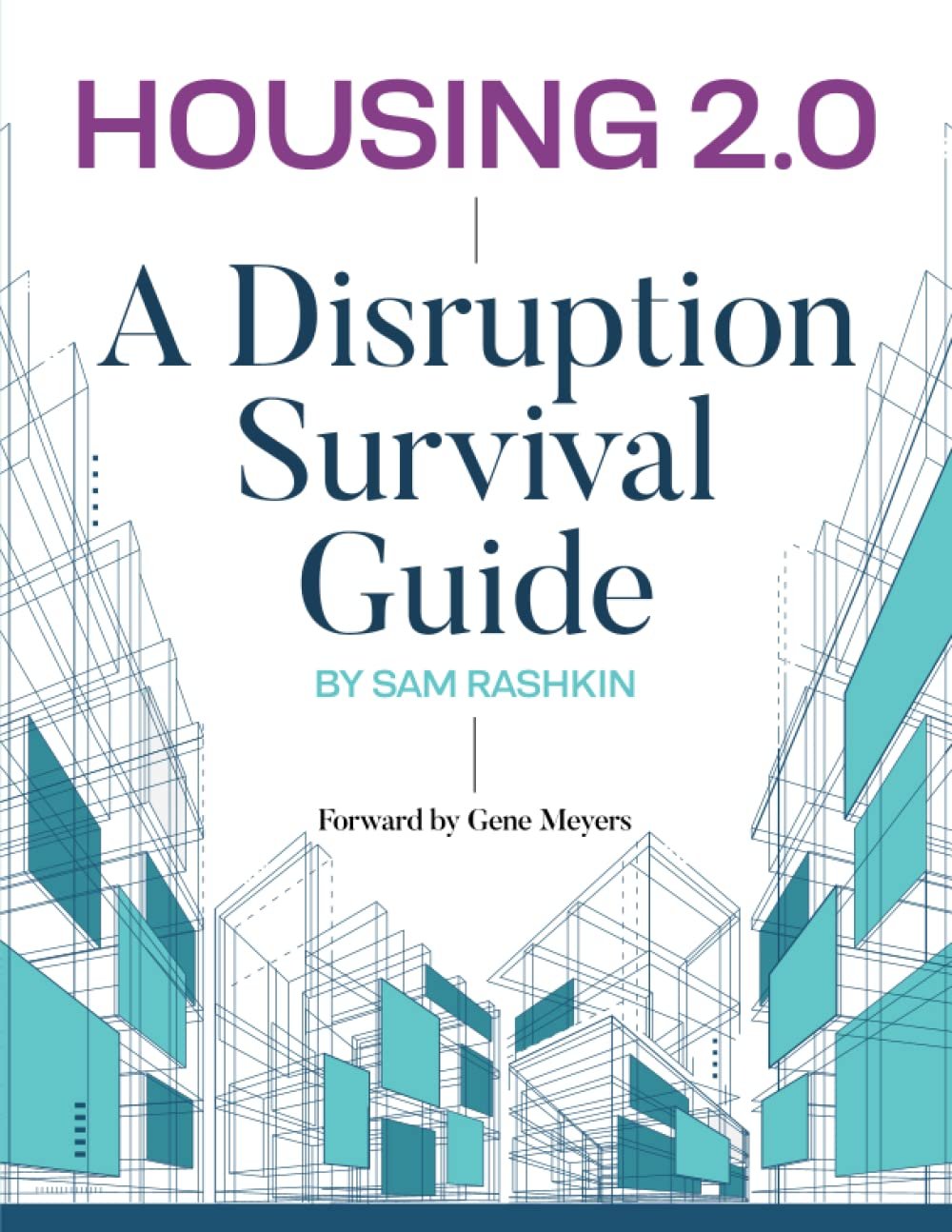
Rashkin, Sam. Housing 2.0: A Disruption Survival Guide. Lake City: Green Builder Media, 2021.
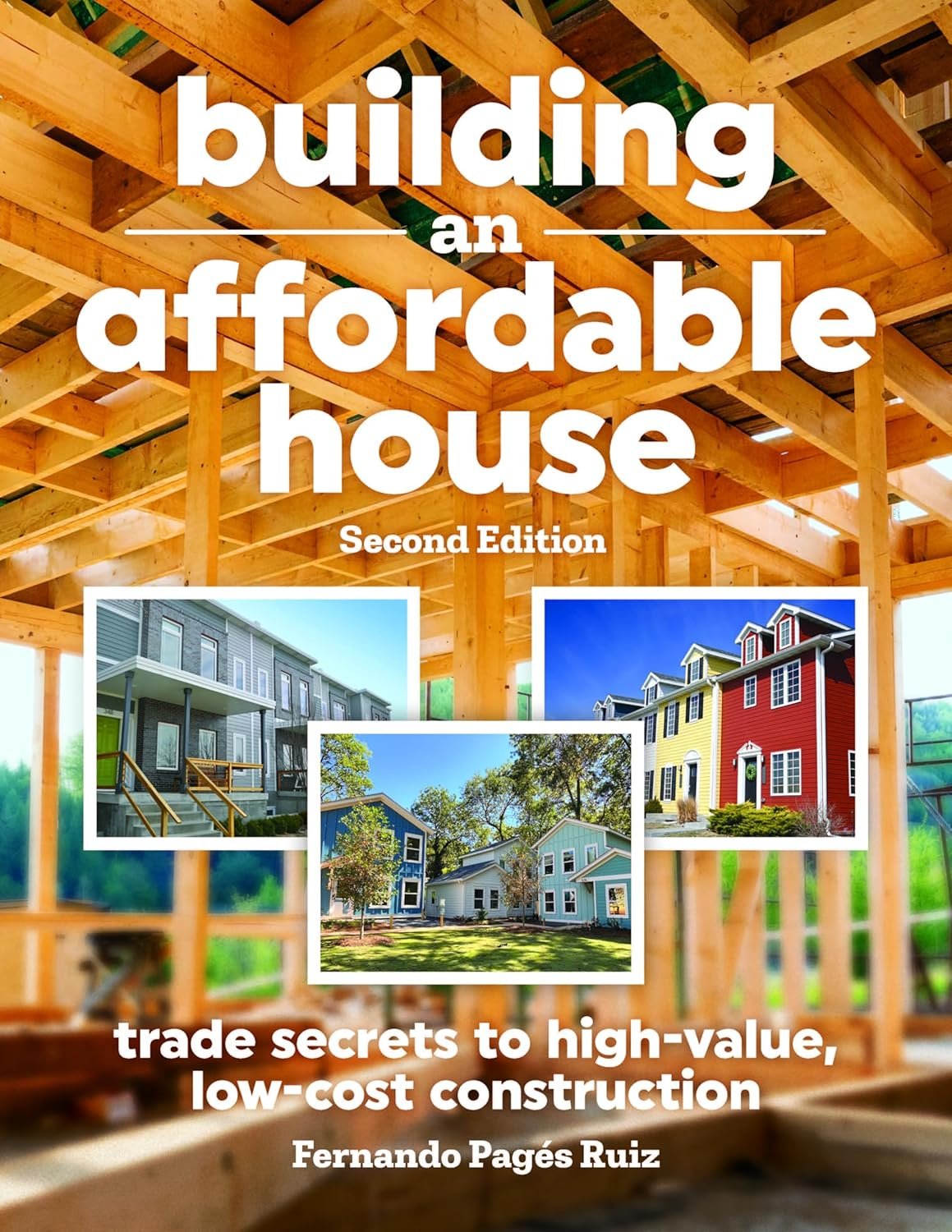
Ruiz, Fernando Pages. Building an Affordable House: Second Edition. Newtown: The Taunton Press, 2024.
Sidewalks, Paths, Streets, and Roads
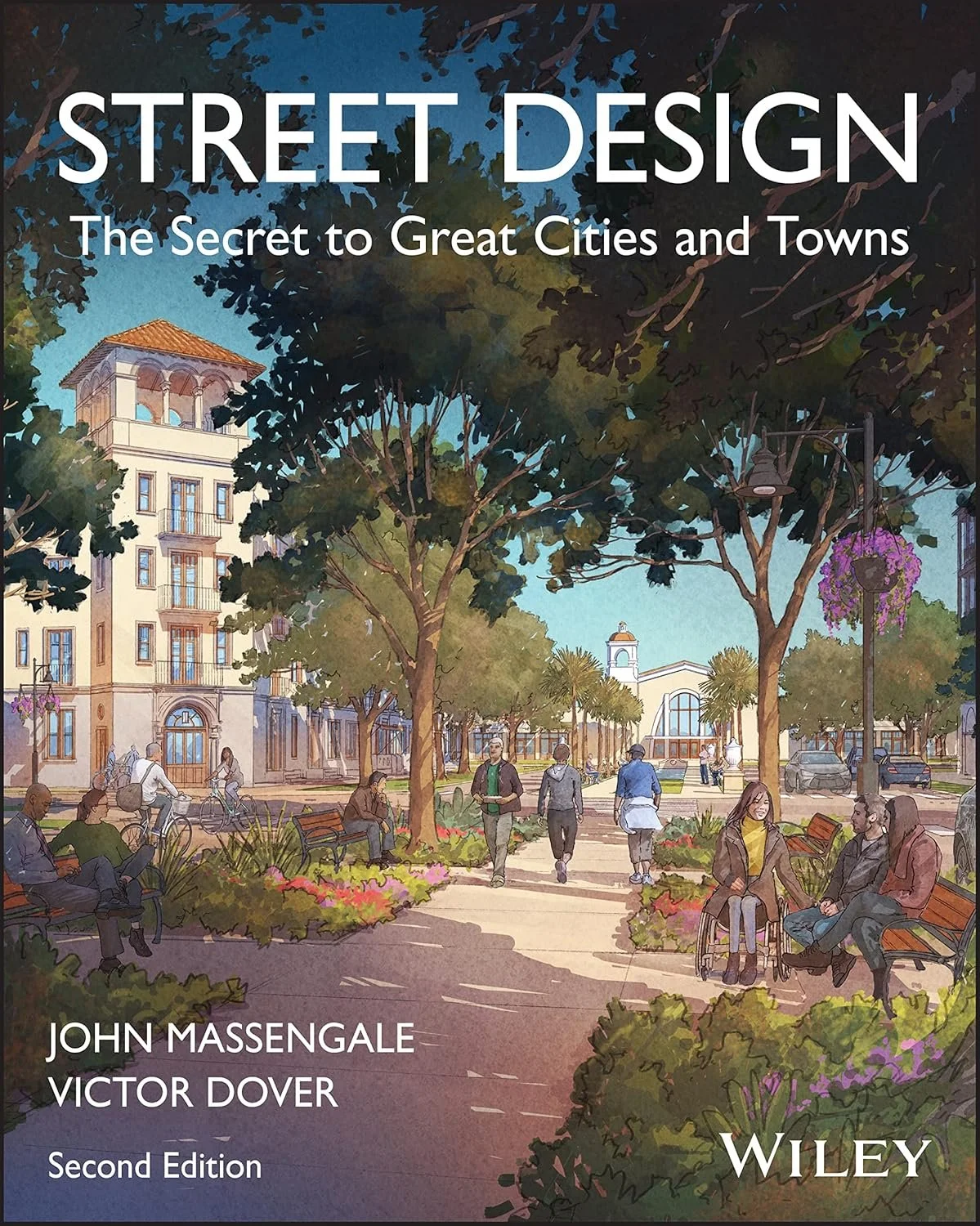

Dover, Victor, and John Massengale. Street Design: The Secret to Great Cities and Towns. Hoboken: Wiley, 2014.
Jacobs, Allan B. Great Streets.Cambridge: The MIT Press, 1995.
Marohn, Charles L, Jr. Confessions of a Recovering (Traffic) Engineer: Transportation for a Strong Town. Hoboken: John Wiley & Sons, Inc., 2021.
Sadik-Khan, Janette, and Seth Solomonow. Street Fight: Handbook for an Urban Resolution. New York: Viking, 2013.
Speck, Jeff. Walkable City Rules: 101 Steps to Making Better Places. Washington: Island Press, 2018.
Frequently Asked Questions

-
We aim to forge a collection of welcoming communities in the rolling hills of San Jacinto County just north of Houston—expansive ranches and old-fashioned, walkable towns nestled into the productive fields, forests, and natural landmarks of the area’s uniquely attractive landscape.
Our vision at San Jacinto Ranch is to build beautiful places, and the scale of our large landholdings means we can plan things out in a way that just isn’t possible otherwise. Our goal is to spend the next few generations creating vibrant, walkable, real communities amidst wonderful landscapes with great homes and jobs for hard-working people. Our ideal of old-fashioned towns also means that we are able to dedicate 60 percent of the overall land for cattle, agriculture, silviculture, natural preserves, and other open spaces.
We are passionate about the region’s rich natural landscapes and preserving our deep agrarian heritage to promote a higher quality of life. We hope to create some of the most beautiful and admired places in Texas.
-
What makes San Jacinto Ranch unique is we “start with the land” and our large land holdings mean we can dedicate 60 percent of our acreage to productive agriculture, open plazas, public spaces, and natural conservation. The remaining 40 percent of San Jacinto Ranch will be transformed into walkable towns, villages, hamlets and commercial areas, with high-quality infrastructure. We recognize that people today want the health benefits, recreational opportunities, sense of community, and well-being that come with living in a beautiful natural environment.
-
San Jacinto Ranch is a family affair. Greg Alexander and his daughter Josie work with a team of accomplished industry leaders in forestry, conservation, architecture, and town planning. We are a group of passionate people who love to learn and want to create beautiful places for people to live. We all start with the land, love the outdoors, and have a dream of helping our favorite areas embrace the change and handle the growth that is coming without losing their compelling rural character.
-
San Jacinto Ranch’s landholdings total over 60,000 acres in the region. We have worked hard first to study, visit, and understand – and then to acquire and reassemble – numerous historic forestry tracts in San Jacinto County that had been divided up and sold off over generations. Scale is the key to countering the region-wide tendency toward sprawl in terms of widening roads, strip centers, parking lots, and traffic lights. Without scale, it’s nearly impossible to protect the rural character of a place and to preserve ranches, farms, and forests.
-
To us, “walkability” should mean how easily people can get to useful destinations by foot, if they want to. Walkable places usually mean more walking and less driving—walking to school, church, work, and so on. Walkable usually means more friends in the neighborhood and a stronger sense of belonging and satisfaction. Within our communities, we will work hard to make it easy to get around whether by walking, biking, golf carts or other such conveyances, including horses.
-
Greg has been collecting well-located timberland for over 20 years. After decades of driving around the American South—watching forests, orange groves, and grasslands be replaced with ever-widening roads, strip centers, parking lots and traffic lights—he developed an idea for a completely different way of handling growth. There had to be a way to create vibrant, walkable places to live that align with nature and avoid the endless sprawl. Since then, he has assembled a world-class team with deep experience designing and building beautiful places in Texas and around the country. For example, we are collaborating with Dream Golf/Sandborn on Old Shores in Florida, including a walkable Scottish-style village. Check out our Team page for more information.
-
No. San Jacinto Ranch will be an accessible collection of beautiful towns and communities set among the rolling hills of San Jacinto County. We are planning and designing for a broad range of Texans in all phases of life and also hope that folks will come from all over to experience San Jacinto Ranch.
-
Our dream at San Jacinto Ranch is to create amenity-rich towns with convenient access to nature and enjoyable activities that tie our communities together. Picture late afternoon walks and bike rides along miles of tree-canopied trails, horseback rides through active timberlands or natural forests, growing fresh produce and flowers in community gardens, a Saturday fun-run or competitive marathon, dirt biking with friends, holiday parades, hunting, fishing, concerts, and much more. Our landholdings and core commitment to preserve so much forest and green space offer endless opportunities — and we can’t wait for our residents to add to the list.
-
No! San Jacinto Ranch is just over an hour from downtown Houston and 45 minutes from George Bush Intercontinental Airport (IAH) and The Woodlands. San Jacinto Ranch can offer a new way of life away from the sprawl and endless traffic, a weekend getaway, a day trip to enjoy the beauty of the rolling hills, a boat ride on massive Lake Livingston, or a sunset dinner overlooking the hills and lake.
-
No. Please see the rest of this website, which describes who we are, our vision, and what we aim to accomplish.
-
No.
-
We are inspired by many places in Texas! These include the Heights in Houston; the Historic Pearl in San Antonio; the Fort Worth Stockyards; the Strand in Galveston; Gruene dance hall; the fascinating natural landscape of the Hill Country; Wimberley, Round Top, New Braunfels; and historic main streets in many places from Nacogdoches to Conroe to Coldspring.
Partner With UsIf you have an idea for a project that fits with our long-term vision for beautiful, walkable towns, productive landscapes, thriving businesses, and high-quality infrastructure, our team would love to hear from you. We are happy to work with qualified groups to discuss development opportunities, identify suitable sites, and support corporate, residential, commercial, civic, hospitality, and mixed-use projects.
To learn more about available sites, development opportunities, ranching, farming, or real estate development services at San Jacinto Ranch, please contact our team below.
Development InquiryDevelopment Opportunities at San Jacinto Ranch
Contact Us
Contact us or join our community below.
San Jacinto Ranch Office 7860 FM 222 Loop S, Coldspring, TX 77331
Phone 936-247-2303
Join our community for news and updates